Analyzing the Decline of Labor Share Post-COVID: Trends and Insights
The U.S. labor share has hit historic lows post-COVID, indicating that economic growth is not benefiting workers as much as capital. This analysis explores the...

Latest stories
The U.S. labor share has hit historic lows post-COVID, indicating that economic growth is not benefiting workers as much as capital. This analysis explores the...

Emerging markets demonstrated greater resilience than predicted during the U.S. monetary tightening of 2022-23, with vulnerabilities impacting financial and gro...
The aging of U.S. Treasury securities significantly reduces their liquidity and trading volumes, with notable shifts in market dynamics as they transition off-t...
The overnight drift in U.S. equity returns has diminished since 2021, challenging earlier patterns and highlighting changes in market dynamics.
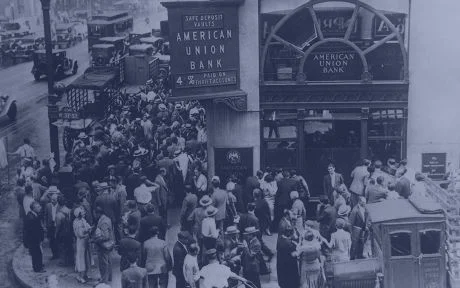
Researchers unveil a groundbreaking database utilizing AI to catalog over 3,000 bank run episodes in U.S. history, revealing critical insights into financial in...
A comprehensive analysis of over 3,000 historical bank runs reveals that weak fundamentals, rather than small external shocks, largely drive bank failures and e...
Nearly half of U.S. companies paying tariffs plan to increase prices further, indicating ongoing inflationary pressures stemming from trade policy shifts.
In 2025, U.S. small businesses faced significant challenges from tariffs, leading to increased costs and pessimistic outlooks for employment and revenue.
This article investigates the significant role of nonbank subsidiaries within Bank Holding Companies (BHCs) and how their structure presents opportunities for r...
Basel III's capital requirements prompt bank holding companies to shift equity from nonbank subsidiaries to meet regulatory standards, affecting their internal...
This article examines how the reallocation of capital in bank holding companies, particularly from nonbank subsidiaries, impacts financial stability and risk ma...
The stablecoin market has reflected significant growth and adaptation, particularly in response to external shocks such as the Silicon Valley Bank failure.
Monetary policy decisions are increasingly influenced by bond investors' perceptions of R-Star, revealing underlying uncertainties within economic indicators.
Research from the Federal Reserve explores AI's evolving impact on labor markets, highlighting skill shifts instead of job losses and the implications for hirin...
A significant decline in renter mobility and expectations of homeownership signals broader challenges in the housing market and mortgage affordability.
An in-depth look at trading in STRIPs, examining volumes, trends, and market dynamics within the U.S. Treasury securities landscape.
This analysis explores how monetary policy surprises affect equity risk premia and dividend growth expectations, using new models to dissect these relationships...
Rising stock market participation has muted household consumption and investment responses to interest rate changes, reflecting new dynamics in economic risk ex...
Recent surveys highlight the rapid increase in AI adoption among businesses, focusing on retraining workers rather than reducing jobs.
The dollar's share in global reserves has fallen from 64% in 2015 to 56% in 2025, but this shift primarily reflects actions by a few large reserve holders rathe...