Side A · Liner notes
Impact of Tariffs on Small Business Operations and Future Outlook in 2025
Banking · Words by Will Aarons and Asani Sarkar · Released
In 2025, U.S. small businesses faced significant challenges from tariffs, leading to increased costs and pessimistic outlooks for employment and revenue.
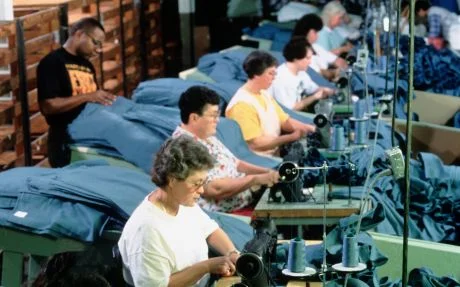
In 2025, tariffs imposed on imported goods have had a pronounced impact on U.S. small businesses, leaving many to navigate challenging financial landscapes. According to findings from the Small Business Credit Survey (SBCS), a significant proportion of small firms reported experiencing financial difficulties tied to higher tariff costs. The data highlights that firms operating in the goods and retail sectors were particularly hard hit, with regional firms in New York, New Jersey, and Connecticut experiencing even harsher effects.
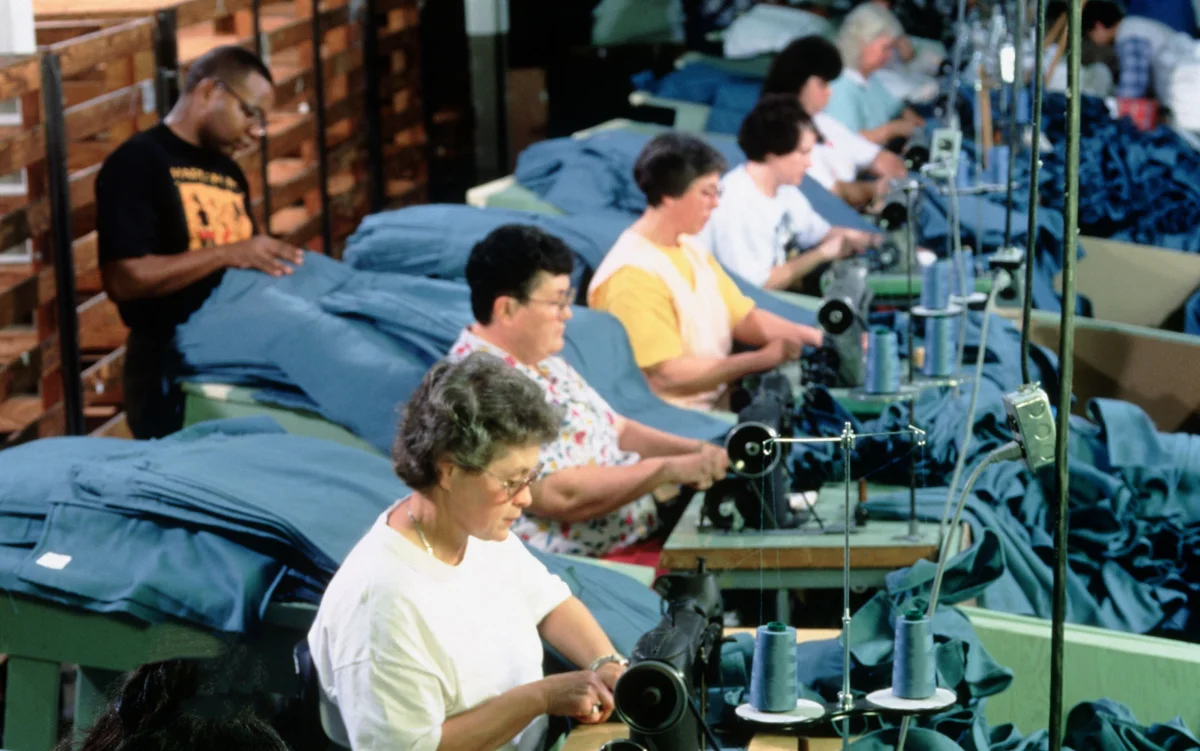
Tariff-Induced Financial Challenges
The survey shows that over 55 percent of national firms in goods and retail sectors reported financial challenges due to increased costs from tariffs. Regionally, these figures are higher, with 62 percent of goods firms and 72 percent of retail firms reflecting similar sentiments. The effect is less pronounced in the services sector, which reported 34 percent dealing with tariff-related costs. A clear trend emerges: businesses in goods and retail sectors frequently reported concerns linked to both tariff and general inflation pressures.
Notably, about 80 percent of surveyed firms acknowledged passing on these elevated costs to customers, while around 60 percent absorbed some expenses internally, indicating a dual approach to managing profit margins. The research shows varying patterns in cost absorption, with approximately 36 percent of goods firms and 43 percent of retail firms opting to use a combination of both strategies.

Insights into Imported Input Costs
A critical aspect of the tariff conversations is the relationship between tariffs and the prices of imported inputs. The SBCS revealed that approximately 80 percent of firms nationally reported increases in their imported input expenses in 2025 compared to the previous year. Regression analyses supported a strong correlation between reporting tariff-related challenges and experiencing elevated prices for imported goods, while broad inflation concerns lacked a similar association.
This significant price increase in imported goods disproportionately impacted small firms, which, despite contributing to only a minor fraction of overall exports, heavily rely on imported inputs. In fact, among SBCS respondents, around 70 percent of goods firms and 80 percent of retail firms noted utilizing foreign-sourced inputs, contrasting sharply with about 40 percent of service-oriented businesses.

Business Responses and Cost Management Strategies
In light of escalating input costs, businesses employed various strategies to mitigate impacts. About 80 percent of firms in the goods and retail sectors passed along some cost increases to their customers, while 60 percent absorbed parts of the tariff-induced expenses. However, a significant finding was that older and more profitable firms were generally more capable of passing on costs rather than absorbing them, highlighting disparities in resilience among small businesses based on their tenure and profitability.
This predicament illustrates the precarious situation of younger or less profitable small businesses, which typically possess fewer resources to absorb hikes in costs from imported materials. Some firms opted for additional strategies, such as adjusting supplier relationships or shifting production schedules, to navigate this tumultuous environment.
Negative Impact on Employment and Growth Projections
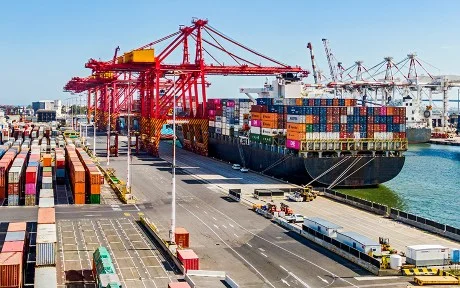
Pessimism about the future appears widespread among small businesses, with many firms expressing concerns about potential declines in revenue and employment in 2026. Survey results indicate that national firms encountering tariff-related costs were notably less likely to predict growth in either revenue or staffing levels, further exacerbating the precarious economic outlook following the tariff disturbances.
Research also indicated that previous tariff announcements had a substantial impact on stock prices, with negative effects translating into decreased profits and productivity in subsequent years. This aligns with current findings in which small businesses revealed distinctively pessimistic revenue projections, especially in the export markets, where businesses expected declines rather than growth.

Conclusion: Navigating a Tariff-Laden Environment
The ramifications of tariffs significantly challenge small businesses across numerous sectors. The evidence from the 2025 SBCS underscores that small firms have predominantly adopted cost-passing strategies to cope with their increasing input prices, reflecting their vulnerabilities in competitive markets. Furthermore, the prevailing atmosphere of uncertainty driven by tariff effects has led to diminished expectations around job creation and growth prospects in 2026.
For small businesses, understanding these influences is crucial as they position themselves in an evolving economic landscape. Monitoring ongoing developments regarding tariffs and preparations to adapt to changing input costs will be essential for survival and success in an uncertain future.

Will Aarons is a research analyst in the Federal Reserve Bank of New York’s Research and Statistics Group.

Asani Sarkar is a financial research advisor in the Federal Reserve Bank of New York’s Research and Statistics Group.


