Side A · Liner notes
Analyzing the Decline of the Overnight Drift in U.S. Equity Futures
Markets · Words by Nina Boyarchenko, Lars C. Larsen, and Paul Whelan · Released
The overnight drift in U.S. equity returns has diminished since 2021, challenging earlier patterns and highlighting changes in market dynamics.
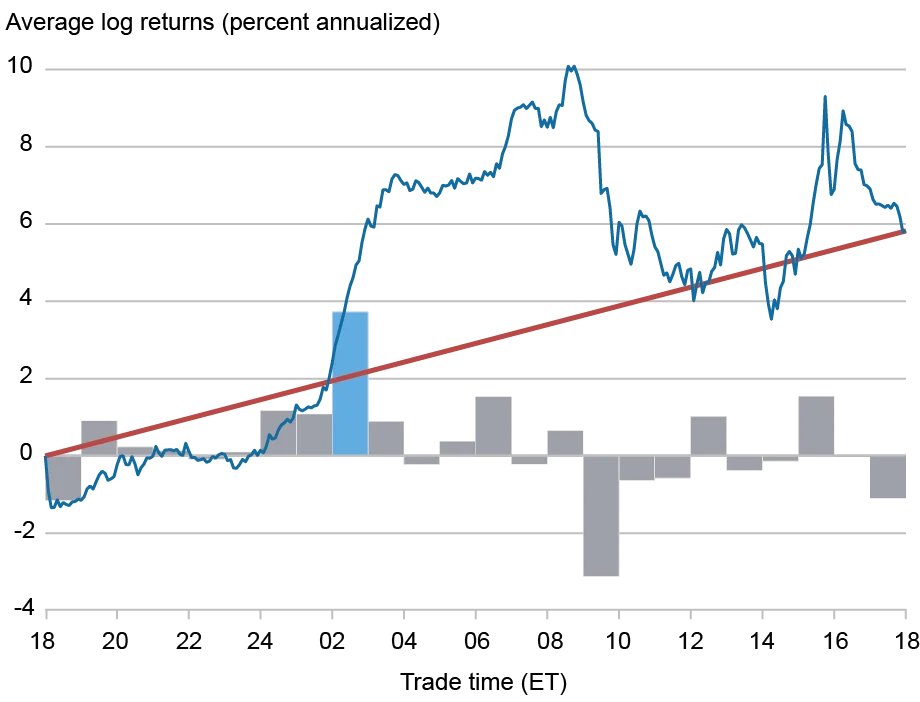
In a comprehensive analysis of U.S. equity futures, Nina Boyarchenko, Lars C. Larsen, and Paul Whelan highlight a significant shift in the overnight drift phenomenon. Originally documented in a 2021 post by Liberty Street Economics, the overnight drift represented a lucrative return opportunity for liquidity providers (LPs) during the narrow time window between 2:00 and 3:00 a.m. Eastern Time, coinciding with the opening of European equity markets. Data from the subsequent five years, however, indicates that this pattern has faded, with the once-average annual return of approximately 3.7 percent now trending toward zero.
Understanding the Overnight Drift Mechanism
Before this decline, liquidity providers were thought to earn compensation through the absorbing of residual buying and selling pressure as the U.S. trading day closed. When institutional flows heavily favored one side near market close, LPs would take on the residual inventory, which inherently carried risks due to the thin overnight markets. As overseas investors entered the market a few hours later, this imbalance typically reversed, allowing LPs to recoup their earlier discounts as prices adjusted upward. This dynamic fundamentally illustrated why the overnight drift existed.
The work of Boyarchenko, Larsen, and Whelan encapsulates this in the equation:
E[RON] = (dollar order imbalance)t × (return variance)t ×
(risk-bearing capacity)−1.
This formulation indicates that the expected overnight return is influenced by three observable channels: closing order imbalances, levels of return variance, and the risk-bearing capacity of liquidity providers. Any significant change in these parameters could undermine the existence of the drift.
Comparative Analysis of Historic Data
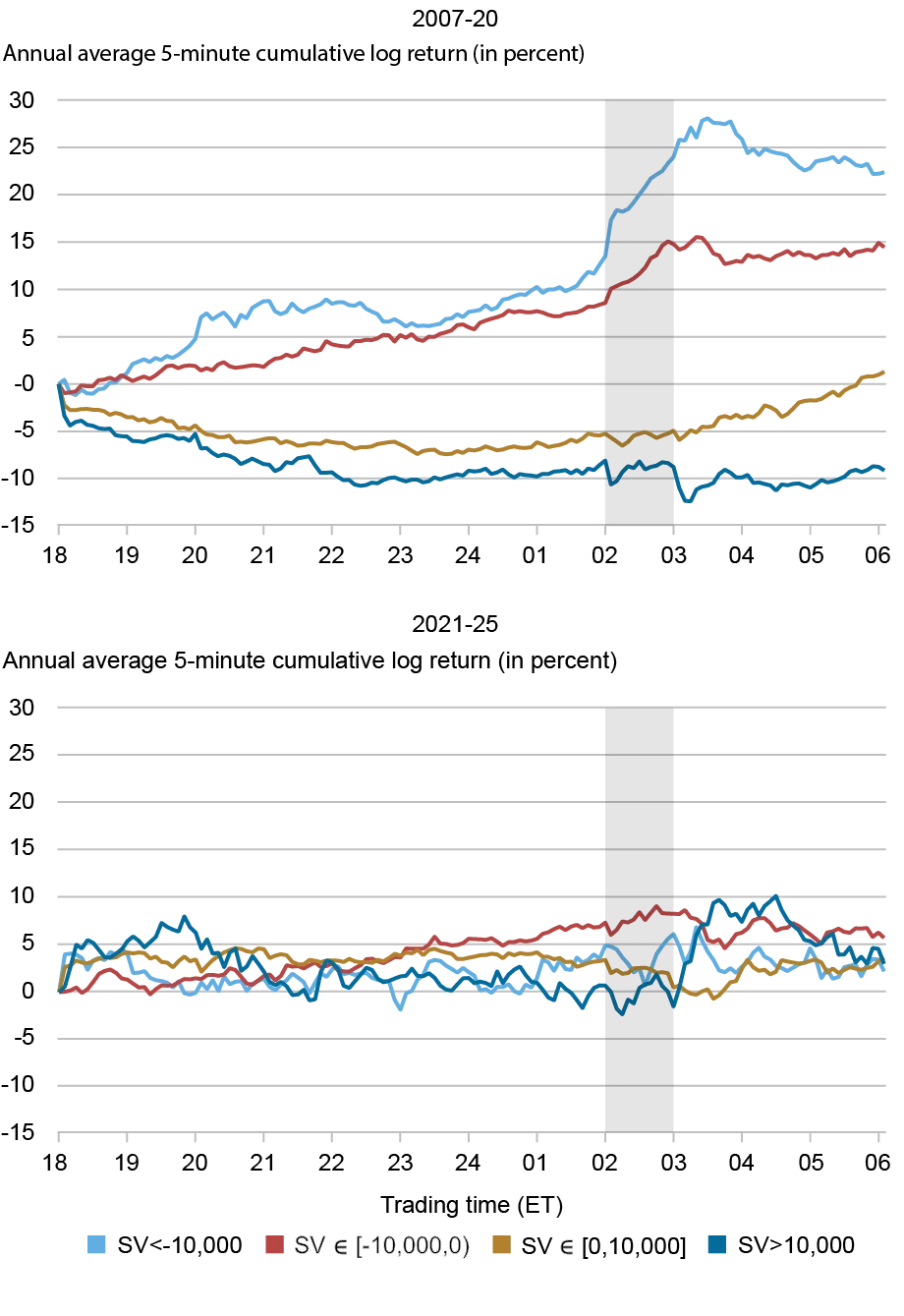
The authors revisit this concept through data from 1998-2020, which illustrated a pronounced uptick in cumulative returns during the critical hour prior to European market opens. This pattern strongly indicated that over 60 percent of the annualized returns for contracts such as the S&P 500 E-mini futures derived from this specific time window.
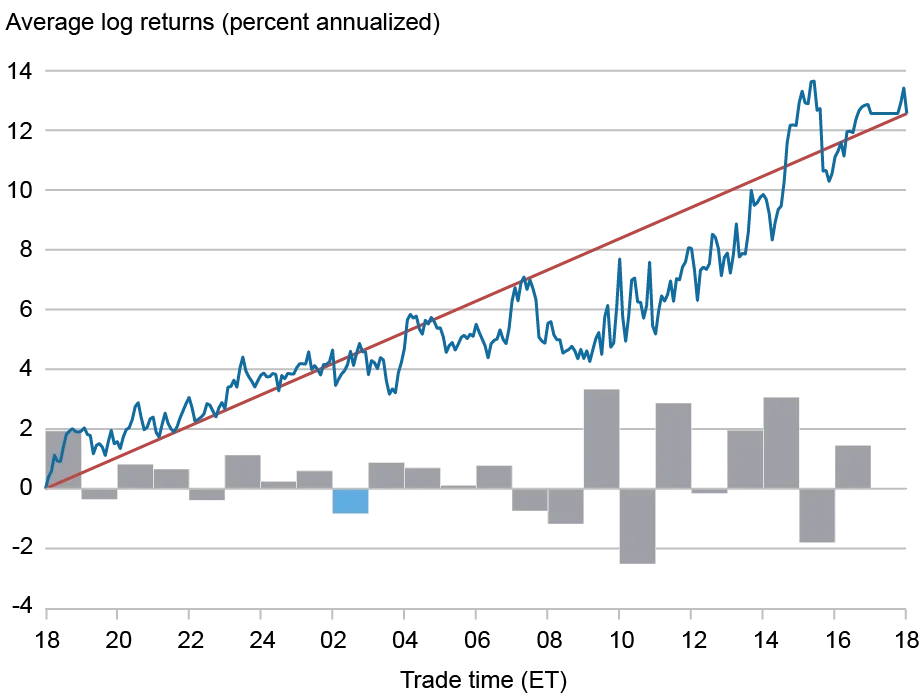
However, contrasting data from January 2021 to December 2025 reveal a stark deviation. The expected returns in the same 2:00-3:00 a.m. bracket appear flat. This change is also reflected across other E-mini contracts, such as the Nasdaq-100 and Dow Jones.
An instance that captures this trend was the June 2022 launch of two ETFs by NightShares aimed at profiting from overnight equity performance. The prospectus cited principles related to the inventory-risk mechanism but both funds were shuttered after merely 14 months, suggesting not only a weak overnight drift but also possible high expenses associated with the ETFs.
Examining the Reasons Behind the Drift's Decline
To comprehend the reasons behind the decline in the overnight drift, the authors analyze the three pivotal channels identified earlier.
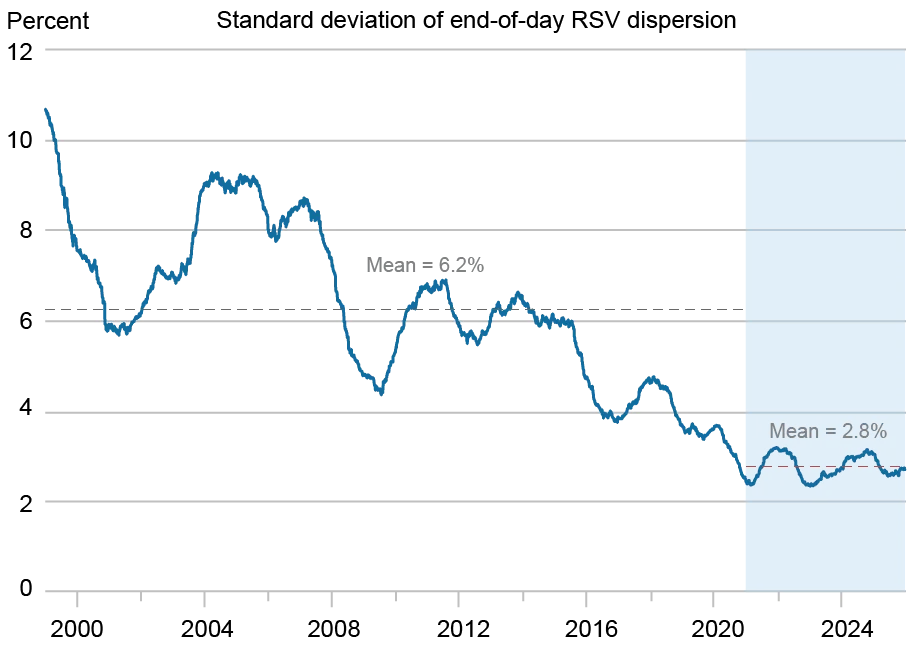
First, the relative signed volume (RSV) during the last hour of trading—a measure of the balance of buying and selling pressure—has markedly decreased. Historical data indicates that the standard deviation of end-of-day RSV dropped from 6.5 percent to 2.9 percent since the original sample. This reduction signifies a notable scarcity of extreme closing imbalances, which were pivotal in influencing overnight pricing and typically facilitated the overnight drift.
The second channel, return volatility, has remained relatively consistent. The VIX, a common measure of market volatility, saw only a slight reduction, with mean values falling moderately from 20.4 to 19.4. Furthermore, overnight liquidity metrics also suggest stability, as the share of total E-mini volume traded during the overnight period has increased marginally, from 15 percent to 16 percent.

Implications of the Findings
The analysis leads to the conclusion that the marked decline in the overnight drift is primarily attributed to narrowed order imbalance dispersions while volatility and liquidity conditions have shown only modest changes. Notably, a consideration of limit orders indicates a trend towards smaller orders since 2021, reflecting a shift in behavior among liquidity providers who have adapted their strategies, likely dialing back on the residual inventory carried into the overnight period.
The authors present a falsifiable prediction emerging from their framework: should the dispersion in order imbalances return to pre-2020 levels, the overnight drift may reemerge as previously observed around the 2:00-3:00 a.m. time window.

As financial markets evolve, these insights not only serve to demystify the fading overnight drift but also prompt further investigation into the changing dynamics of liquidity provision and market behavior. Observers may need to keep an eye on future trends in order imbalances as an indicator of any resurrection of the overnight drift phenomenon.
In essence, this reassessment underscores that financial conditions are not static; changes in trading patterns, market behavior, and liquidity provisioning can have fundamental implications for trading strategies reliant on historical pricing phenomena.
Author Information: Nina Boyarchenko is an advisor with the Federal Reserve Bank of New York, Lars C. Larsen serves as an assistant professor at Copenhagen Business School, and Paul Whelan is an associate professor at CUHK Business School.


