Side A · Liner notes
New DOT Regulations Tighten Refund Eligibility for Flight Delays
Banking · Words by Rachael Green · Released
Starting October 19, new DOT regulations reduce the number of circumstances under which passengers can claim refunds for flight delays, altering traveler rights significantly.

Starting October 19, the Department of Transportation (DOT) is implementing a new rule that alters the definition of what constitutes an "air carrier delay." While it may seem like a minor adjustment, this change will significantly affect passenger rights regarding refunds for disruptions during air travel.
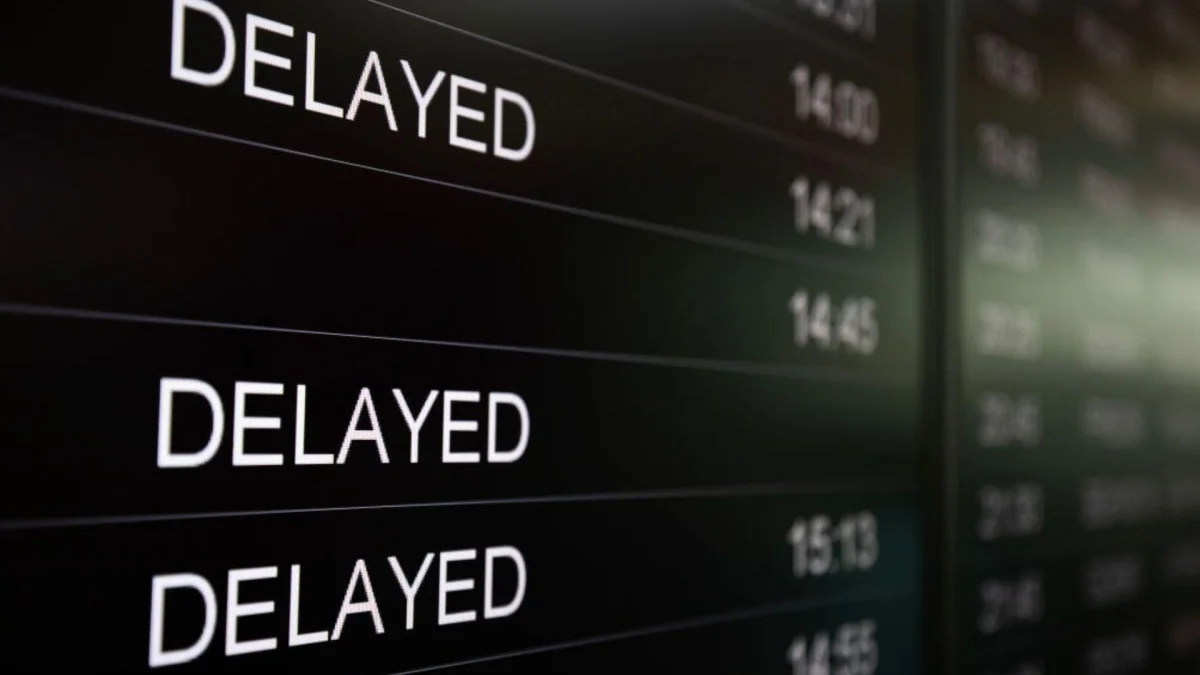
Central to this change is how airlines categorize delays. Airlines are mandated to report their on-time performance to the Bureau of Transportation Statistics (BTS) monthly, detailing delays, cancellations, and interruptions into specific, predefined categories. One such category is the "air carrier delay," which includes all delays deemed to be within the airline's control. The new ruling, however, will exclude ten specific events from this category, thereby limiting the circumstances under which passengers can seek refunds or compensation.
Exclusions Under New Regulations
With the new rule, the following incidents have been excluded from the "air carrier delay" classification:

- Medical emergencies not caused by the airline
- Removal of unruly passengers
- Airport closures due to volcanic ash or severe weather
- Unscheduled maintenance required before a flight
- Overheated brakes caused during emergencies
- Government shutdowns or systems failures
- Cybersecurity attacks
- Aircraft damage incidents
- Aircraft cleaning after the death of a passenger
- Delays with baggage or cargo loading due to external system outages
These exclusions mean that passengers will now have ten fewer scenarios under which they could claim reimbursement for delays. The DOT explicitly states in the full ruling that, “it is expected that the total value of amenities and compensation currently provided by air carriers to consumers will be reduced under this final rule.” Thus, the intention behind these modifications seems clear: to limit the situations in which travelers can demand refunds or additional support, such as hotel and meal vouchers.
Impact on Passenger Rights
Previously, passengers could expect refunds if their flights were significantly delayed or changed. However, with the revised definitions, travelers are left with a narrower field of situations in which that rule applies. If a flight is delayed due to one of the newly defined exclusions, passengers must now look to the airline's discretion for any potential compensation.

Given the rising costs of air travel, with fares already at a premium, passengers must now be more vigilant when booking flights and understanding their rights under the new regulations. It’s important to recognize how the landscape of passenger rights is shifting, particularly as airfares soar.
Strategies for Protecting Travel Investments
Despite the tougher environment for obtaining refunds, passengers still retain certain rights and can take proactive steps to mitigate risks associated with travel delays:
- Consult the DOT Airline Cancellation and Delay Dashboard: This resource provides an overview of compensation guarantees that various airlines voluntarily offer. It can help you determine which airlines might still provide adequate support in the event of a disruption.
- Opt for Refundable Tickets: Although they tend to be pricier, refundable tickets allow easier access to refunds should a delay or cancellation occur, minimizing hassles regarding eligibility under new rules.
- Check for Trip Delay Coverage: Many credit cards offer trip delay coverage, which is distinct from trip cancellation insurance. This coverage can reimburse travelers for missed expenses due to delays, including accommodations and meals, as well as any prepaid costs.
- Request a Refund Regardless: While the definition of “air carrier delay” is more restrictive now, situations may still arise that fall under airline control. If you're delayed, it doesn't hurt to ask for a refund and leverage any available resources, such as travel insurance.
With the new rule, passengers must sharpen their awareness when it comes to understanding their travel-related rights. By being proactive and informed, travelers can better navigate the complexities of air travel and its inherent uncertainties. Higher ticket prices coupled with reduced protections reinforce the importance of safeguarding investments, enabling travelers to enjoy their journeys with greater peace of mind.
Looking Ahead
The landscape of flight disruptions is evolving, and customers will need to adjust their strategies according to these changes. This isn't just about understanding the DOT regulations; it involves a broader awareness of airline policies and potential consumer protections in a tightening market environment.
In the face of rising airfare and diminished recourse for delays, travelers are encouraged to remain vigilant about their options and protections to ensure that unforeseen disruptions don't derail their travel plans or finances. As more individuals return to flying and demand increases, understanding these new regulations will be critical. Those who wish to travel should familiarize themselves with the latest policies to navigate future journeys effectively.