Side A · Liner notes
Understanding Sudden Wealth Syndrome in Today's Market Landscape
Markets · Words by Michael Batnick · Released
Sudden Wealth Syndrome—a phenomenon impacting those unexpectedly coming into significant wealth—is increasingly prevalent in today's rapidly evolving financial environment.
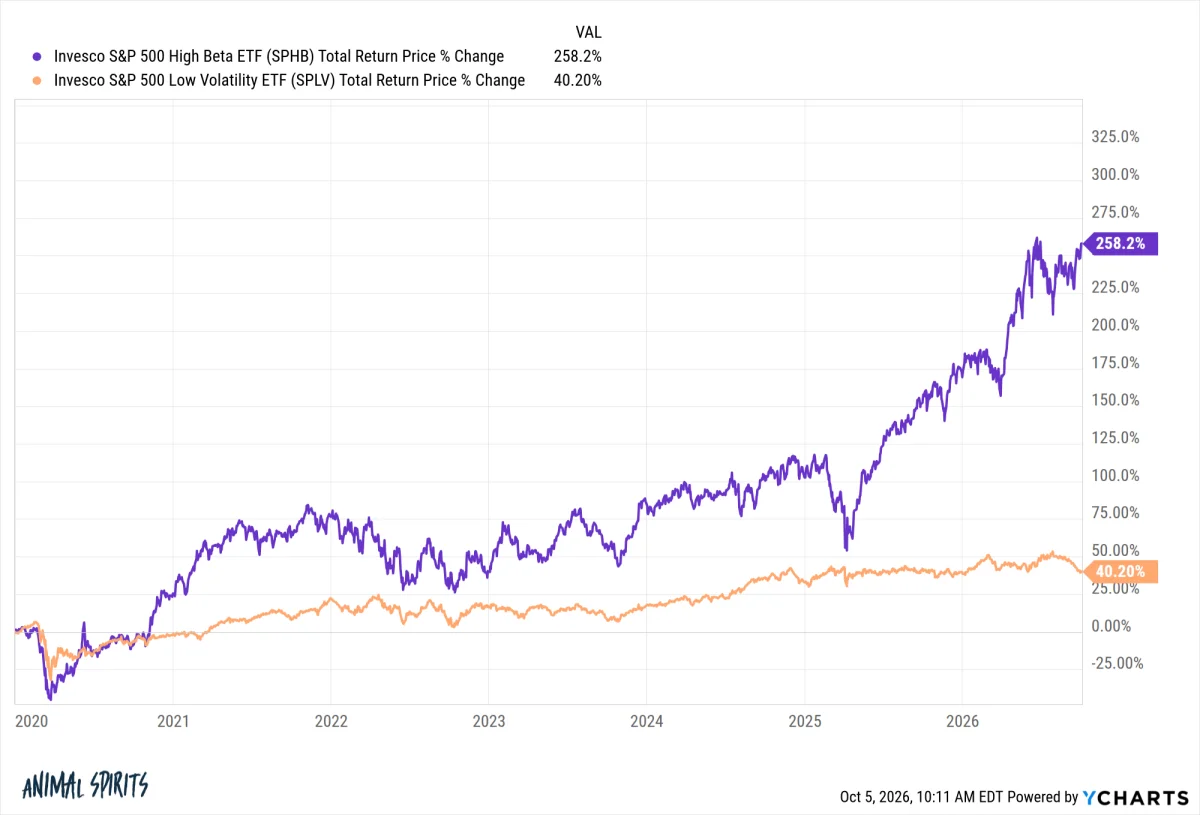
Sudden Wealth Syndrome (SWS) refers to the psychological and emotional challenges faced by individuals who come into a large sum of money unexpectedly. This condition can significantly affect one’s financial behavior, relationships, and overall quality of life. With the rise of substantial payouts in various sectors, particularly tech, due to rapid advancements like artificial intelligence (AI), this issue has gained prominence amongst the newly wealthy. Understanding SWS is critical for investors, founders, and finance professionals navigating a landscape marked by economic volatility and abrupt wealth changes.

Market Context and Recent Trends
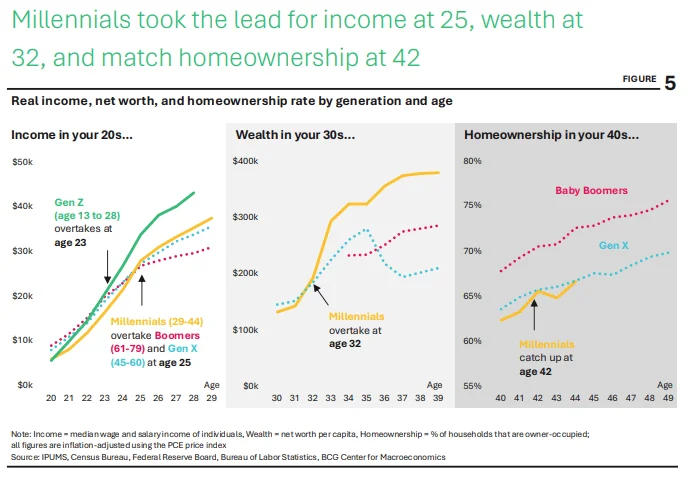
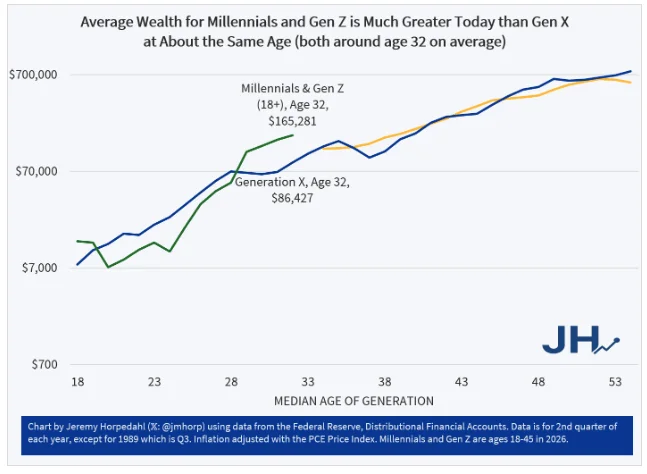
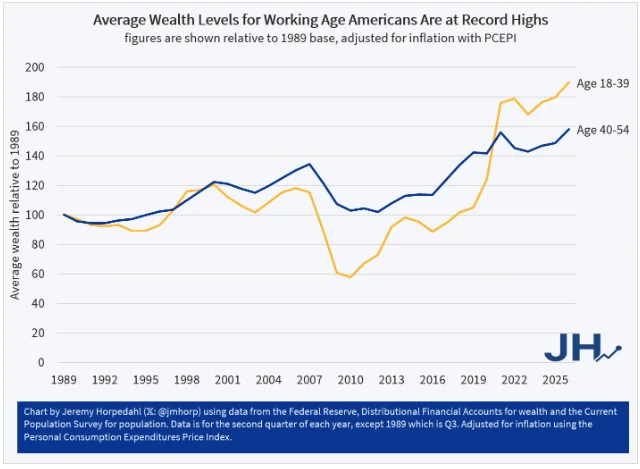
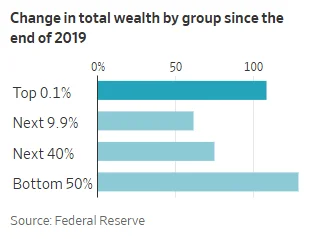
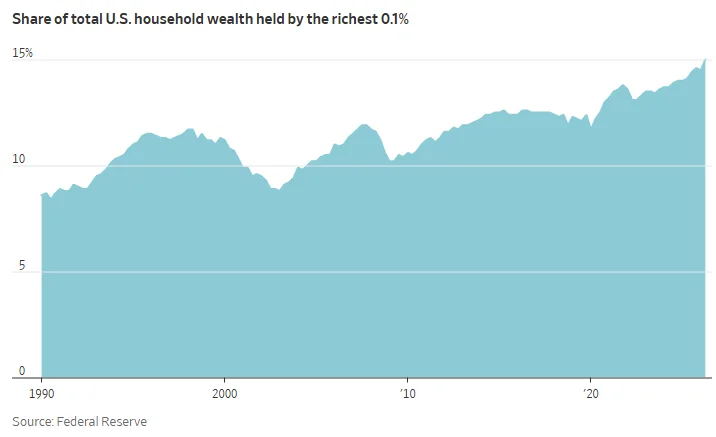
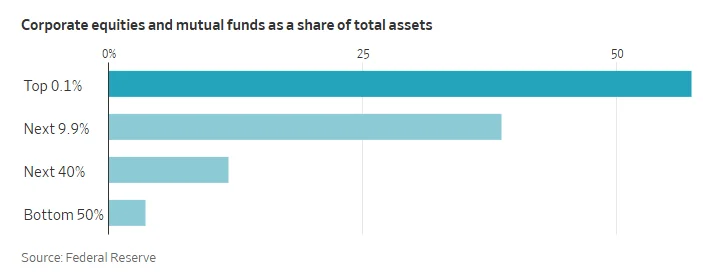
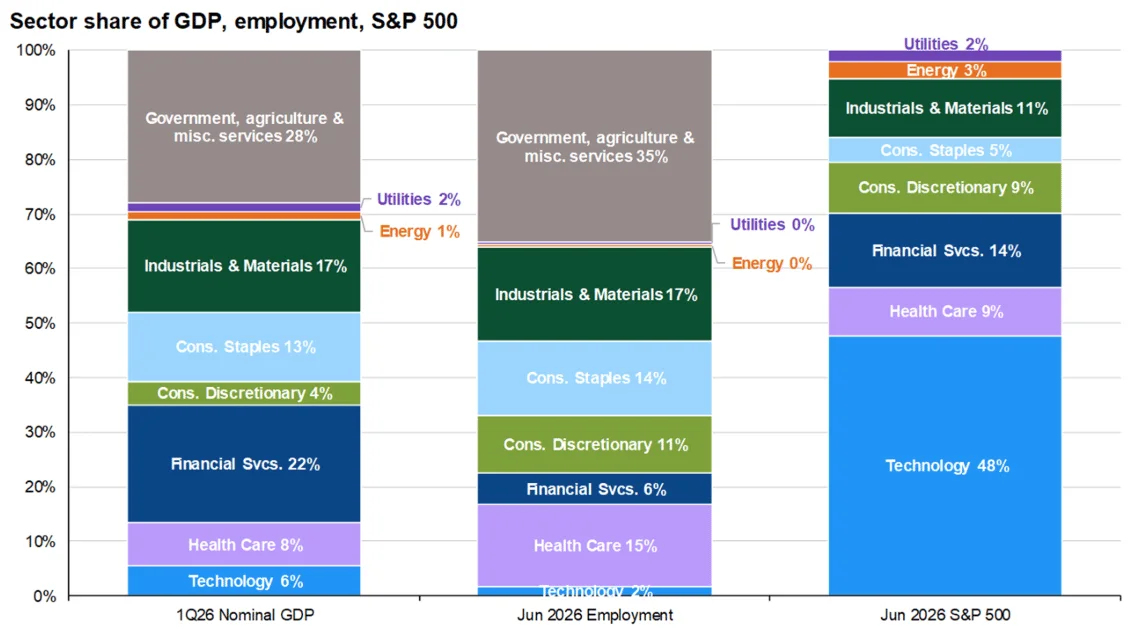
The surge of wealth linked to AI technology advancements has led many professionals to experience SWS. Notably, some newly affluent tech employees have seen their earnings skyrocket due to increased demand for AI skills—a trend highlighted by reports showcasing bonuses that can reach into the millions. According to a Bloomberg article, significant financial rewards have created a striking disparity between the wealthy and those in lower income brackets, with many tech workers suddenly transitioning from middle-class to a status of financial freedom and wealth. Reports indicate that the income gap is widening, implying that the pressure and expectations associated with newfound wealth will impact spending behaviors and investments.

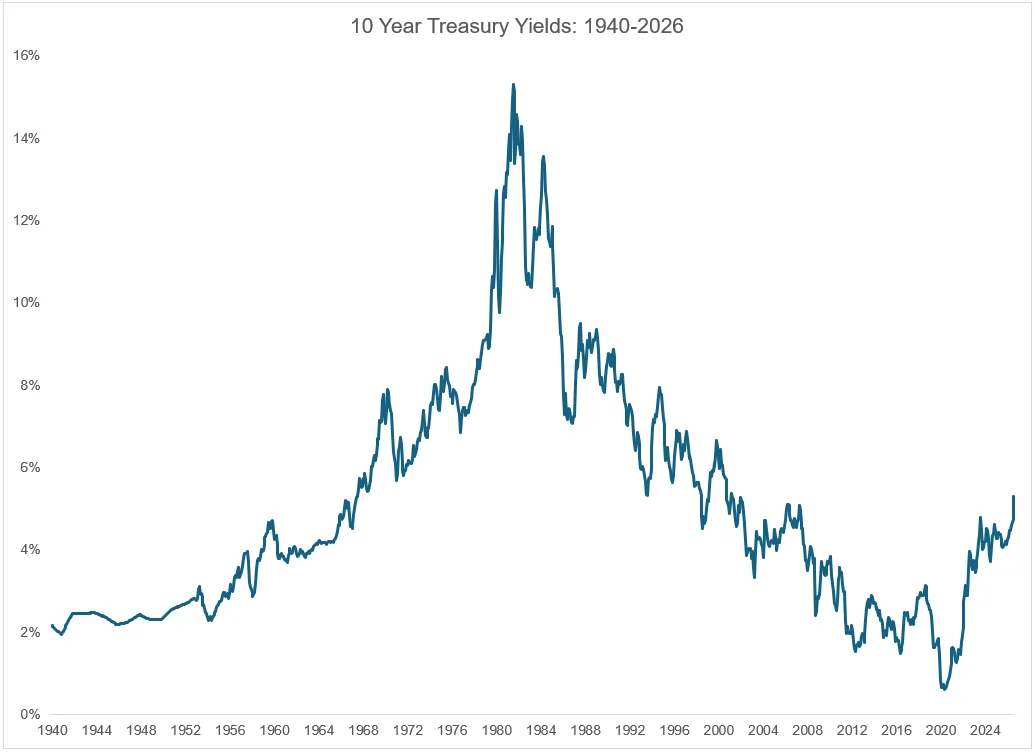
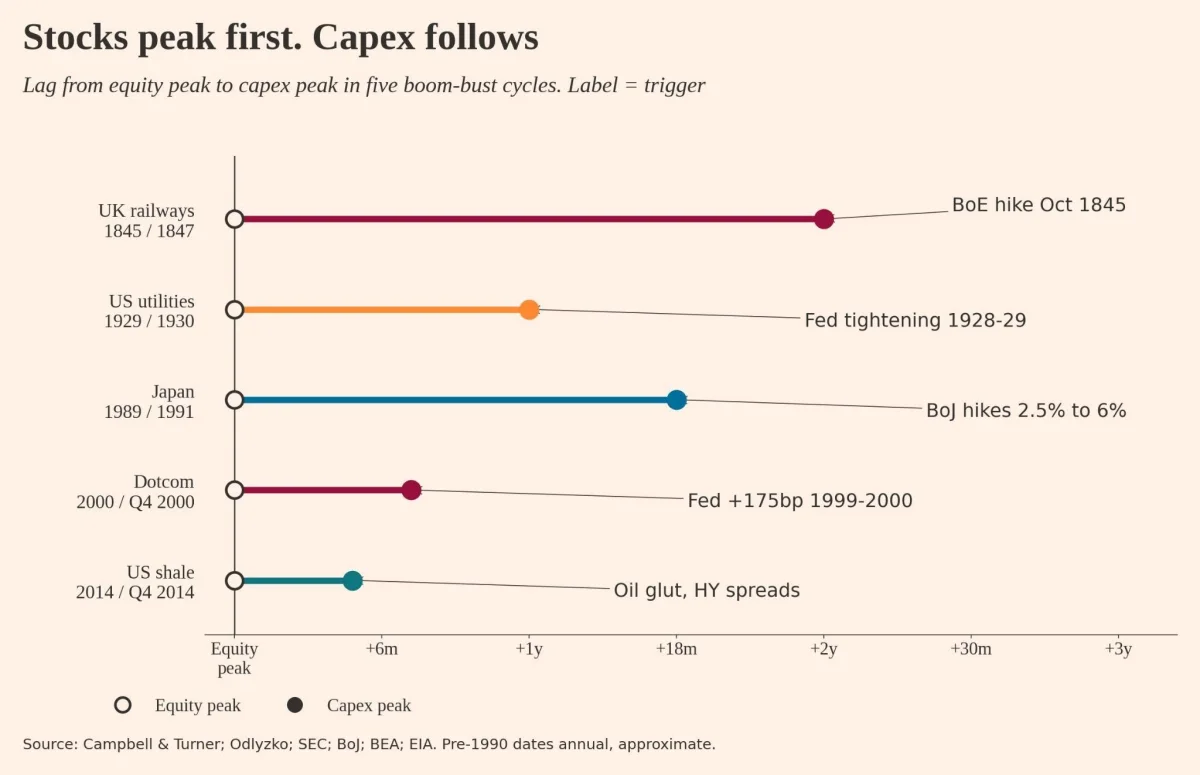
It's estimated that the disparity in wealth has expanded significantly since previous years, and as capital accumulation accelerates among the elite, understanding the psychological impact of sudden wealth becomes essential. Economic factors such as ongoing inflation concerns and rising interest rates can compound these emotions. The Federal Reserve’s tightening monetary policy reflects concerns about unsustainable growth fueled by excess liquidity, generating a sense of urgency for individuals managing new wealth to act decisively while grappling with fear of potential recession.

Psycho-Social Implications of Sudden Wealth
Individuals suffering from SWS may experience a tumultuous emotional journey. Initial euphoria can quickly give way to anxiety, as newfound financial responsibility manifests. This emotional arc may influence decisions around investments, inheritance planning, philanthropy, and even personal relationships. Some individuals report feeling isolated after their wealth changes, leading to stress from differing perceptions and expectations from friends or family.

Research suggests that those with sudden wealth can struggle with identity, as financial status may unintentionally alter personal relationships. Events that evoke social stigma around wealth, such as purchasing luxury items or helping family members, can lead to heightened scrutiny from peers and family, often intensifying feelings of guilt or inadequacy. Experts commonly recommend financial education and counseling to manage this transition effectively, emphasizing the importance of developing a support system and sound financial management plan.
Impacts on Investment Behavior
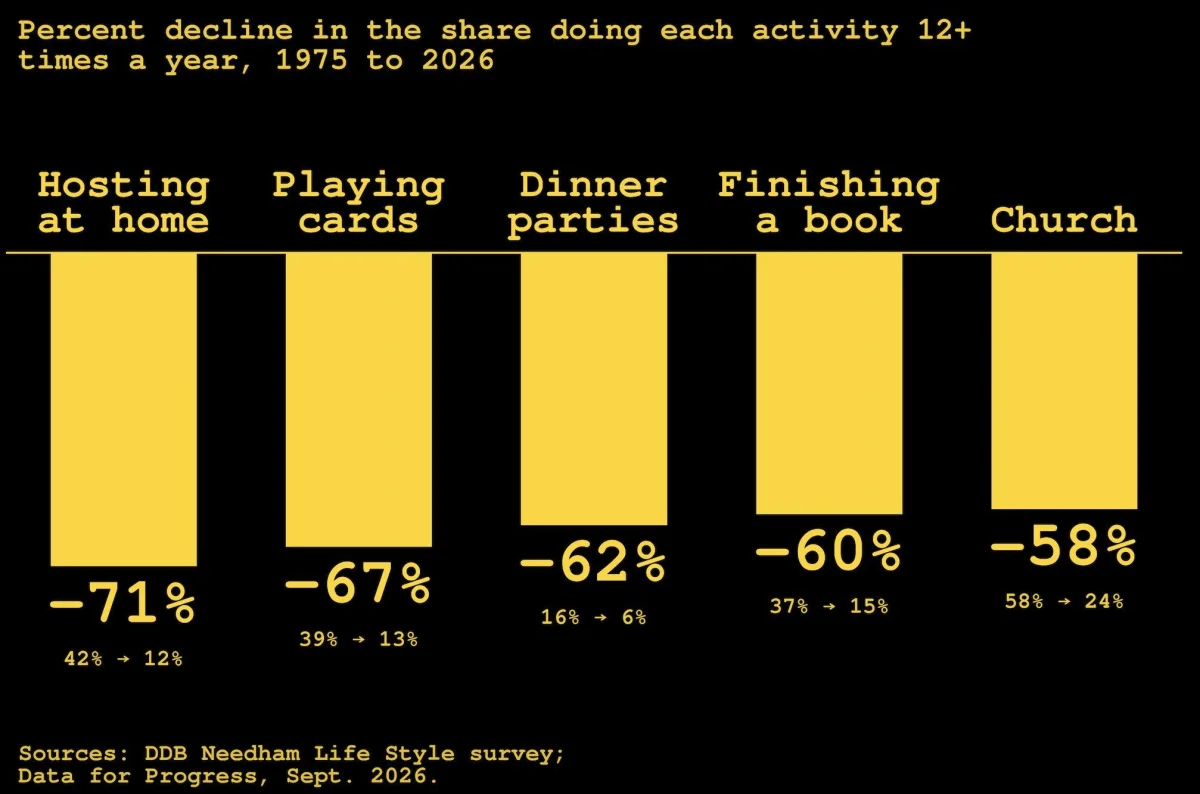
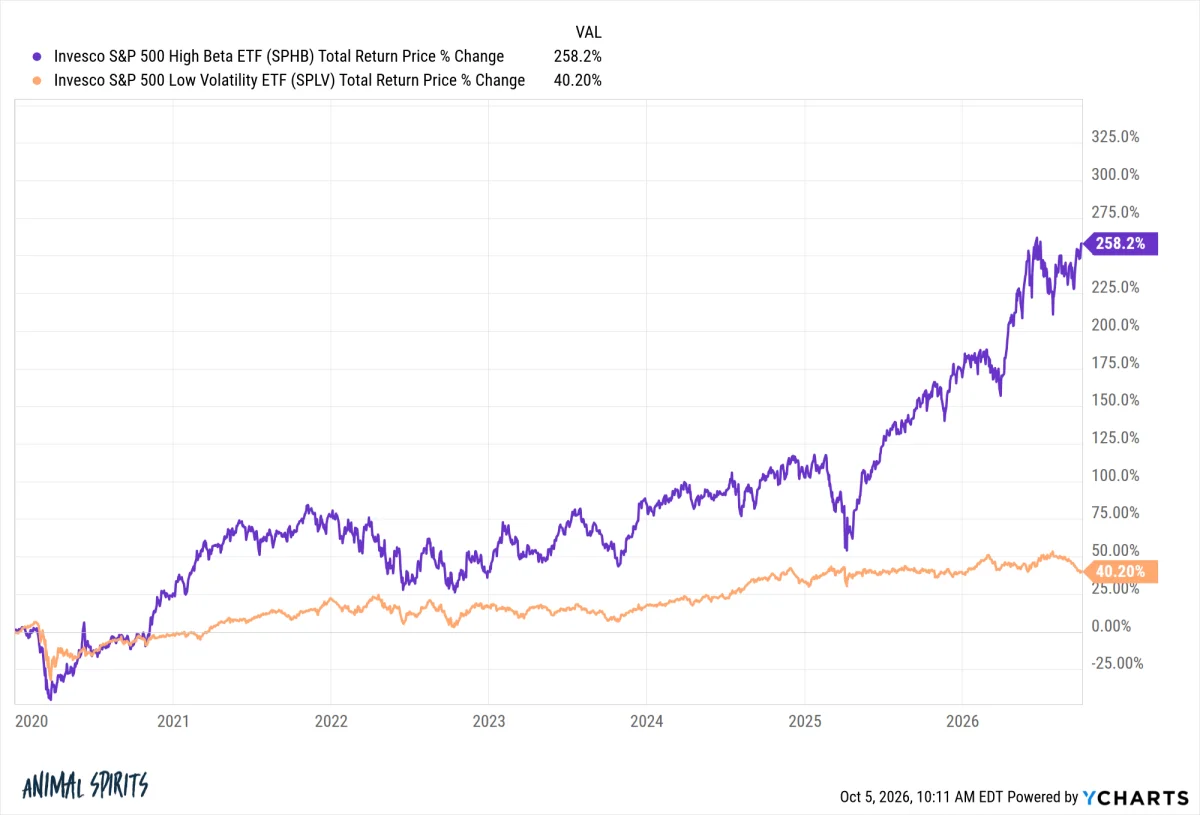
Financial behaviors following an influx of wealth can vary markedly. Some individuals may adopt conservative strategies, avoiding risks in an attempt to protect their newfound status. Others might engage in reckless spending—a psychological response rooted in the perceived impermanence of wealth. A recent report indicated that many influenced by SWS tend to invest prematurely in high-risk ventures without adequate research or a comprehensive understanding of the market landscape.
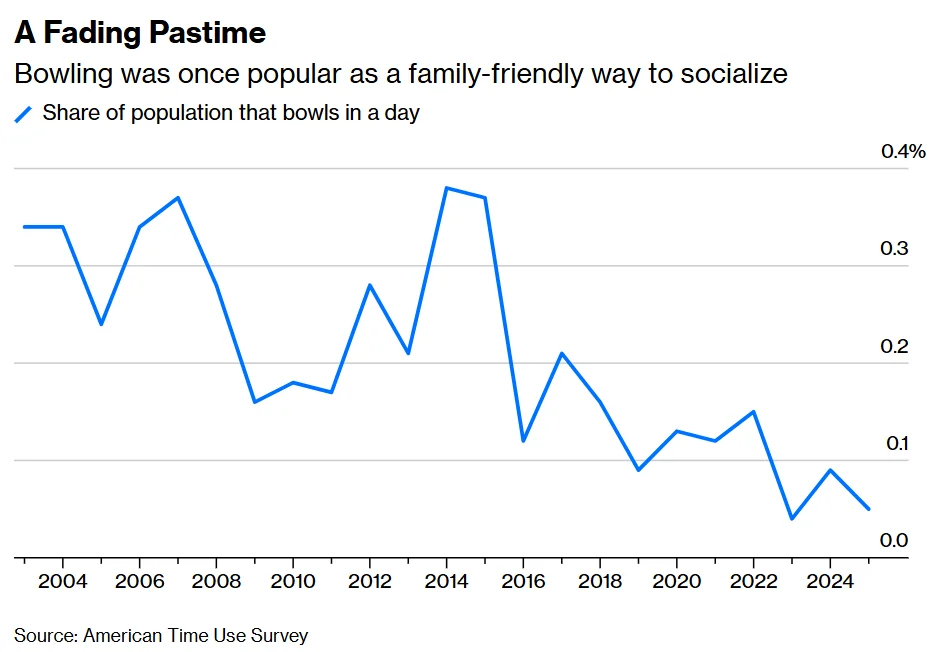
This behavior is particularly visible in the tech space, where many newly affluent are inclined to partake in speculative investments, such as cryptocurrencies or start-ups promising high returns. The Investor Behavior Study highlighted that participants who recently received large financial windfalls exhibited a higher tendency toward impulsive financial decisions, further compounding the risks associated with their financial wellbeing.
Managing Risks and Expectations
Given the uncertainties associated with sudden wealth, having a proactive strategy is crucial. Developing robust financial planning through professional advice can mitigate risks linked with SWS. Individuals are encouraged to establish realistic expectations regarding their financial situation, considering future market volatility and personal risk tolerance. Representing this effort, private wealth management firms are increasingly emphasizing holistic approaches that account for emotional guidance alongside traditional investment strategies.
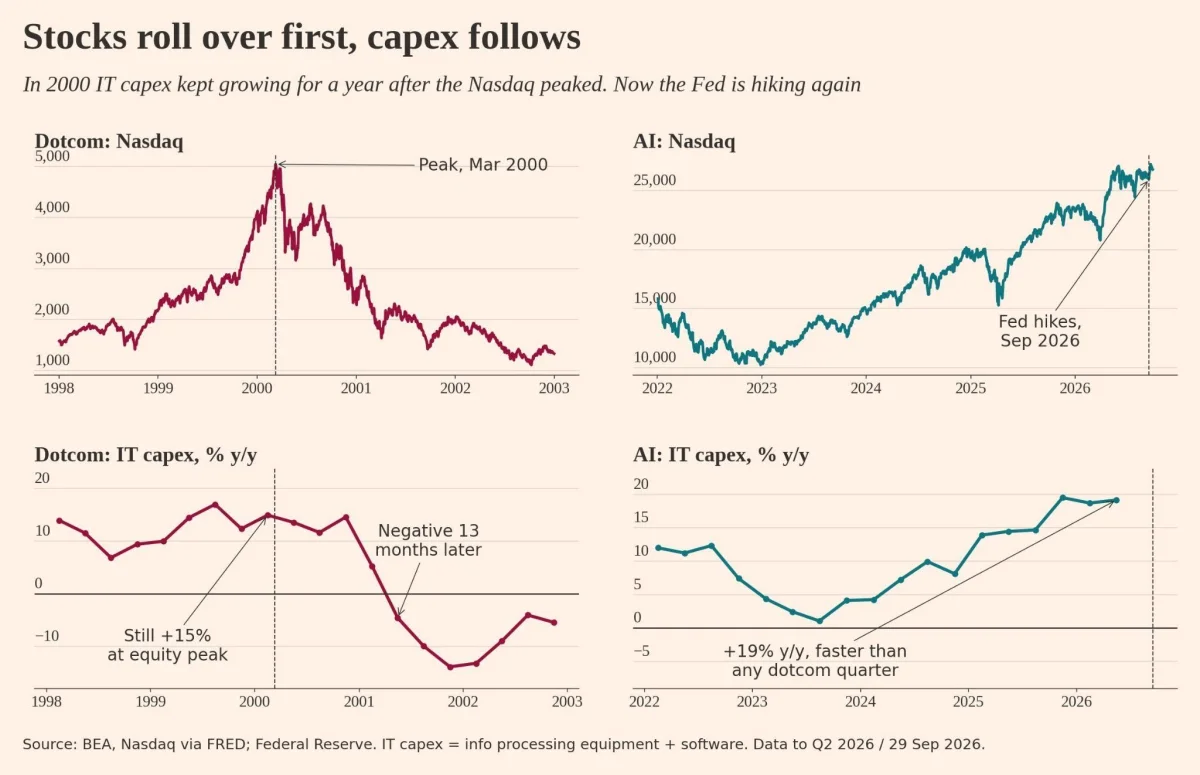
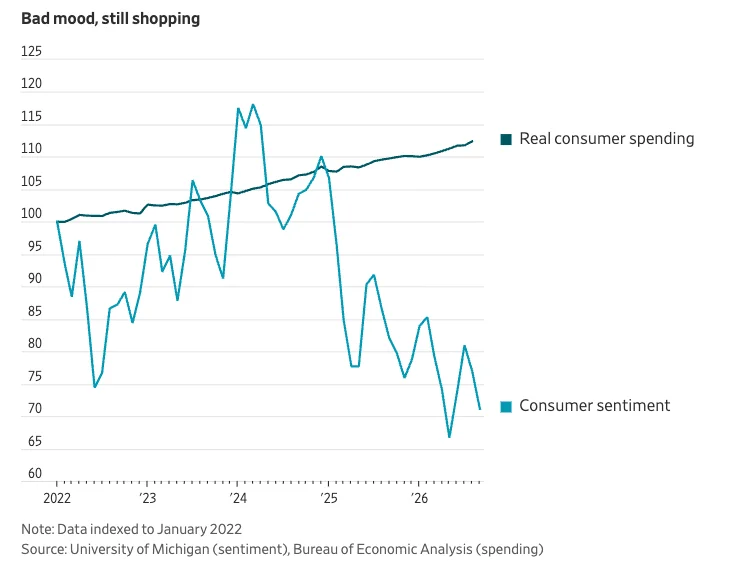
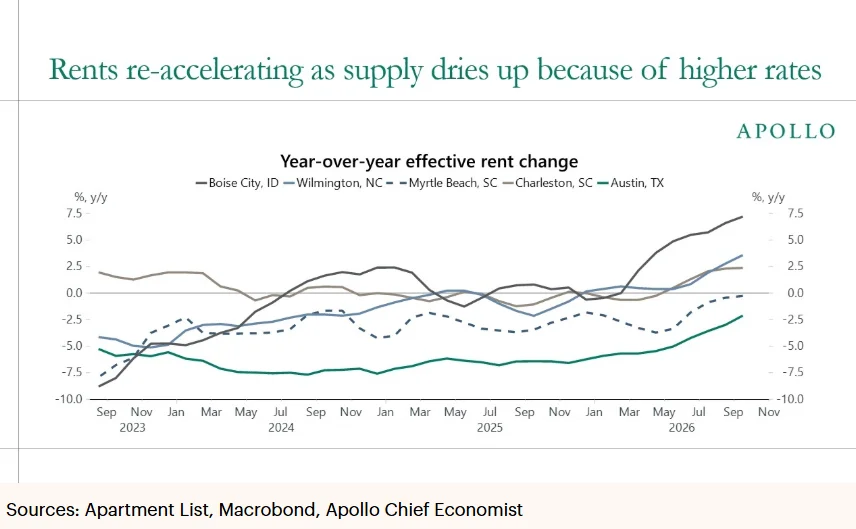
Furthermore, the potential for economic changes induced by interest rate adjustments could directly affect newly affluent individuals. For instance, rising interest rates are known to dampen borrowing, leading potentially to reduced consumer spending—insight that newly wealthy individuals should consider when structuring their financial plans. As such, effective monitoring of macroeconomic indicators will be essential to make informed financial decisions.
Conclusion: The Path Ahead
Sudden Wealth Syndrome presents substantial challenges and opportunities for individuals experiencing significant financial changes. Navigating this complex landscape requires comprehension, education, and a thoughtful approach to both financial and emotional wellbeing. Stakeholders, including investors and financial professionals, must be aware of these aspects to better serve those suddenly encountering wealth, ensuring sound financial health and stability in a turbulent market environment.
As societal norms and economic conditions shift, ongoing discourse around SWS will likely evolve. Those in wealth management and advisory roles should prioritize a personal touch and education tailored to the unique experiences of clients facing this condition, as awareness and dialogue can substantially improve outcomes for those impacted by sudden wealth.