Side A · Liner notes
Rising Interest Rates Reshape Commercial Real Estate Dynamics
Banking · Words by Michael Batnick · Released
Higher interest rates are influencing commercial real estate, shifting investment patterns, creating risk disparities, and prompting refinancing challenges.
As interest rates reach new heights, commercial real estate is undergoing significant transformation. Investors and finance professionals are closely monitoring the shifts in credit markets, the landscape of refinancing, and how these changes are impacting various real estate sectors. This environment reveals an emerging bifurcation between high-quality, prime assets and those that are older and less desirable, creating a complex scenario for stakeholders.

The Shift Toward Real Estate Credit
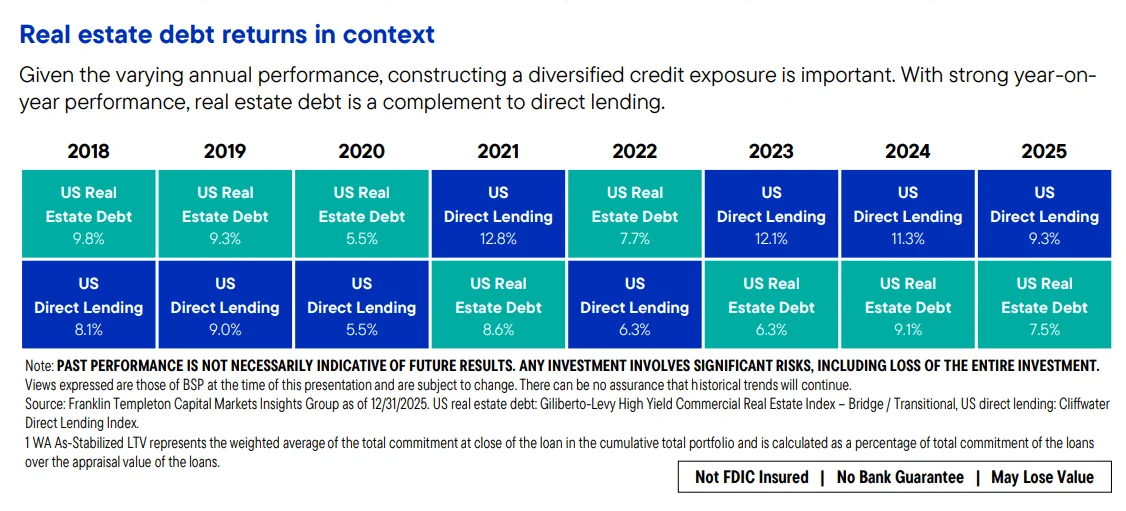
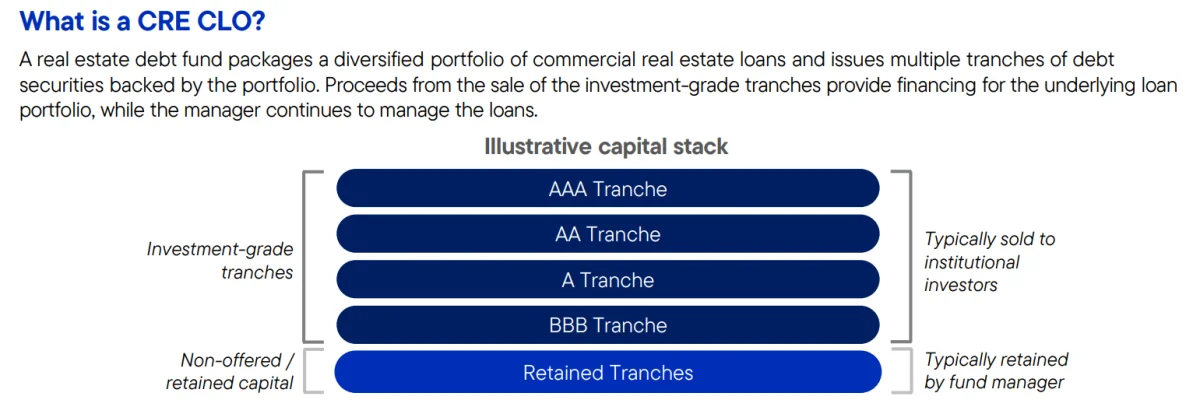
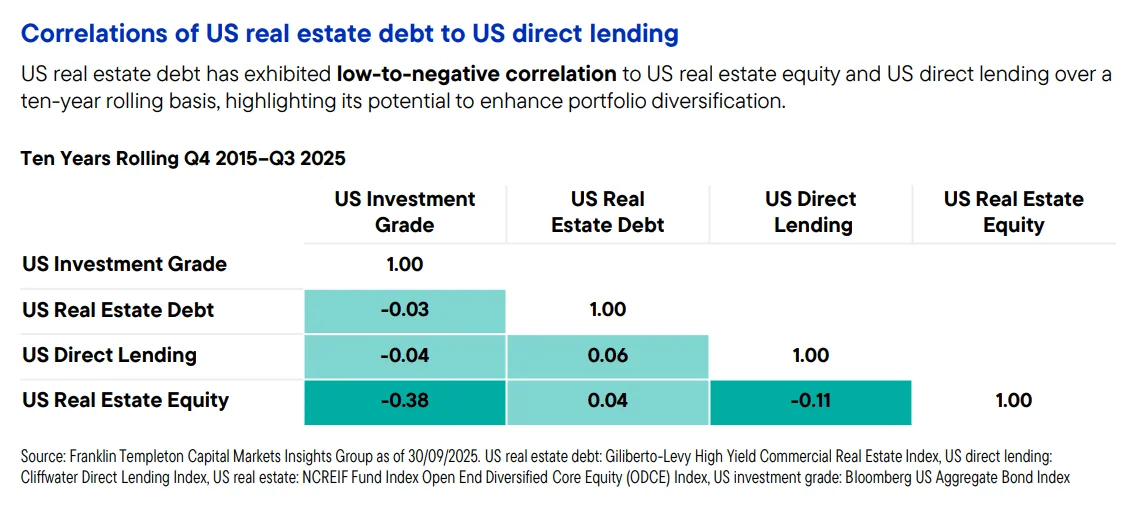
One notable development is the increasing appeal of real estate credit investments relative to equity. The logic here is straightforward: as interest rates rise, equity in real estate ventures can become more volatile and risk-laden. By contrast, credit instruments, particularly those tied to high-quality real estate, offer more stability and reduced risk exposure during periods of economic uncertainty. Investors are recognizing this trend, as evidenced by the capital flowing into real estate debt funds that are robust enough to weather the volatility in equity markets.

Moreover, with the Federal Reserve's monetary policy significantly influencing market rates, entities associated with real estate credit are becoming more attractive. For instance, the rise of two-year U.S. Treasury yields to levels around 4% sets a benchmark that pressures real estate equity investments. Financing costs are rising, which complicates returns on equity investments that can’t adjust quickly enough to mitigate risk.

Refinancing Challenges on the Horizon
The current interest rate environment is also anticipated to lead to a wave of refinancing activities, with many commercial properties facing pressure as their debt becomes more expensive to service. This situation could lead to a scenario where property owners might capitulate, selling off assets at reduced prices. In this segment of the market, those unable to refinance or retrain their debt may find themselves in precarious financial positions as loan maturities approach.
Across the board, property owners who have financed their holdings with low-interest debt over the past several years are now seeing these loans reset at markedly higher rates. Given that many commercial properties have historically relied on favorable borrowing conditions, the need for liquidity through refinancing could trigger distress in segments of the market that previously enjoyed relative stability.
Bifurcation of the Real Estate Market
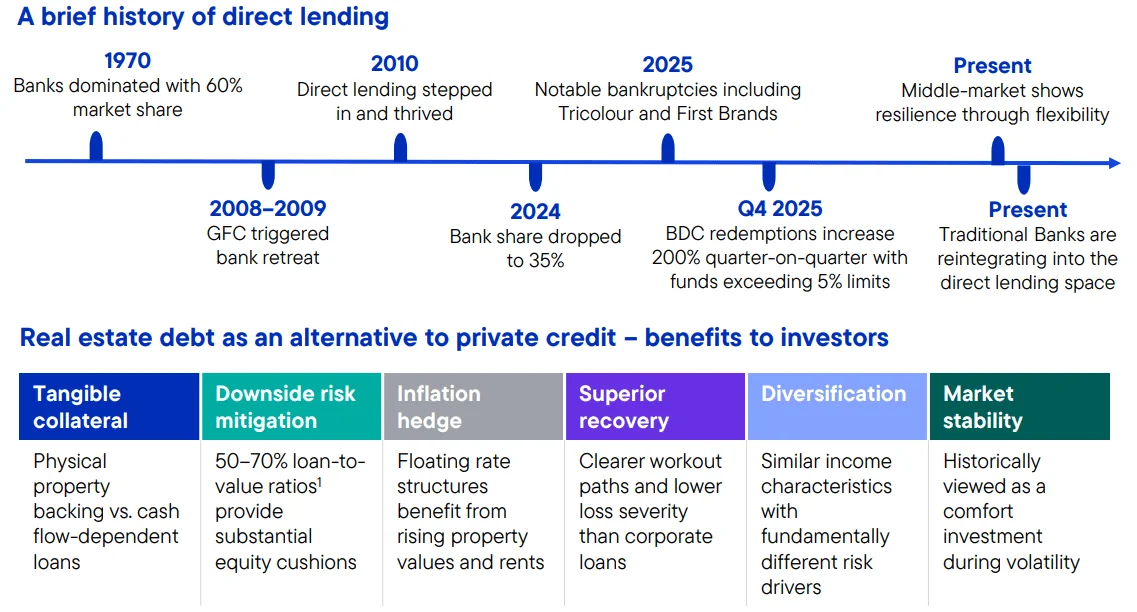
Amid these rising rates, there's a pronounced bifurcation emerging within the commercial real estate sector, splitting it into prime and secondary markets. Prime assets—those situated in desirable locations with high occupancy rates—are experiencing robust demand, despite higher financing costs. Investors are willing to pay up for properties that promise cash flow stability. However, older and riskier properties are becoming increasingly difficult to manage as their valuations decline under pressure from higher borrowing costs and an increase in the expected returns on riskier investments.
Such divergence is reflected in investment strategies. Capital is being funneled into industrial and infrastructure projects as they present attractive opportunities relative to traditional retail and office sectors that are now viewed as high-risk, particularly with the shift toward remote working and e-commerce. The demand for distribution centers and logistics hubs is surging, as businesses realign their operations to accommodate a digital-first economy.
Implications for Stakeholders
This shifting landscape has wide-ranging implications for all stakeholders involved—shareholders, employees, customers, and borrowers. For shareholders in real estate investment trusts (REITs) and related entities, the challenge is to align portfolio strategies with the prevailing conditions. Companies that can pivot may find resilience and opportunities in sectors or asset classes that are benefiting from this transition.
Employees in the real estate sector may face stresses related to job security as companies align their business models with the emerging dynamics of the market. Meanwhile, customers, especially those involved in retail and service sectors tied to commercial real estate, could experience shifts in pricing and availability as landlords reassess their strategies in this evolving environment.
Borrowers are likely to face tighter lending conditions as institutions recalibrate risk assessments in light of the current environment. Those with existing mortgages will feel the pressure of rising rates on cash flow, potentially leading to an increase in default risks and market instability.
Look Ahead
In conclusion, as higher interest rates reshape the commercial real estate landscape, stakeholders must navigate a complex interplay of risks and opportunities. The necessity for proactive refinancing strategies, informed investment decisions, and an understanding of the market's bifurcation is critical going forward. What remains to be seen is how resilient high-quality assets will remain amidst growing economic uncertainties and whether secondary and older properties can adapt or will face continued devaluation.


