Side A · Liner notes
Analyzing Market Trends: Insights from The Compound and Friends Episode
Markets · Words by Michael Batnick · Released
This week's episode of The Compound and Friends delves into current market trends, offering insights for investors navigating volatility and macroeconomic shifts.
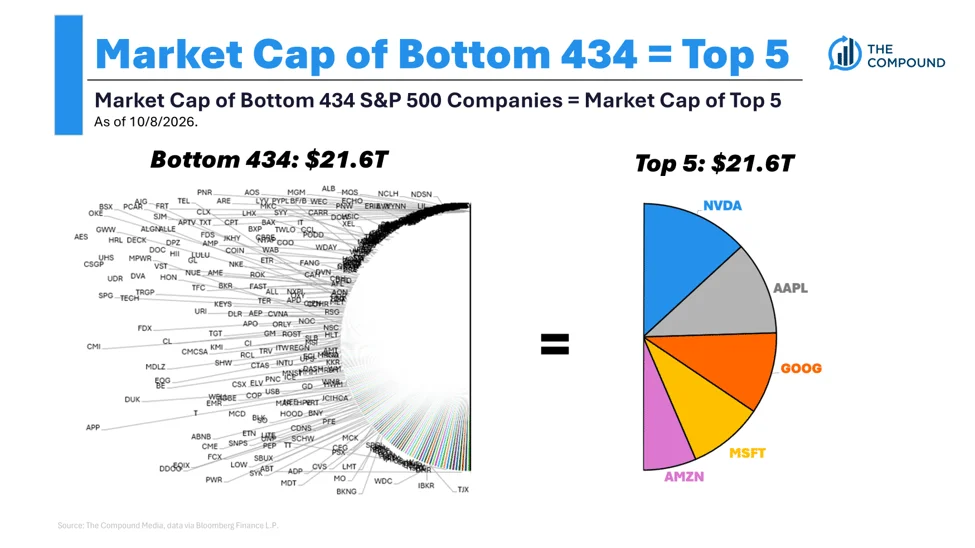
Market Trends and Insights

This week’s edition of "The Compound and Friends," hosted by Downtown Josh Brown and Michael Batnick, featured a deep dive into current market dynamics, focusing on trends that investors should monitor closely. The discussion highlighted several significant themes affecting equity markets, particularly in light of ongoing economic headwinds.
The host emphasized the importance of understanding market volatility when making investment decisions. Acknowledging that the current environment is influenced by multiple factors, including interest rate changes and inflation pressures, the conversation revolved around how these elements can sway investor sentiment and market performance.

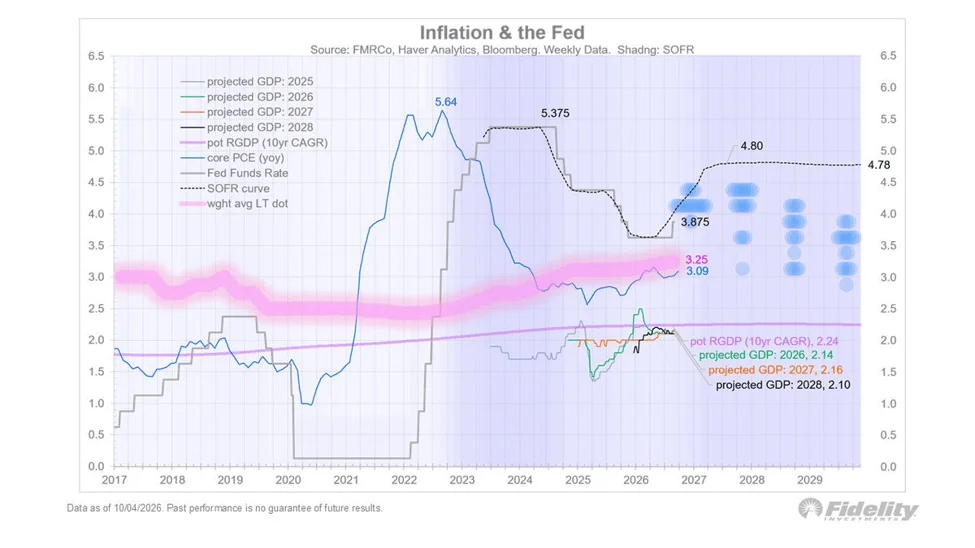
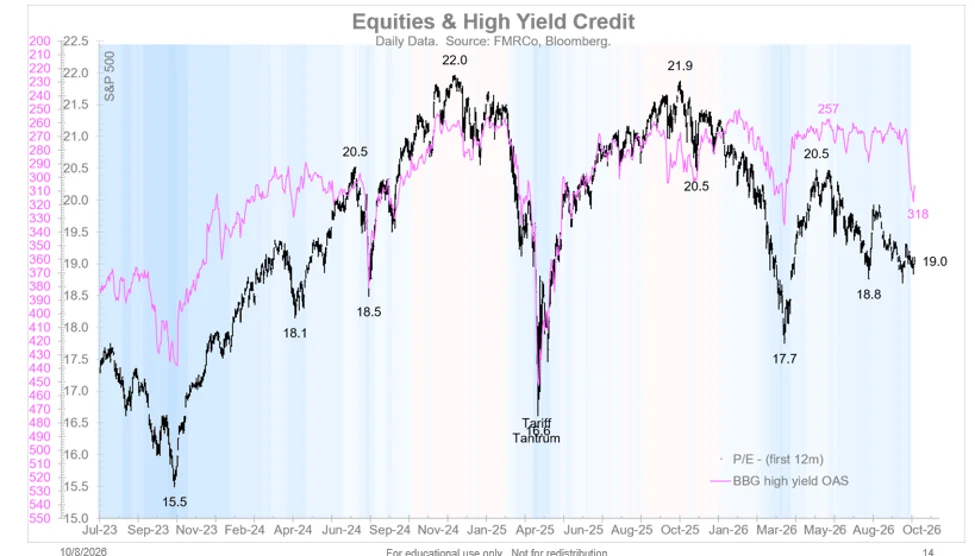
Panelists expressed concerns about the broader implications of rising interest rates. Historically, when the Federal Reserve increases its benchmark rates, equity markets often face downward pressure as the cost of borrowing rises. As of now, the Federal Reserve has incrementally raised rates, with the most recent adjustment bringing the federal funds rate to a target range of 5.25% to 5.50%. This rate is particularly significant given that analysts are watching for any signs of a slowdown in economic growth, which could further complicate investment strategies.

The hosts highlighted the potential impact of these economic factors on various sectors, particularly technology and consumer discretionary stocks, which historically exhibit heightened sensitivity to interest rate changes. The panel underscored the necessity for investors to remain agile and adaptable, as the interplay between consumer behavior and monetary policy continues to create market unpredictability.
Sector Analysis
In this context, the discussion shifted to sector performance and the varying resilience observed across different industries. For instance, segments such as utilities and healthcare have shown relative stability during periods of economic uncertainty. The reason for this is often attributed to their non-cyclical nature; consumer demand for these services tends to remain consistent, irrespective of economic timelines.
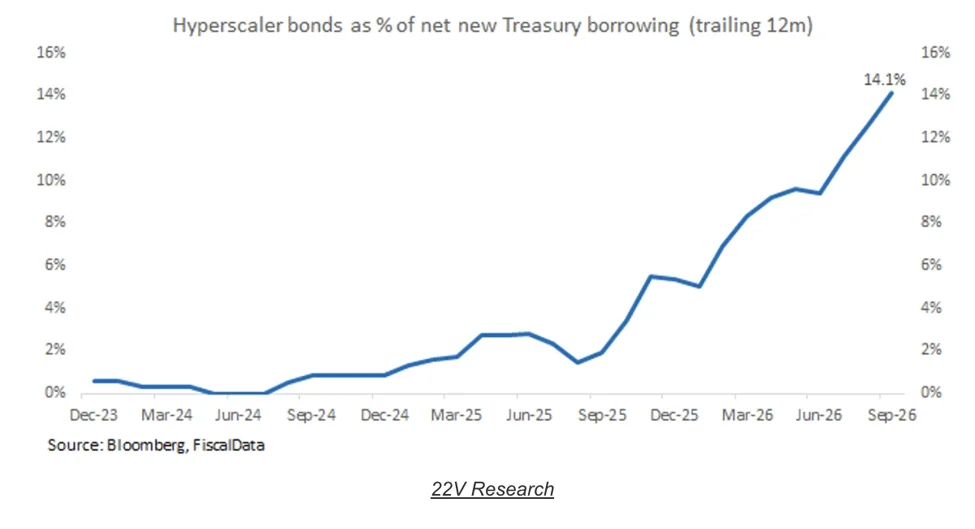
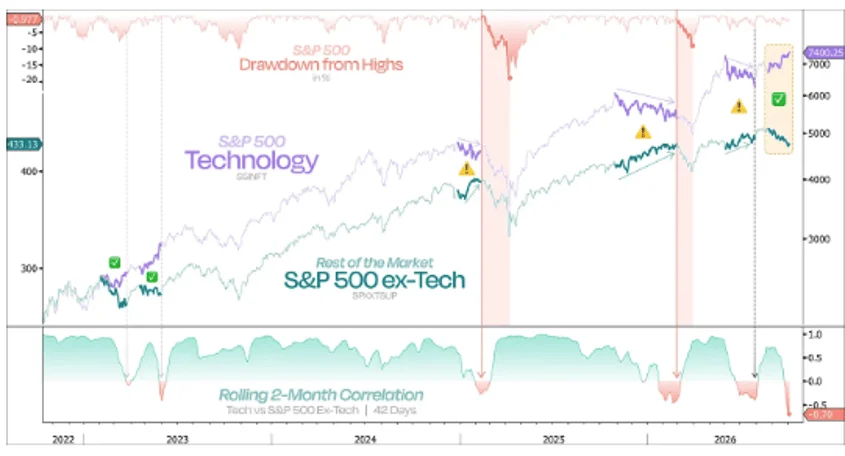
Conversely, sectors like technology, which often rely on growth-driven investor sentiment, may struggle as borrowing costs increase and valuations tighten. The panel pointed to notable examples, such as recent earnings reports from leading tech firms that have indicated cautious outlooks moving forward due to tightening fiscal conditions. These patterns may underline the significance of incorporating a diversified strategy that balances growth and stability.
Global Considerations
Market watchers should also keep their eyes on global economic conditions that can ripple through U.S. markets. The panel delved into how geopolitical tensions and trade balances can affect investment flows and, consequently, market volatility. For instance, unresolved trade negotiations could lead to added uncertainty, prompting investors to hedge their positions or incorporate alternative strategies. The discussion pointed out that foreign exchange shifts can also impact multinational corporations' financial performance, highlighting the importance of a globally-aware investment perspective.
Looking at international markets, the podcasters noted that while diversification may help reduce some volatility, the interplay of global factors remains complex. Investing in international equities offers exposure to growth opportunities but also comes with risks associated with currency fluctuations and regulatory changes across different jurisdictions.
Technological Influences and Investor Sentiment
The role of technology in influencing market trends cannot be overstated. With the rise of digital trading platforms and the availability of vast amounts of market data, investors are more empowered than ever to make quick decisions. However, the hosts cautioned that this could lead to herd behavior where market sentiment shifts rapidly based on headline news or social media chatter. This phenomenon has been observed in numerous instances, such as the recent volatility surrounding meme stocks, where investor sentiment can dictate price action significantly more than underlying fundamentals.
Panelists urged listeners to approach such volatile investments with a clear rationale and grounded expectations, rather than being swayed by trends alone. “Data is power,” one remarked, “but reckless investing can lead to steep losses.” This sentiment serves as a reminder that while technology provides tools for investment, it does not replace the necessity for sound strategy and due diligence.
Preparing for Future Trends
In conclusion, the episode of "The Compound and Friends" provided a wealth of insights into the current investment landscape. Investors must be vigilant, balancing opportunities against the backdrop of increasing volatility and shifting economic dynamics. Identifying sectors less impacted by interest rate hikes or economic downturns may mitigate risks, while global considerations will remain pivotal in shaping market sentiment and performance. As always, staying informed and adaptable will be crucial for navigating this complex financial environment.
The final takeaway for investors: remain proactive in your investment strategies, adapt as necessary, and utilize market insights wisely.


