Side A · Liner notes
AI Debt Sparks Concerns Over Potential Economic Slowdown
Banking · Words by Michael Batnick · Released
The rise of AI-related debts is raising alarms about financial risks and market conditions, reminiscent of the pre-2008 crisis, alongside tight high-yield spreads.
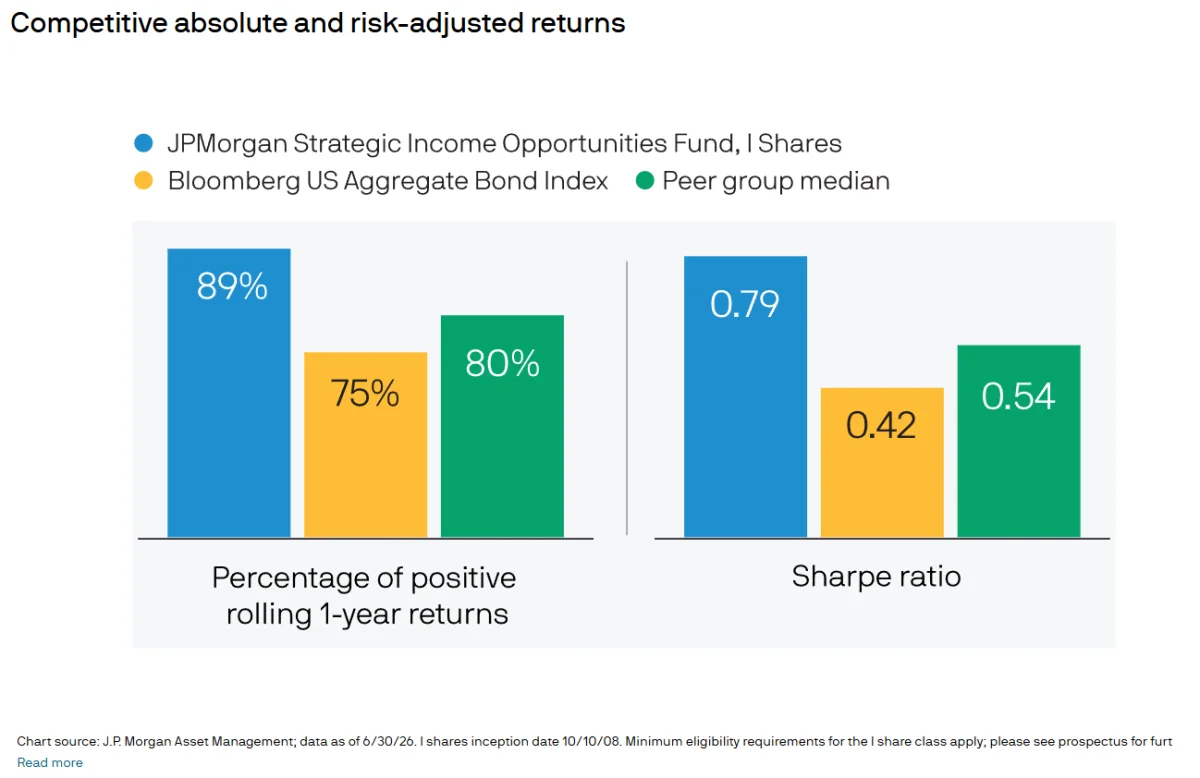
As the integration of artificial intelligence systems continues to transform corporate structures, the burden of AI-related debt is becoming a significant topic of discussion among finance professionals. With companies increasingly taking on debt to fund AI initiatives, analysts are raising red flags about potential economic implications. This financial landscape mirrors the prelude to the 2008 financial crisis, prompting a closer examination of current credit market conditions.

Understanding AI-Related Debt
The phenomenon of AI-related debt encompasses not only traditional borrowing but also off-balance-sheet obligations that companies incur when investing in advanced technologies. These debts often lack clear visibility on corporate balance sheets, which can obscure the true financial health of firms. Experts are concerned these hidden liabilities could elevate default risks, much like the risky mortgage-backed securities that precipitated the last financial downturn.

Market Context and Current Trends
High-yield bond spreads are currently observed at tight levels, which may mask underlying credit risks. According to recent data, spreads have not widened substantially despite increasing corporate debt levels, signaling a confidence among investors that may not fully reflect the realities of corporate leverage and potential vulnerabilities. Historically, a similar atmosphere was present in 2007, where complacency concerning credit quality preceded significant adjustments in the market.

This situation is particularly evident in sectors heavily investing in AI technology. The demand for cutting-edge solutions has led many firms to pursue aggressive debt strategies, leveraging low-interest rates that have characterized the last few years. However, as interest rates begin to rise, the sustainability of these debt loads becomes questionable.
Defensive Fund Positioning and Investor Sentiment
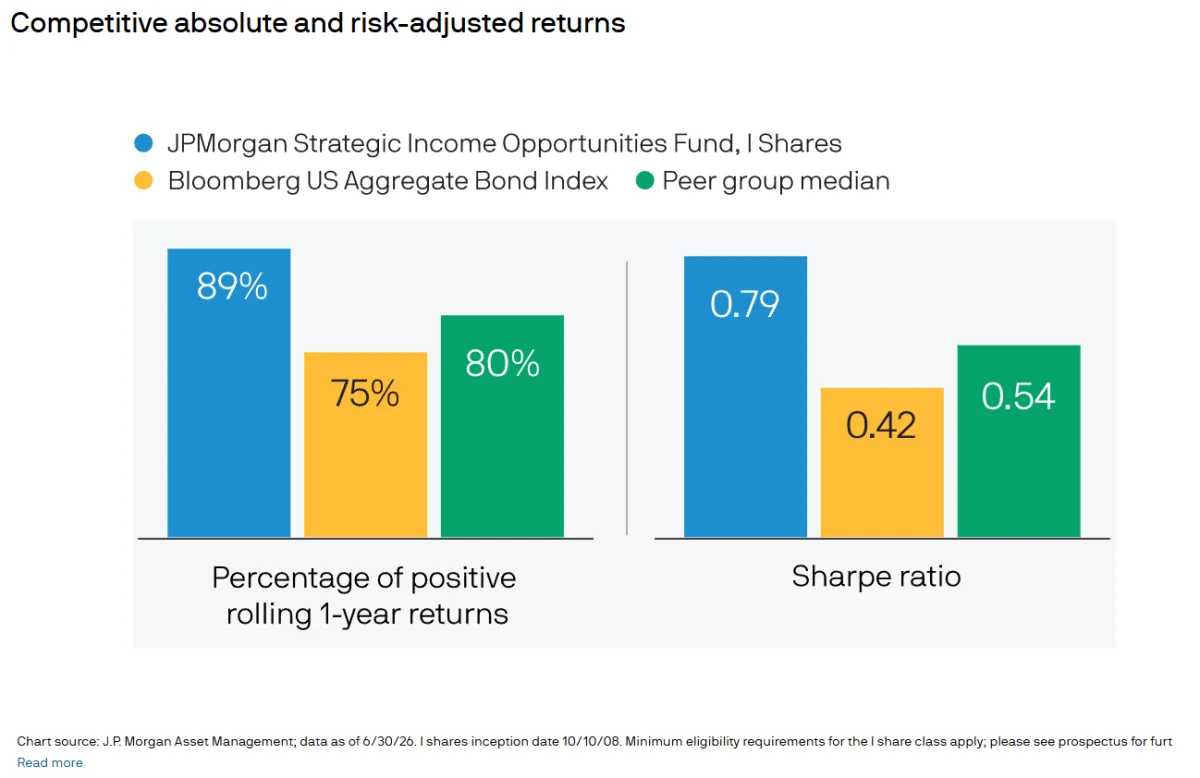
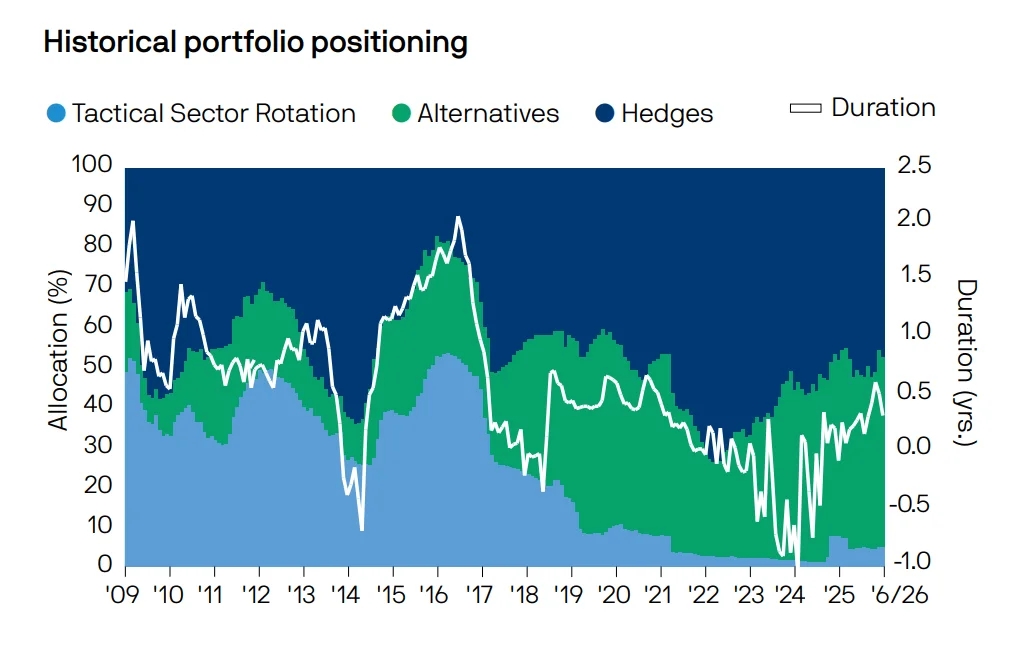
Currently, defensive positioning among funds is the most pronounced since the 2007 credit cycle, as investors are adopting a cautious stance regarding credit exposures. With fears of deteriorating credit quality amidst growing corporate debts, portfolio managers are seeking safer assets. This pivot reflects a broader recognition of risks tied to high leverage levels, particularly in technology sectors.
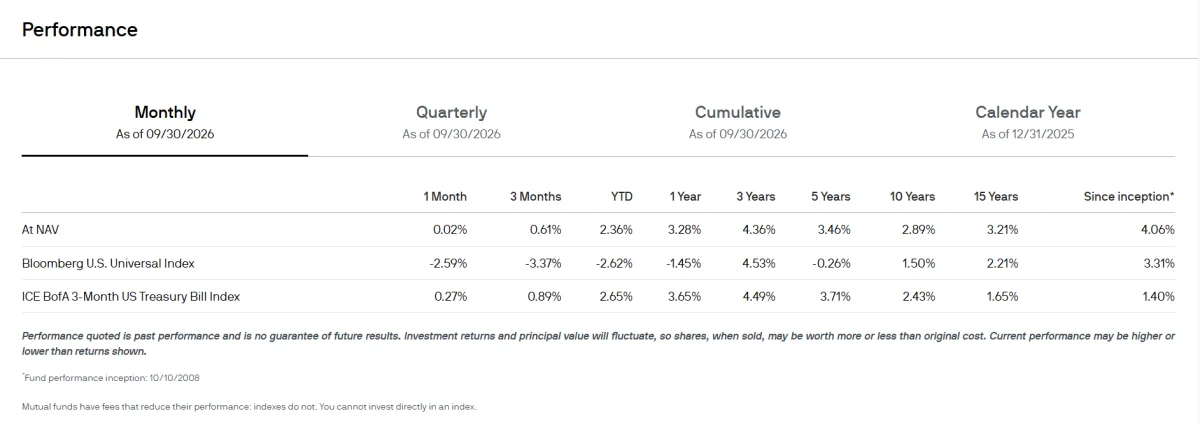
Many financial advisers are choosing to realign investments away from high-yield strategies and towards more resilient options, a trend that may influence the dynamics of capital markets if more investors adopt similar strategies. This shift highlights an emerging focus on creditworthiness and tangible earnings performance rather than untested growth narratives.
Potential Outcomes and Risks Ahead
Looking ahead, the landscape appears fraught with uncertainties. Should defaults begin to rise among companies burdened by AI-related debt, it could trigger a domino effect throughout the economy, reminiscent of earlier crises where a ripple of defaults led to broader economic distress. Analysts are urging caution and a careful monitoring of economic indicators tied to corporate resilience.
Particularly, sectors like retail and hospitality, which have shown signs of strain, could be the first to feel the impact of any debt-related fallout. Companies may also face refinancing challenges if interest rates continue to trend upwards, making it harder to manage and roll over existing obligations.
Who Is Impacted?
The ramifications of rising AI debt are likely to extend beyond corporate boundaries. Shareholders may see diminishing returns if companies struggle to meet their debt obligations, potentially eroding market confidence. Additionally, employees could face job security risks in companies forced to scale back or make drastic operational changes in response to financial pressures.
Borrowers looking for new funding may encounter tightened credit conditions as lenders reassess risks associated with corporations that exhibit significant leverage. This would likely lead to a contraction in lending, which, when coupled with rising interest rates, could exacerbate an economic slowdown.
Conclusion
The financial community continues to grapple with the broader impacts of AI-related debt amidst a backdrop of tight credit spreads and cautious fund repositioning. As companies forge ahead with ambitious AI projects, the risks of elevated debt levels warrant close scrutiny. Ongoing vigilance and preparedness for contingencies could be essential for navigating potential slippery slopes in the evolving market landscape.


