Side A · Liner notes
Navigating the Risks of Higher Interest Rates in Today's Market Environment
Markets · Words by Michael Batnick · Released
Higher interest rates are reshaping corporate finance strategies, with significant implications for market behavior and stakeholders across sectors.
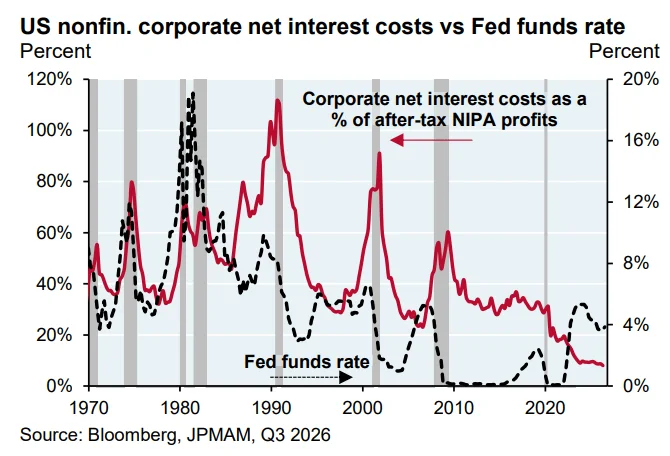
In today's financial landscape, the ramifications of higher interest rates are becoming increasingly significant for corporations and investors alike. With the Federal Reserve's tightening stance on monetary policy, many are left to ponder whether the adverse effects outweigh the previously favored zero interest rate policies (ZIRP).
Impact on Corporate Financing
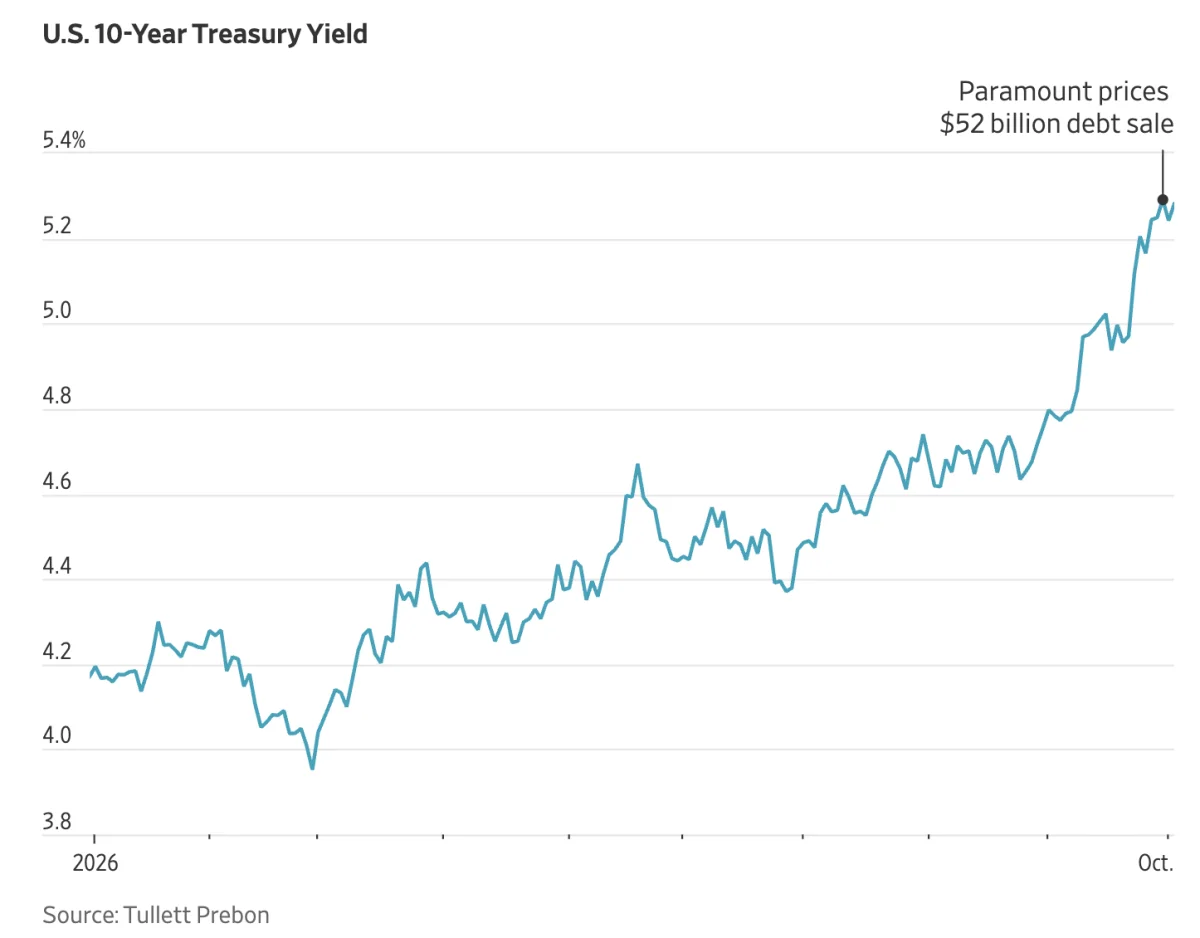
Recent reports highlight how corporate America is grappling with the heightened costs of borrowing. One important case is Paramount’s recent move to issue $52 billion in debt. The sheer volume indicates the aggressive financing strategies companies might adopt under pressure, as they secure capital in an environment marked by rising rates. Such increases can sharply erode company profits, as the cost of servicing debt climbs ever higher.

The average interest rate on new loans has escalated, which can squeeze cash flows for companies. This scenario compels businesses to reconsider their capital structures and financing options. In contrast to ZIRP, where borrowing was almost free, today's environment necessitates more rigorous cash flow management and investment analysis. Firms with existing debt may face ballooning costs, prompting some to refinance or even liquidate strategies previously deemed sustainable.

Investor Sentiment and Market Behavior
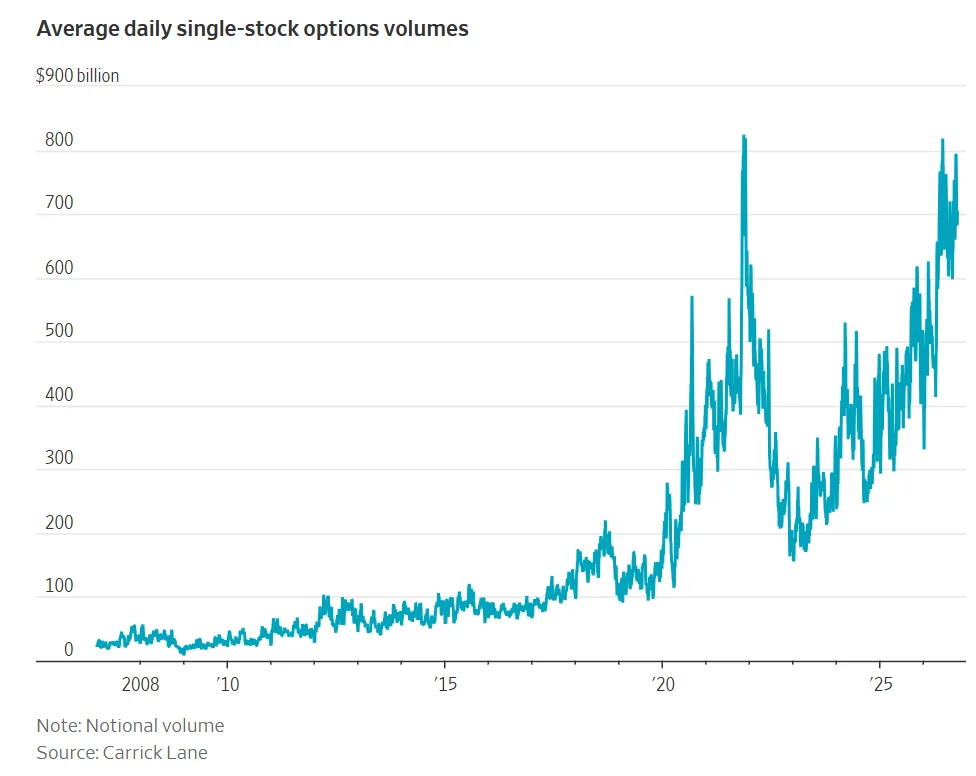
High interest rates often stifle investor appetite for riskier assets, nudging them towards safer investments. However, an interesting phenomenon is manifesting: individual investors remain committed to equity markets despite the higher risks associated with trading options. According to a recent article in the Wall Street Journal, frenzied trading in stock options indicates a robust desire among retail investors to maintain exposure to potential market gains.

This apparent contradiction may stem from a demographic that perceives opportunities where others see peril. The allure of potential gains often prompts these investors to continue their speculative trading, despite warnings of an impending market correction. Historical patterns suggest such behavior can lead to heightened volatility, increasing the risk of significant losses.

The Broader Economic Context
To better understand the ongoing changes, one must consider the context of historical interest rate levels. Over the past decade, low rates fostered an environment conducive to rapid market expansion, cheap borrowing, and consequently, asset price inflation. Conversely, as rates rise, economic theory suggests that growth could decelerate, as consumer spending, influenced by more expensive loans, may contract.
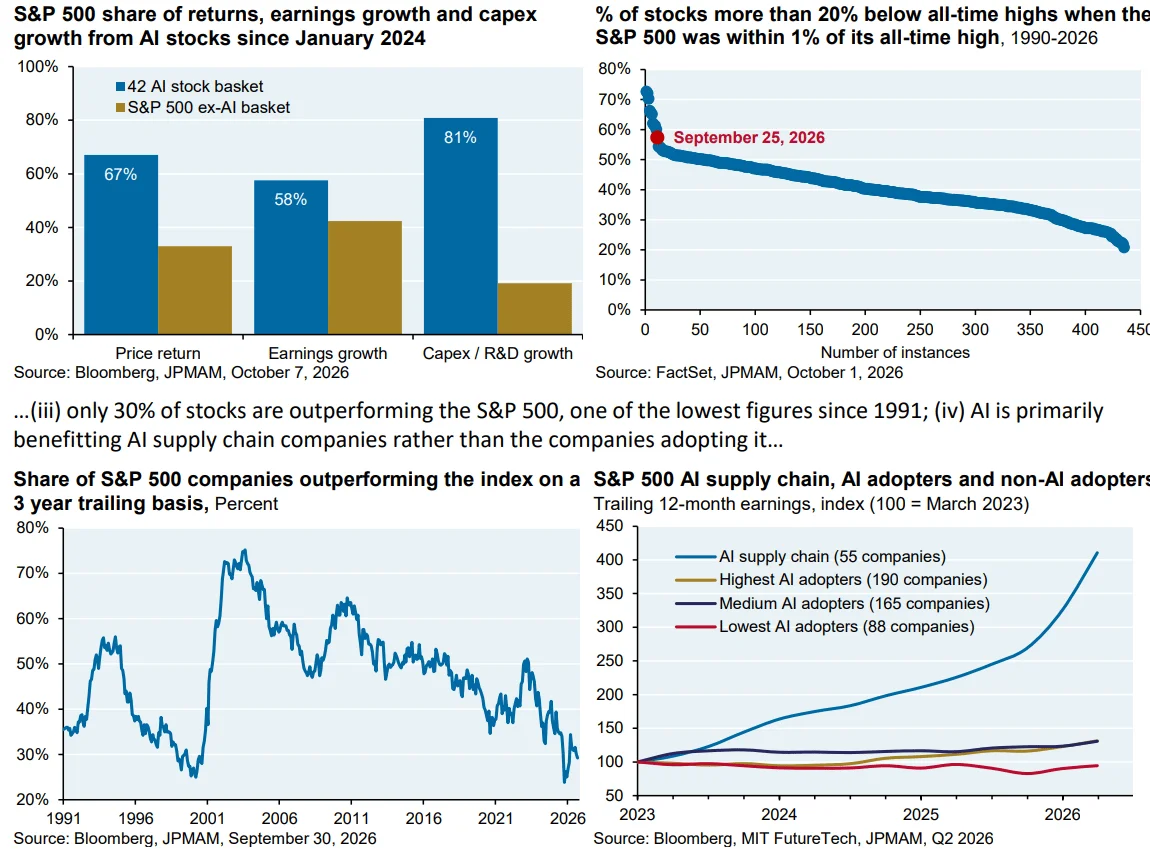
According to a report from J.P. Morgan, the principle of Califoreboding indicates that consumer sentiment often aligns with market conditions. Increased borrowing costs may lead consumers to curtail spending on discretionary items, ultimately reducing overall economic activity. Such reductions can have significant implications, particularly within sectors heavily dependent on consumer spending.
Consequences for Stakeholders
Shareholders are directly impacted, as declining profit margins can lead to diminished stock valuations. As companies report lower earnings due to higher financing costs, stock price corrections may follow. Furthermore, employees within affected companies might face job insecurities as firms move toward cost-cutting measures in response to squeezed margins.
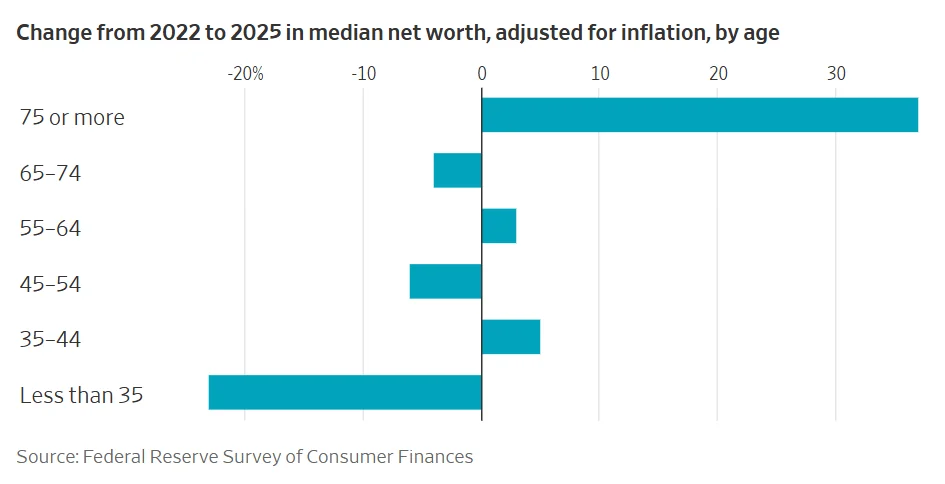
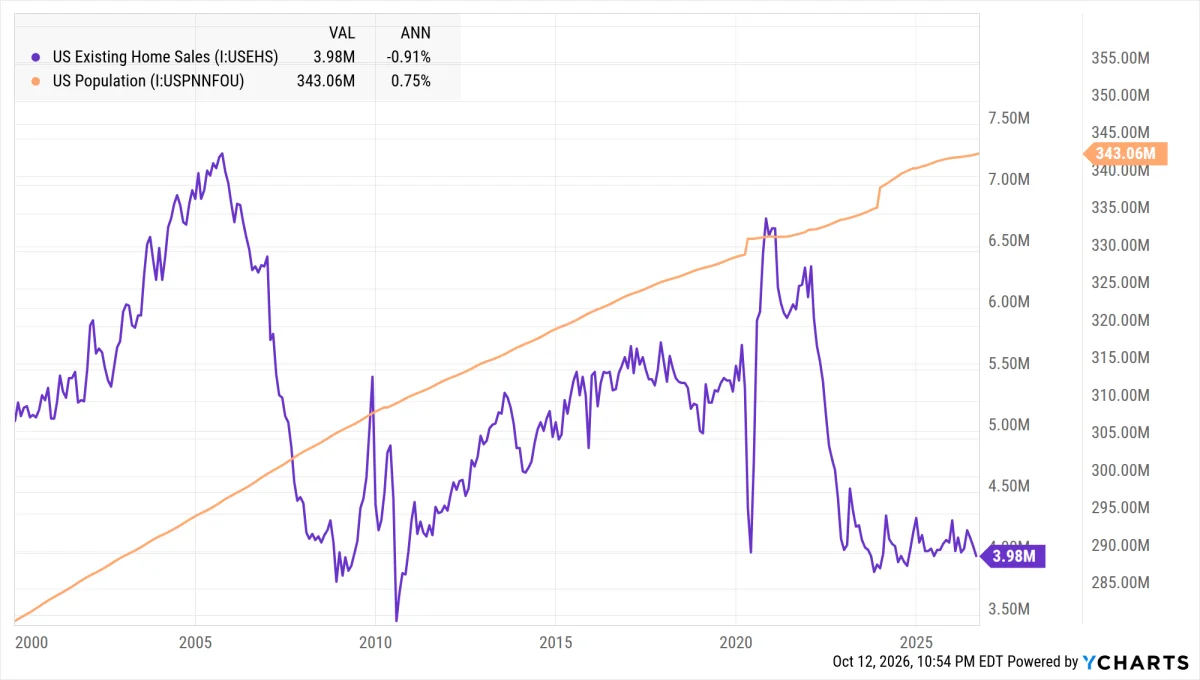
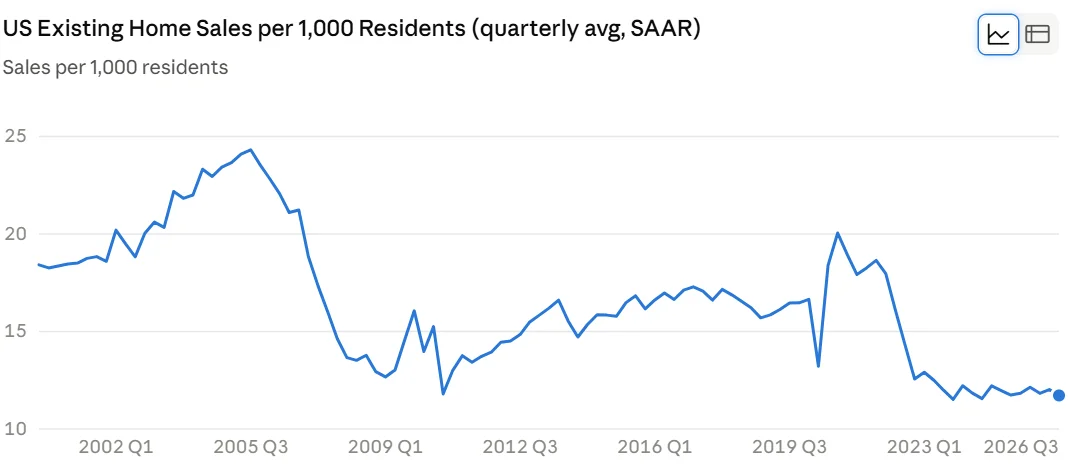
On the other end, borrowers seeking mortgages or loans will find themselves subjected to greater financial burdens, a critical point especially as property values may be plateauing or declining. As seen in various financial analyses, the housing market is already reflecting these pressures; higher mortgage rates contribute to cooling demand, which impacts homebuilders and directly affects employment in that sector.
What’s Next?
Looking ahead, uncertainties surrounding future interest rate trajectories remain. The Federal Reserve’s policy decisions will likely depend on inflationary pressures and overall economic health. Should inflation persist, further rate hikes could materialize, cementing the sentiment that we are navigating through a distinctly different era of borrowing costs.
In response, investors and companies alike should brace for continued fluctuations in market behavior. A potential shift toward more conservative borrowing and spending habits may define the future economic landscape, causing ripple effects across all sectors.
In conclusion, the complexities of operating in an environment with higher interest rates versus a prolonged ZIRP scenario will require stakeholders to adapt their strategies thoughtfully. As the market adjusts, staying informed about these dynamics will be crucial for making sound financial decisions.