Side A · Liner notes
Exploring the Evolution of Income Strategies Through ETFs and Structured Notes
Economy · Words by Michael Batnick · Released
This article examines the growing integration of ETFs with structured notes, insights on underwriting risk, and implications for income strategies in volatile markets.
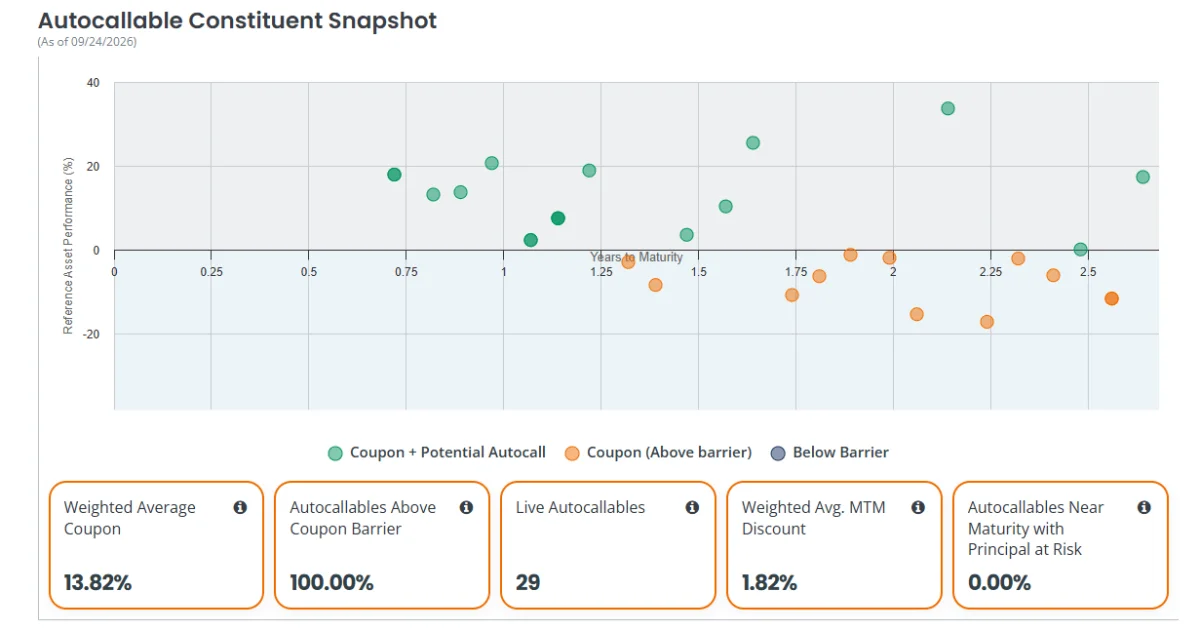
New trends in income generation are emerging as exchange-traded funds (ETFs) begin to overlap with the structured notes market, a segment traditionally dominated by investment banks. This innovative convergence is reshaping how investors think about income strategies, particularly in light of recent market conditions that have driven interest in alternative income sources.

Unlocking the Structured Note Market
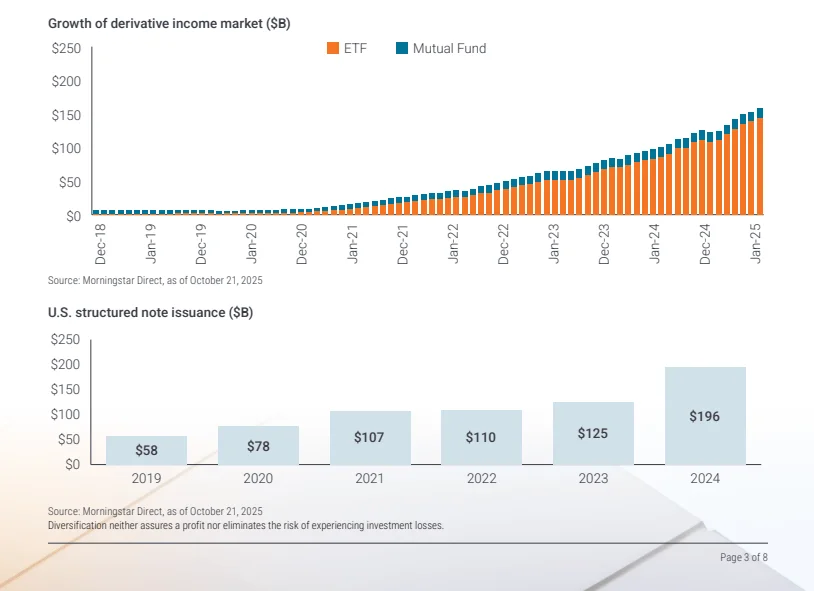
The structured notes market, with its approximate $100 billion size in the United States alone, has remained somewhat opaque for many retail investors. Historically, structured notes were complex, illiquid instruments crafted primarily for institutional investors. However, the introduction of ETFs provides a more accessible means for individual investors to engage with this asset class. By wrapping structured notes inside an ETF format, financial vehicles can now offer the same exposure as traditional structured notes but with enhanced liquidity and transparency.

This shift is significant as it represents a growing appetite for innovative investment products among retail investors. ETFs that incorporate structured notes are designed not only to simplify the investment process but also to provide unique income opportunities that respond to prevailing economic dynamics. The viability of the ETF wrapper is essentially unlocking a market that has languished under complexities and high barriers to entry.

Autocallable Income as Underwriting Risk
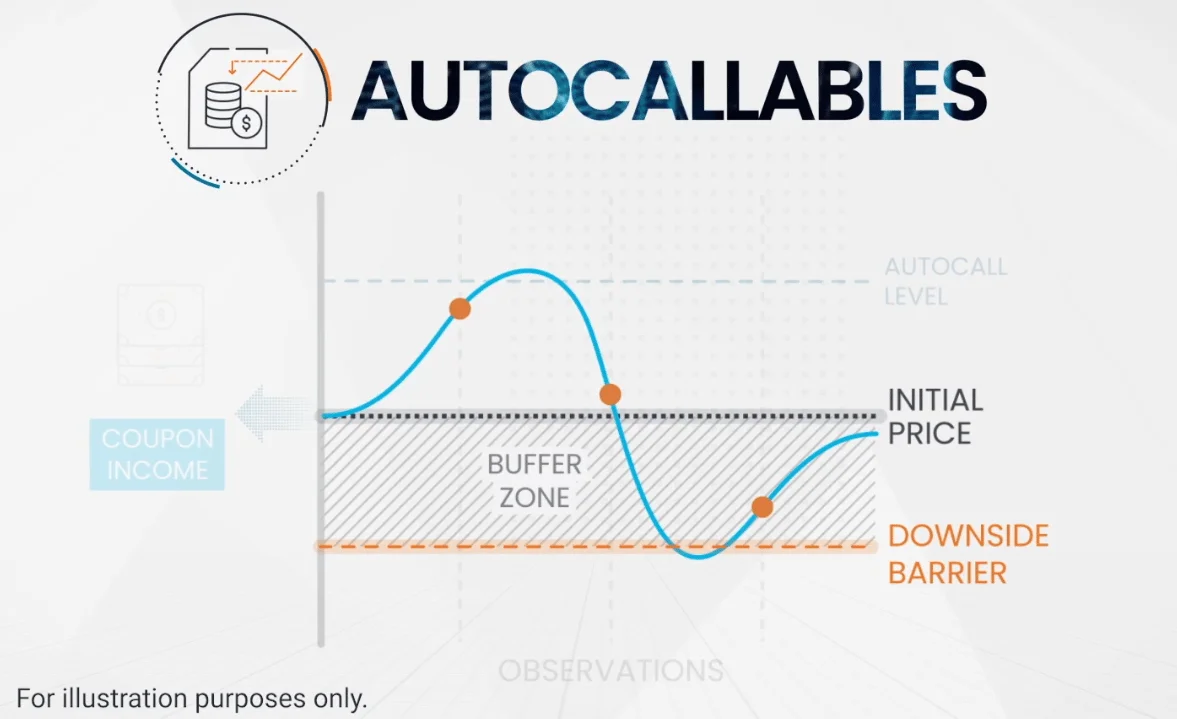
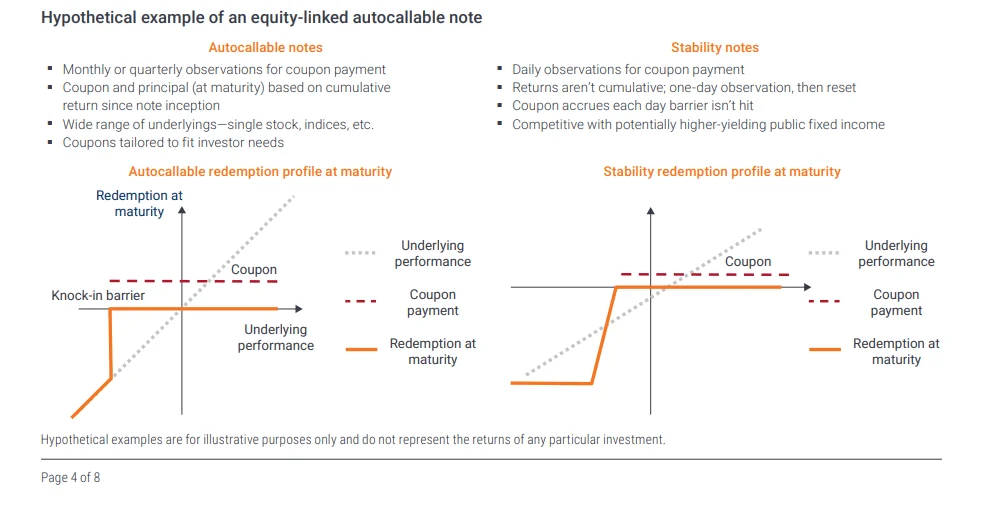
One noteworthy aspect of this evolution is the concept of framing autocallable income resembles traditional underwriting risk, akin to what insurance companies undertake. Autocallable notes are structured to provide conditional returns, generally based on the performance of an underlying asset. This design provides an attractive yield but introduces specific risks that necessitate careful risk assessment and management, particularly in volatile market conditions.
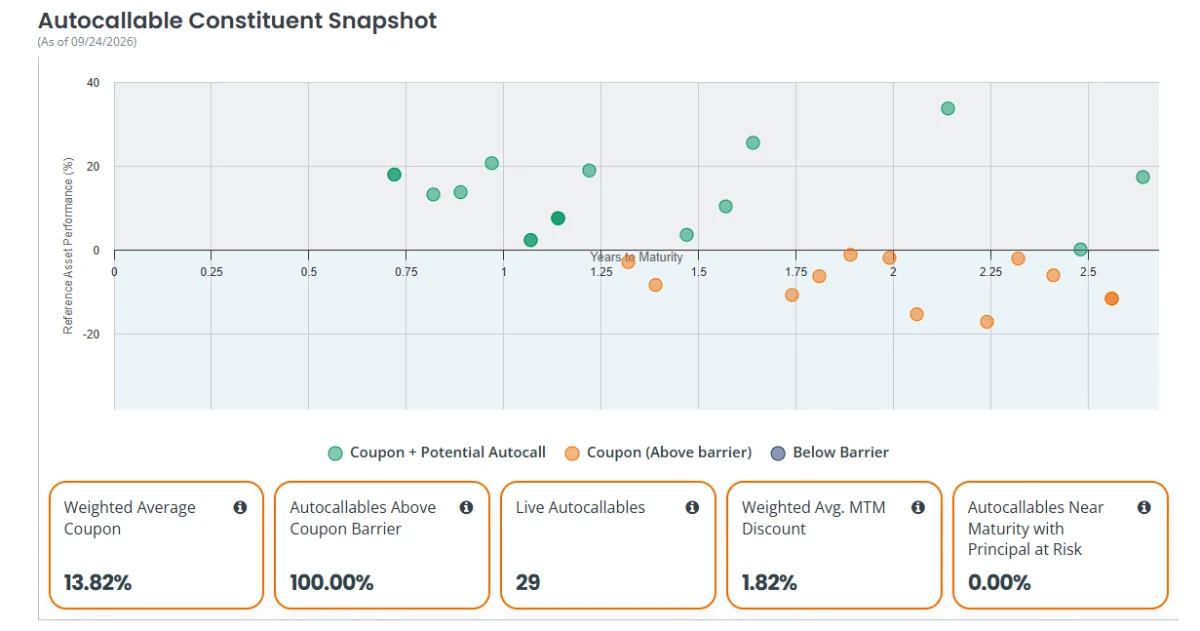
Investors need to understand the implications of this risk framing. In essence, just as underwriters assess risks to price insurance products, investors must evaluate structured products based on their risk-return profiles. This shift also necessitates a degree of sophistication among investors, who must now grapple with assessing performance triggers and potential risks associated with these structured products.
Single-Stock Notes vs. Index Notes
Another intriguing development is the performance disparity between single-stock notes and index notes, particularly in low-correlation markets. In environments where individual stocks may exhibit significant diverging performances from broader market indices, single-stock structured notes tend to offer higher yields than index-based counterparts. This phenomenon emphasizes the need for investors to adapt their strategies based on market conditions and asset correlations.
In a low-correlation environment, the potential for single-stock notes to outperform index notes means there's an opportunity to generate outsized returns; however, it also comes with heightened risks associated with company-specific dynamics. Consequently, investors should remain vigilant and perform diligent analyses when considering exposure through these products.
Market Sell-Offs and Autocallable Strategies
Persistent sell-offs in the broader market can profoundly impact autocallable strategies, which often rely on market stability for optimal performance. When the market experiences deep and broad declines, the triggering mechanisms for these products can become problematic, as the conditions necessary for their payouts may not materialize. As volatility increases, the interconnectedness of market movements can exacerbate existing risks within structured note frameworks. Investors should closely monitor market sentiments and economic indicators that might signal heightened volatility.
Stability Notes as a Response to Regulatory Gaps
In light of the growth in leveraged ETFs, stability notes have emerged as a viable response to the regulatory gaps these vehicles present. Stability notes are designed to provide regular income while maintaining a level of capital protection. As such, they can serve as a balance to the more aggressive nature of leveraged ETFs, appealing to investors seeking income while mitigating the risks associated with increased market leverage.
This regulatory gap, combined with volatility in the markets, makes stability notes especially attractive for a diversified income strategy. Investors concerned about the risks associated with leveraged products can find a reassuring alternative in stability notes, which attempt to provide predictable outcomes even in turbulent times.
Implications for Investors
The evolving landscape of income generation strategies, especially through technological advances like the ETF wrapper, indicates a significant shift toward more sophisticated financial products accessible to retail investors. While the movement towards structured income is promising, it also encompasses a range of risks that investors must navigate.
As this market continues to mature, individuals must become increasingly informed, weighing the benefits of these products against their associated risks. Assessing the potential for returns against the backdrop of financial health indicators and market dynamics will likely become essential for those looking to tailor their investment strategies in a rapidly changing environment.
Ultimately, successful navigation of this evolving investment space will require investors to remain agile, leveraging informational resources and market insights to inform their decisions in line with their financial goals.


