Side A · Liner notes
Analyzing the Impact of Rising Rates on Stock Market Sentiment
Markets · Words by Michael Batnick · Released
As interest rates rise, investor sentiment shifts. Exploring how this trend affects market dynamics and stakeholders' responses offers critical insights.
The recent trend of rising interest rates has reignited concerns about its effect on the stock market. With the Federal Reserve's commitment to higher rates to combat inflation, market participants are assessing the potential repercussions on equities. Understanding the interplay between interest rates and investor behavior is vital for gauging future market movements.

The Current Interest Rate Climate
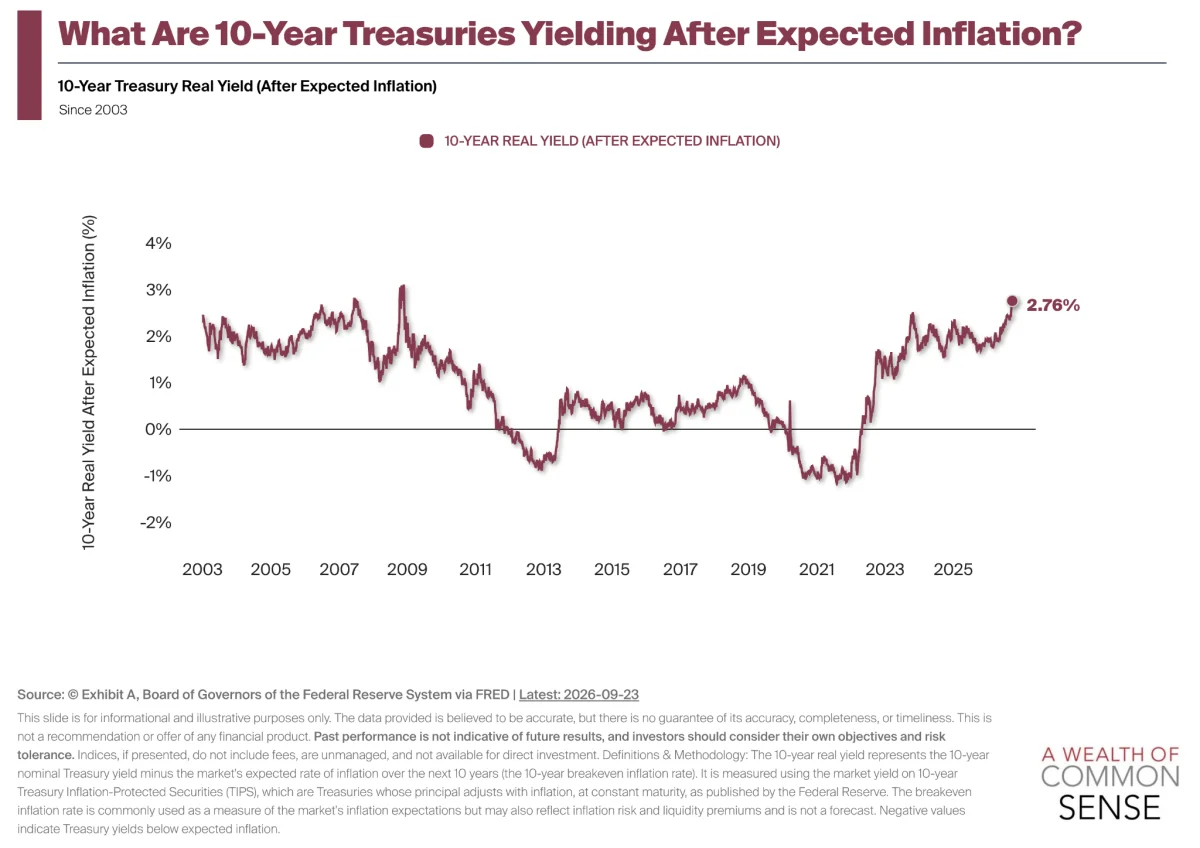
As of now, the U.S. Federal Reserve has increased its benchmark interest rate target to a range of 5.25% to 5.50%, the highest level seen in more than two decades. This uptick is part of the Fed’s broader strategy to control inflation, which has remained above its target rate of around 2% periodically. In this context, the correlation between higher rates and declining stock prices is something investors have closely monitored.

Historical data indicate that periods of rising interest rates often correlate with increased market volatility. For instance, a study by the Federal Reserve Bank of St. Louis found that during the last significant tightening cycle from 2015 to 2018, the S&P 500 experienced substantial fluctuations. Although the immediate impact of rising rates might not always translate to falling stock prices, the lagged effects tend to reveal themselves over time, often leading to a cautious stance from investors.

Market Reactions and Sentiment
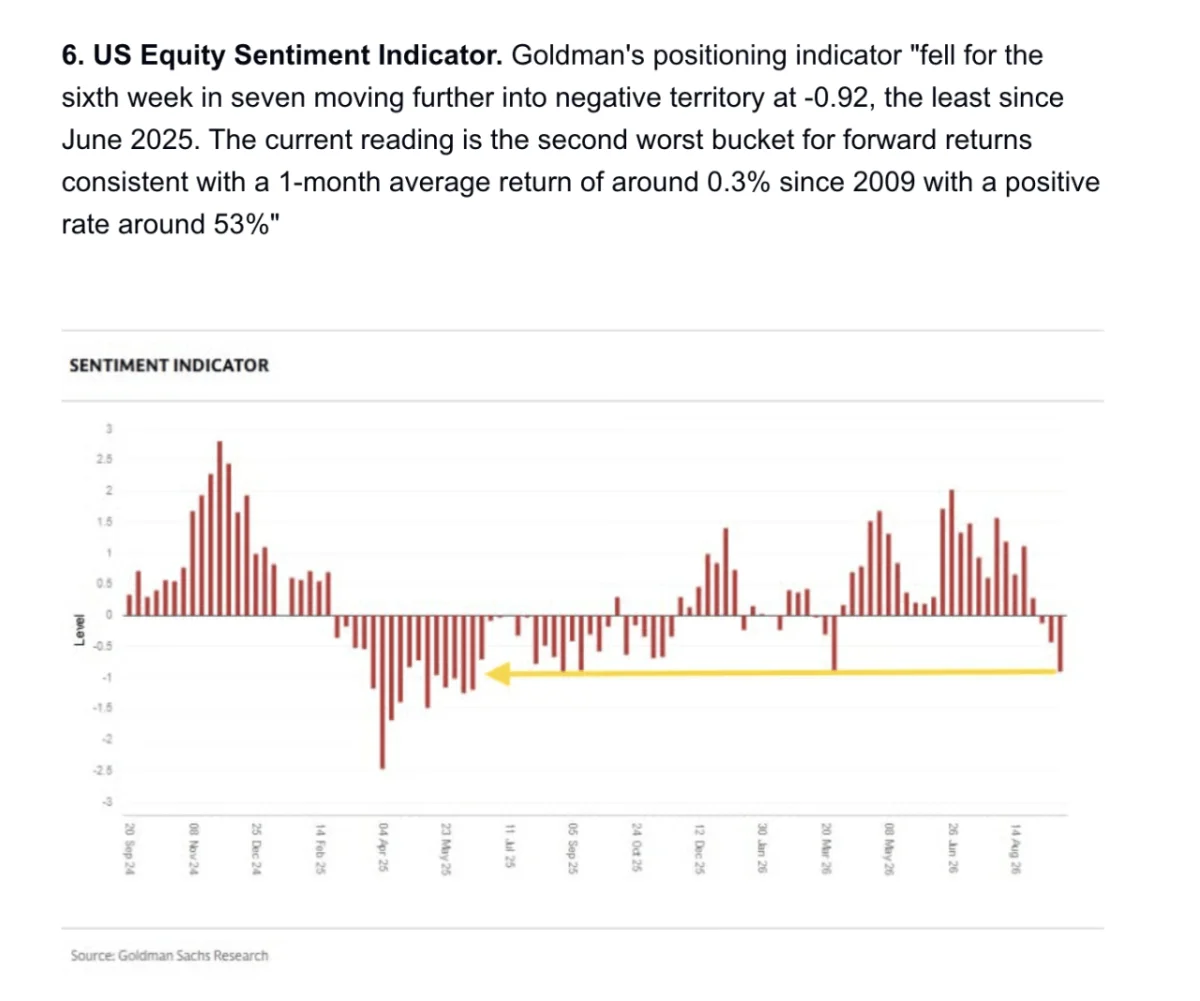
Rising interest rates typically affect investor sentiment negatively, primarily due to anticipated higher costs of borrowing. As borrowing becomes more expensive, both businesses and consumers may cut back on spending. Companies may delay investments or expansions, which can slow down economic growth and weaken earnings projections. The market's fear of reduced corporate profitability could drive stock prices down, as seen in recent weeks where major indexes saw sporadic declines.

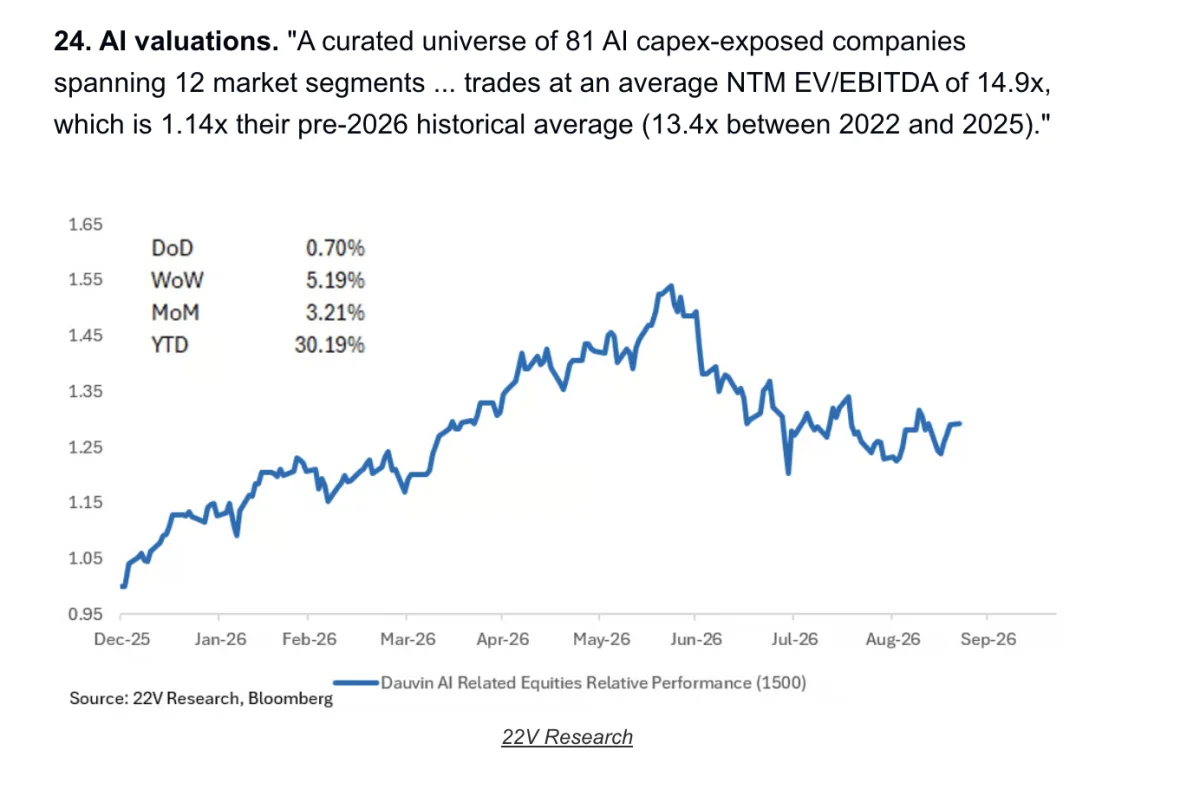
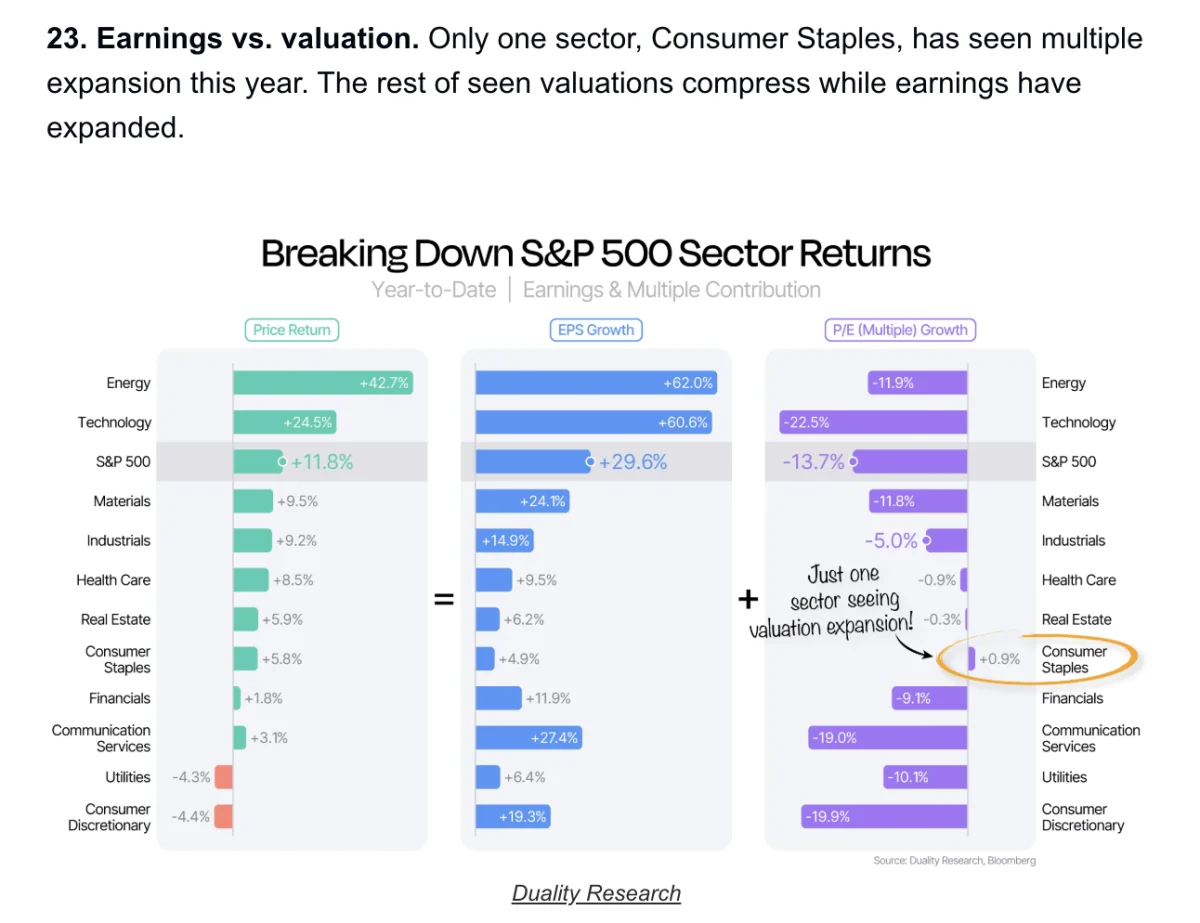
For instance, the Nasdaq Composite Index experienced a drop of over 15% from its peak earlier in the year, as many tech stocks, which often rely on favorable borrowing conditions for growth, faced heightened selling pressure. Conversely, sectors like financials may benefit from high rates, presenting a dichotomy in sector performance during these transitional periods. Thus, sector rotation becomes an integral strategy for investors coping with a shifting interest rate landscape.
Who’s Affected? Stakeholders in Focus
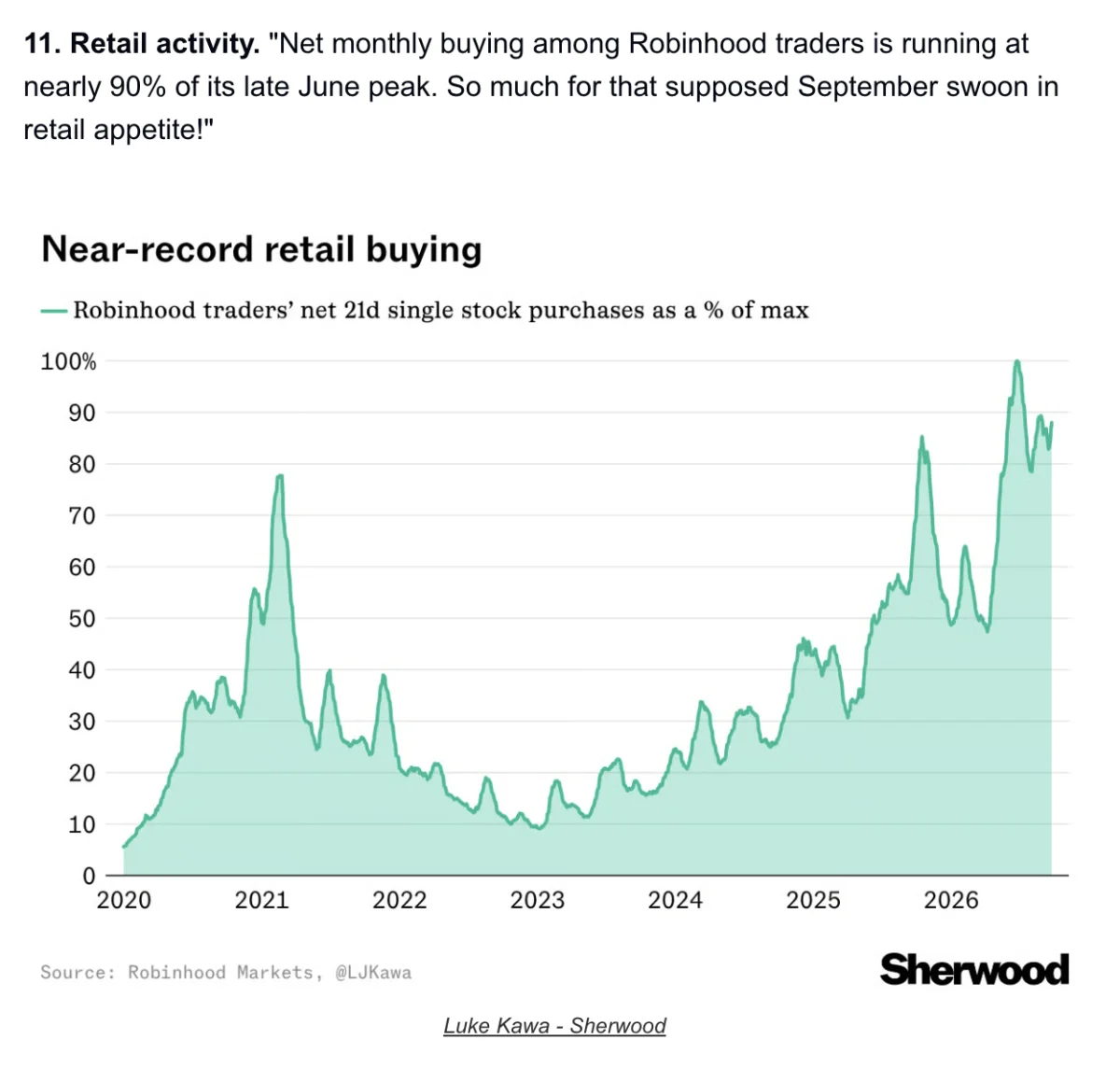
The implications of higher interest rates are far-reaching and impact various stakeholders. Shareholders are left grappling with the potential decline in stock valuations, which can directly affect personal wealth. Reduced market enthusiasm could lead to lower engagement or even loss of investments for retail investors, while institutional investors might be prompted to rebalance portfolios towards assets less sensitive to interest rate changes.
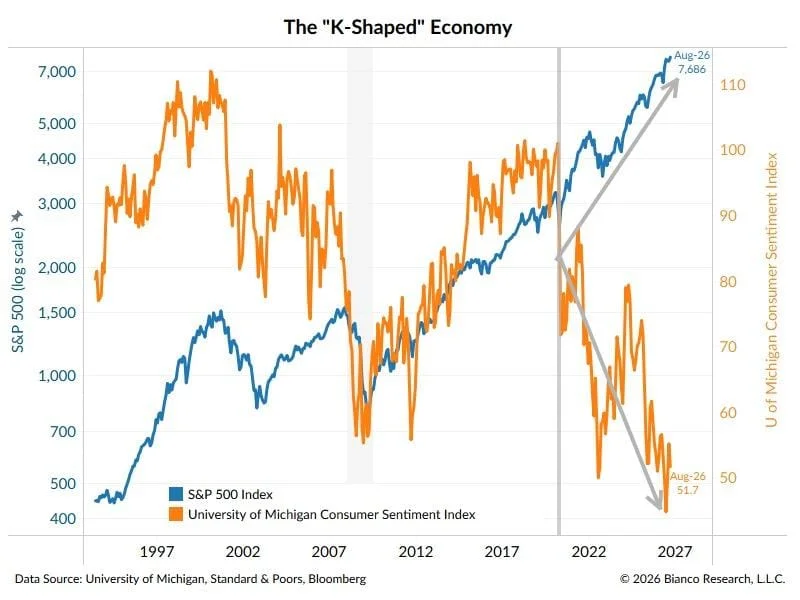
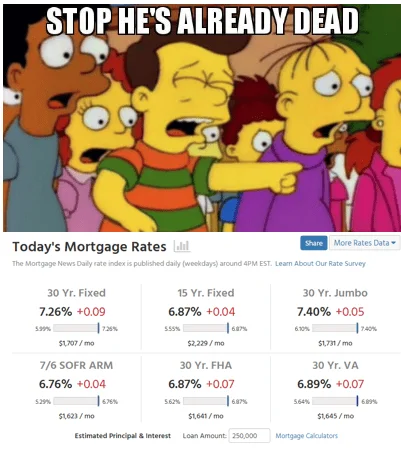
Consumers may also feel the pinch as mortgages, auto loans, and credit card interests climb. Higher financing costs can limit consumer spending power, particularly in sectors reliant on discretionary spending, such as retail and automotive. Household sentiment often follows these economic indicators; when consumers feel financially strapped, they typically reduce expenditures, further exerting pressure on the stock market.
Investment Strategies and Risk Management
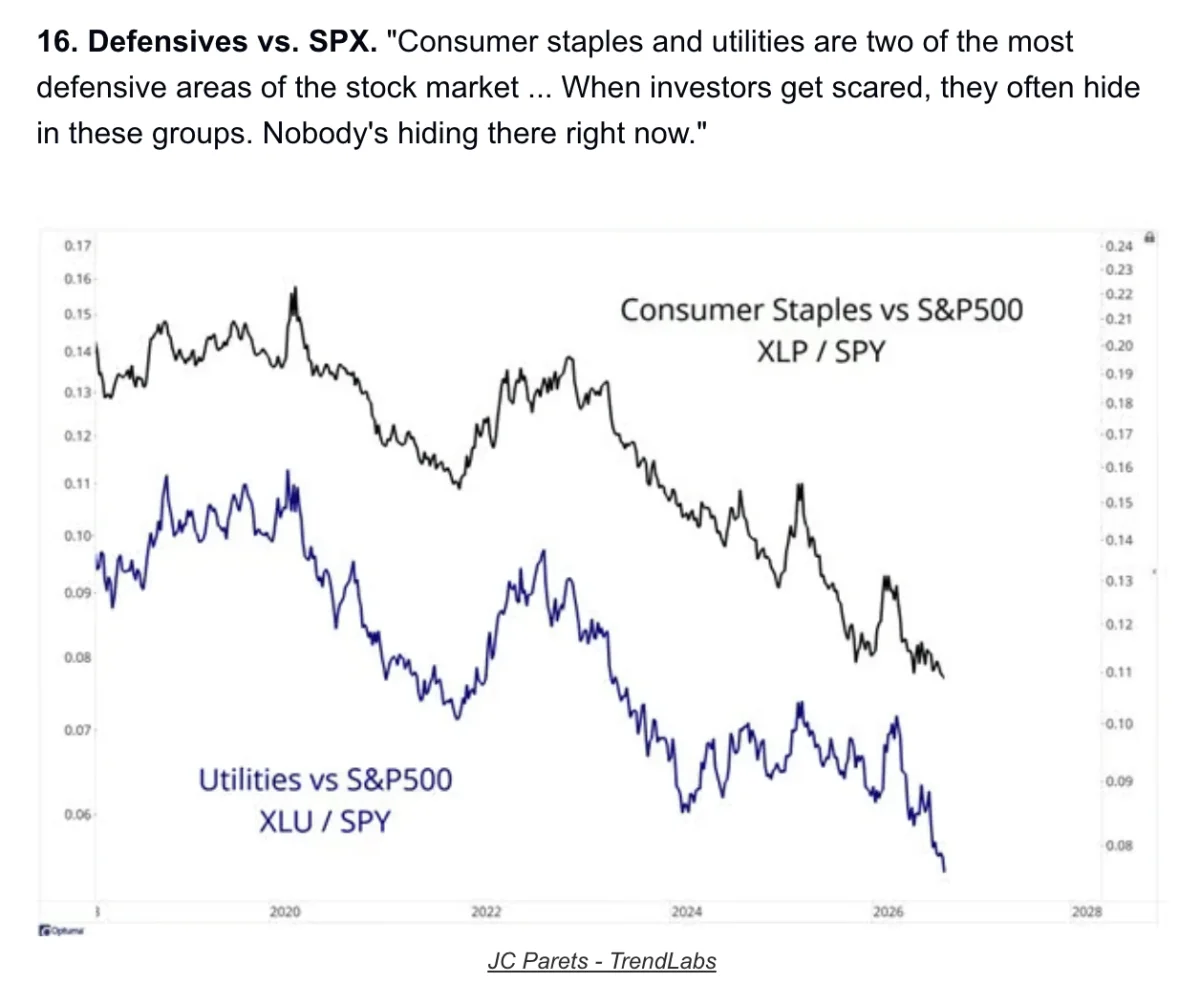
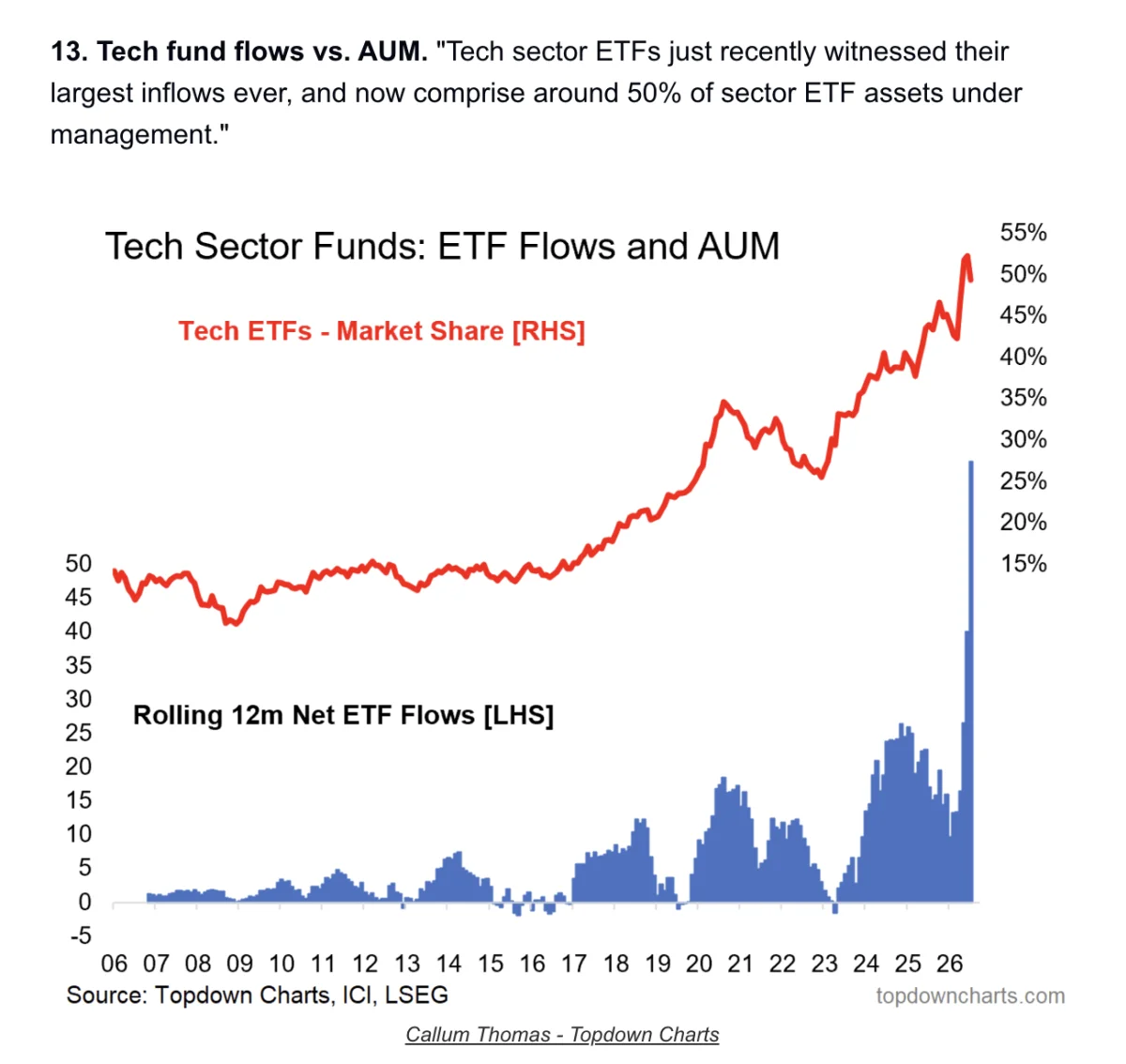
Given the uncertain environment, investors might need to recalibrate their strategies. Historically, defensive stocks—those that promise relative stability regardless of market conditions—tend to gain favor during periods of rate hikes. Companies in utilities, healthcare, and consumer staples usually have steady demand, irrespective of economic downturns. Conversely, growth stocks, particularly in the technology sector, may experience volatility as their valuations often depend on future earnings rather than current cash flows.
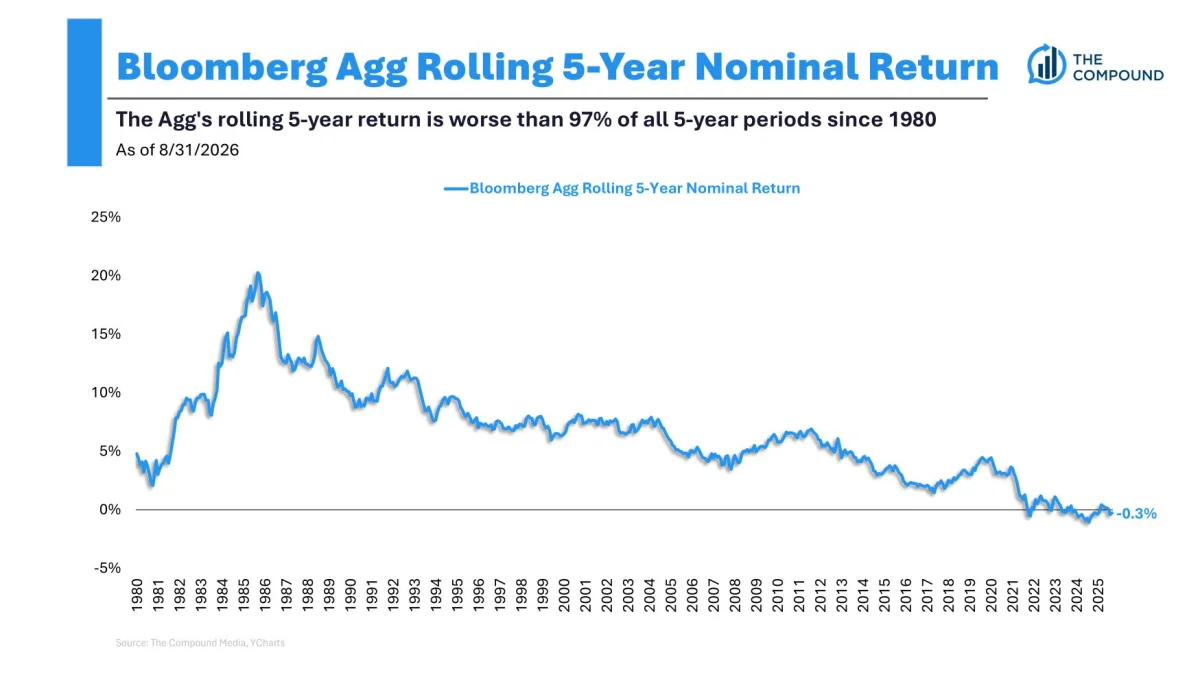
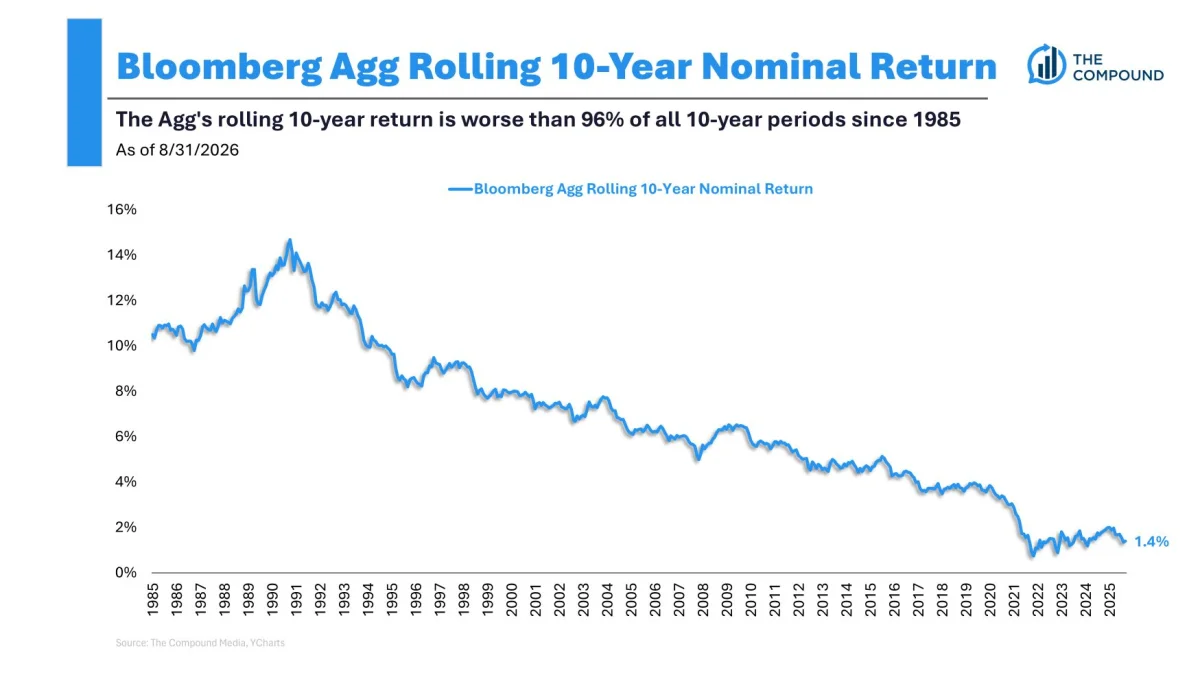
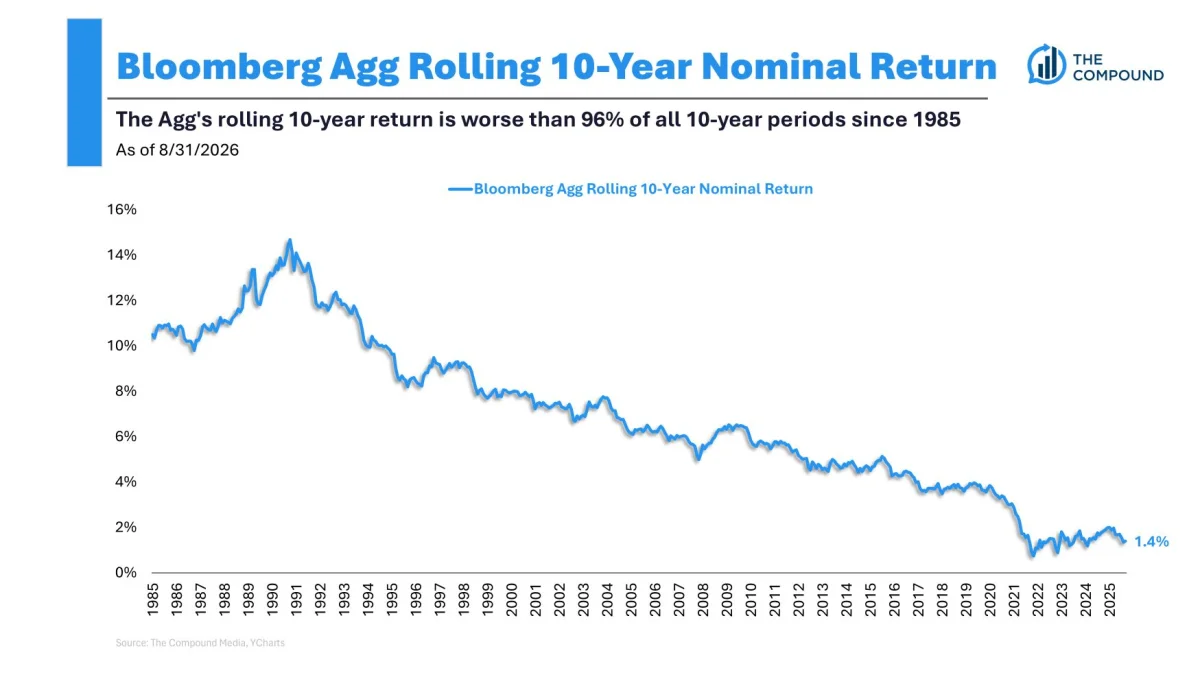
Additionally, fixed-income investments gain allure as interest rates rise. A systematic strategy focusing on bond investments could mitigate exposure to stock market fluctuations while offering relatively safe returns. Thus, a diversified portfolio may serve as a buffer against potential declines in equity values due to rising interest rates.
Future Considerations
As markets adjust to this interest rate regime, uncertainties loom large. Questions surrounding inflation persistence, central bank actions, and geopolitical events may further influence investor sentiment. Should inflation remain elevated, and the Fed continue on its rate hike path, these factors could foster an environment where market corrections might be frequent. Stakeholders must stay vigilant and prepared for volatility as strategic adjustments become necessary in response to ongoing economic developments.
Ultimately, while higher interest rates traditionally raise alarms, they also present opportunities for recalibrating investment strategies. By keeping a keen eye on market dynamics and understanding the broader implications of rising rates, investors can strive to make informed decisions that align with their risk tolerance and financial goals.