Side A · Liner notes
Jessica Burbank's Early Warning on Flock Safety and National Surveillance Trends
Banking · Words by Guest Author · Released
Jessica Burbank's investigation into Flock Safety highlights the dangers of mass surveillance, revealing how local decisions can lead to broader implications for privacy.
This guest essay was written by someone who works for a regulated entity and must therefore be highly circumspect with regard to any public commentary, regardless of topic. They have been closely following the evolution of the mass surveillance situation since early 2025.
Investigative Journalism at Its Best
In journalism, being the first to cover a story can take on different meanings. Jessica Burbank exemplifies the rare skill of identifying the significance of an emerging story before it garners widespread attention. Through her documentary on Flock Safety, she unveiled crucial implications of mass surveillance in America.
The Flock Safety Documentary
In August 2025, Burbank released an hour-long documentary that scrutinized Flock Safety, a rapidly growing company specializing in automated license-plate readers and surveillance technology. Her investigation originated with an obscure municipal contract in Scarsdale, New York, which soon opened a window to the broader national implications associated with surveillance practices.
Uncovering the Truth
On April 8, 2025, Scarsdale’s Village Board signed a contract with Flock without it being listed on the published agenda. This procedural oversight led Burbank to delve deeper. Utilizing New York’s Freedom of Information Law, she discovered extensive communication between Village officials and Flock prior to the public presentation, including the incoming police chief's approval of proposed camera locations weeks before any voting.
Upon requesting market research and analysis from the village, she received only a justification document from Flock’s CEO. Investigating further, Burbank found similar procedural anomalies in contracts given to Flock in other areas, revealing a pattern of understated approvals that echoed a concerning trend in municipal decision-making.
Identifying a Broader Pattern
In Lucas County, Ohio, Burbank noted that commissioners approved a $250,000 Flock contract amidst a heap of routine agenda items, only to later question the validity of their decision. This aligns with a documented pattern Burbank discovered nationally, incorporating interviews with officials and public records to demonstrate how Flock's operations often evade thorough scrutiny.

Critique and Accountability
Burbank did not shy away from holding Flock accountable. She conducted interviews with the company’s national communications director, confronting them directly about contracting practices and the observed similarities across municipalities. This approach illustrates the strength of her journalism; it integrates direct questioning with documented evidence, ultimately enriching the investigative narrative.
The National Surveillance Network
As the investigation progressed, Burbank highlighted that Scarsdale's contract was not the crux of the matter but rather a fragment of a far-reaching national surveillance framework. Her examination revealed that Flock's technology enables different agencies to share license-plate data across jurisdictions. This capability became evident through an example involving a Texas sheriff's investigation into a woman crossing state lines for an abortion.
Burbank emphasized that the development of a national surveillance network does not always require overt legislative action; often, these systems take root gradually through various local agreements and approvals, sometimes unnoticed by the public.
Immediate Impact and Continuing Relevance
Remarkably, Burbank’s findings prompted swift repercussions. Following the release of her investigation on August 2, 2025, the Scarsdale police chief formally addressed concerns about the Flock contract, leading to its cancellation just days later. While Burbank refrains from straightforwardly attributing the reversal solely to her reporting, she posits that journalism and community involvement significantly influenced the outcome.
This instance highlights an essential aspect of investigative journalism: establishing accountability and providing clarity on public decisions can reshape community actions and policies.
Broader Implications of the Investigation
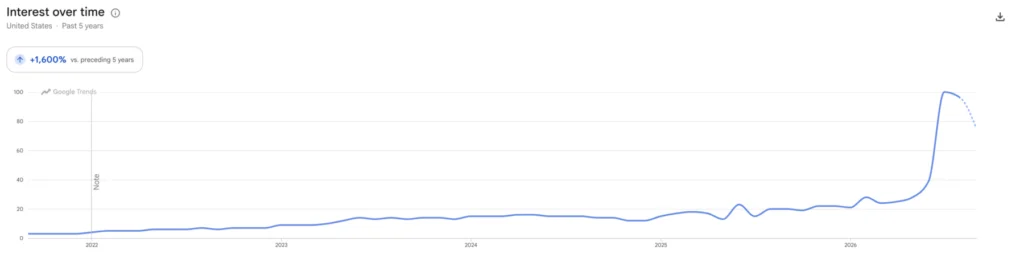
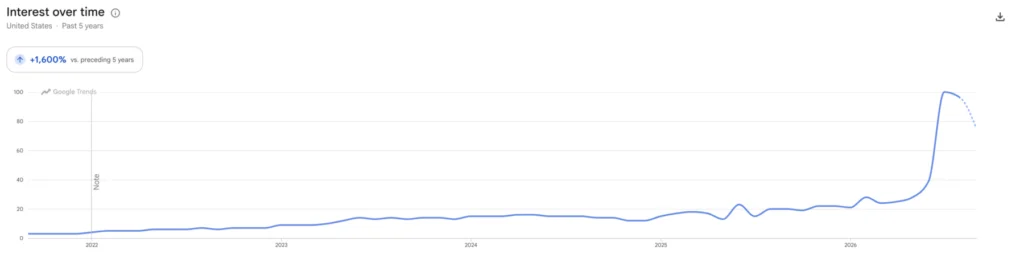
Since her investigation, the national discourse surrounding Flock and automated license-plate readers has intensified, manifesting concerns over privacy rights and possible misuse of data in arenas such as immigration enforcement. Burbank's foresight in recognizing the potential for Flock's operations to spark widespread debate around surveillance has proven prescient as the conversation escalates.
Contributions to Investigative Journalism
While acknowledging the stringent criteria set by the National Academy of Television Arts & Sciences for Emmy consideration, it is vital to underline that Burbank's work meets these standards. Her investigation not only revealed hidden truths through meticulous research but also exemplified journalistic duty to hold powerful entities accountable.
Burbank’s ability to recognize the significance of her story before it became a prominent issue in national conversations characterizes exemplary investigative journalism. She adeptly connected the dots from a local incident to broader societal ramifications, demonstrating how seemingly small decisions can contribute to systemic changes in governance and public oversight.
In closing, her concluding remark, “The story of mass surveillance and Flock Safety is one I’m just beginning to tell,” serves as a poignant reminder of the ongoing nature of this story and the importance of vigilance in the face of evolving surveillance technologies.


