Side A · Liner notes
Supply Chain Vulnerabilities Threaten the AI Investment Landscape Amid Global Crises
Banking · Words by Joseph Williams · Released
Recent geopolitical tensions are escalating supply chain pressures, particularly affecting AI infrastructure growth, as dependencies on Middle Eastern resources intensify.
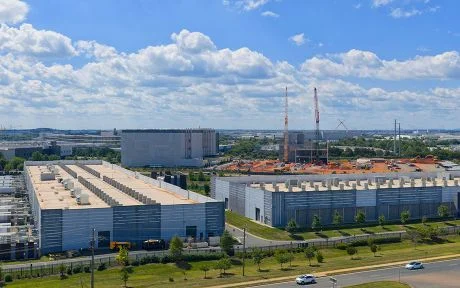
The ongoing conflict in the Middle East is significantly impacting global supply chains, marking the third major shock in recent years following the COVID-19 pandemic and Russia’s invasion of Ukraine. This situation raises concerns about price inflation and potential shortages in the United States, primarily through vulnerabilities in Asian supply chains. Southeast Asia, which is vital for supplying goods necessary for the burgeoning AI infrastructure in the U.S., is particularly dependent on energy imports from the Middle East, amplifying risks associated with current supply chain dynamics.
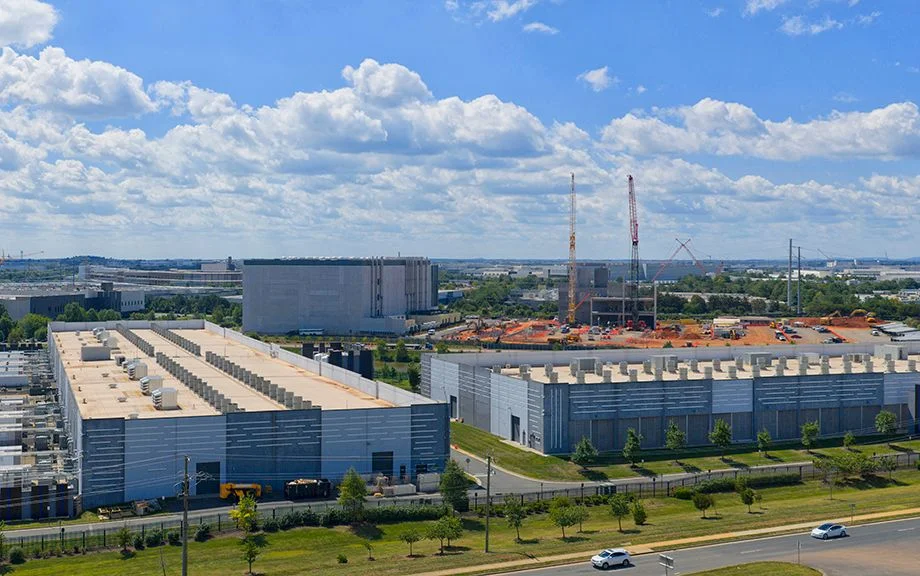
Magnitude of Current Supply Strains
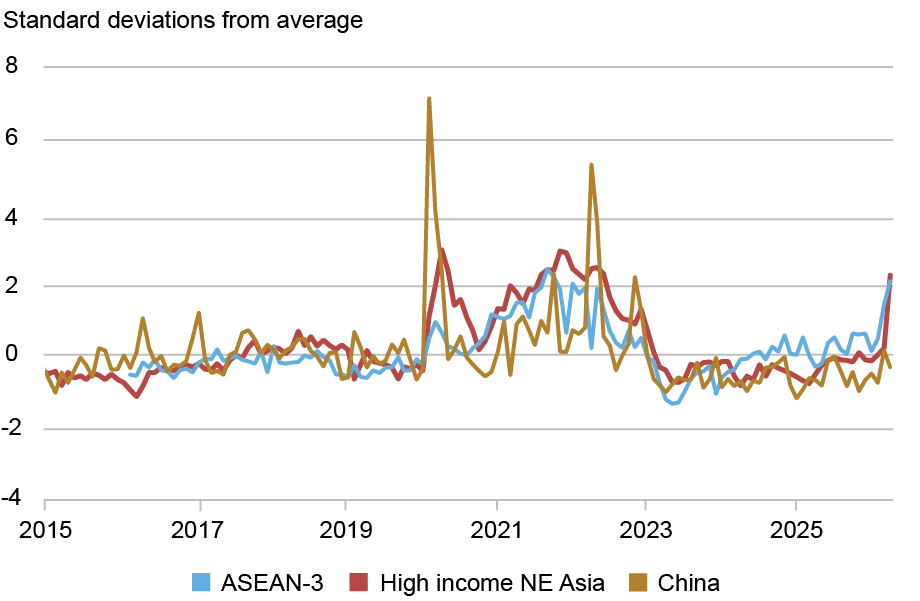
The conflict has effectively resulted in the closure of the Strait of Hormuz (SOH), a crucial passage that handles about 20% of global crude oil and around 25% of liquefied natural gas (LNG) exports. This disruption has broader implications beyond just energy markets. Evidence from the New York Fed’s Global Supply Chain Pressure Index (GSCPI) illustrates this, with the index rising by 1.3 points over two months to reach 1.8 standard deviations above its historical average.
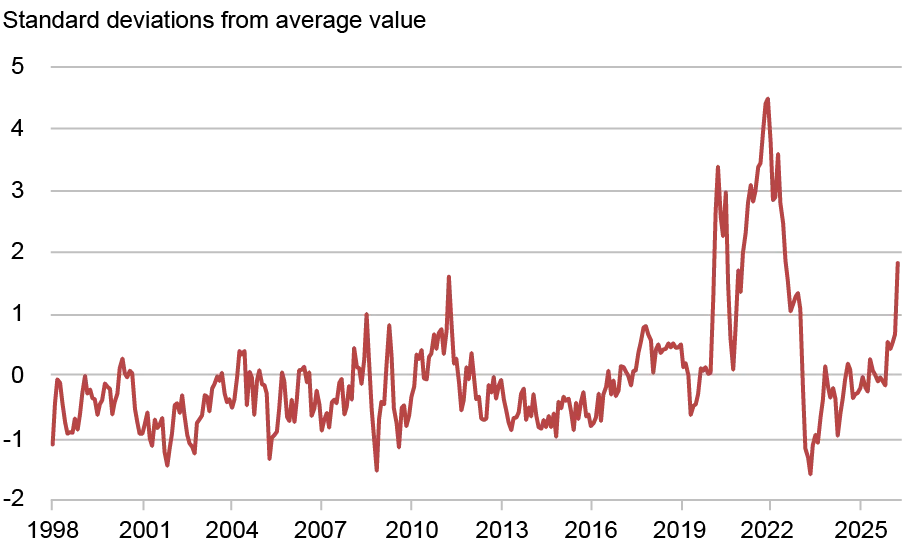
The GSCPI relies on various manufacturing metrics, including delivery times and order backlogs, reflecting stress that predates the ongoing conflict, likely attributable to a surge in AI-related investments. Factors driving the index upwards include extended delivery timelines and mounting order backlogs, indicating a significant strain in global supply chains.
While the current GSCPI increase pales in comparison to the unprecedented peaks seen during the pandemic, it has experienced one of the steepest rises outside those peak periods. Importantly, the GSCPI may not fully encapsulate specific geographic and industry-related stresses currently plaguing supply chains. Research highlights that supply-inflation dynamics can be nonlinear, meaning that even spikes below pandemic levels can trigger significant inflationary responses.
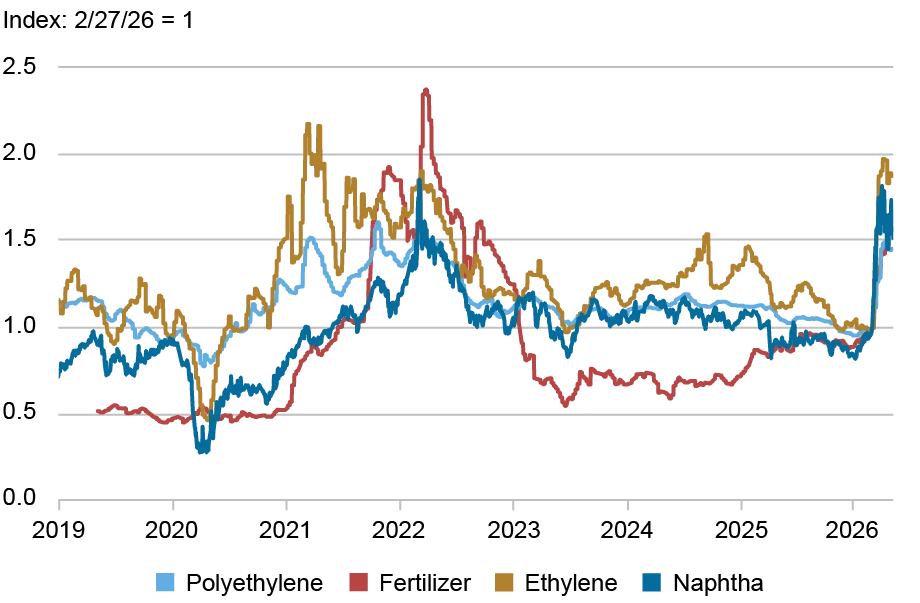
Prolonged geopolitical tensions have affected a broader range of supply chains, extending into the petrochemical sector, which is integral to various goods—from fertilizers critical to global food supplies to composites essential for high-tech manufacturing, including AI technologies. This multifaceted market dynamic is illustrated by the drastic increases in prices for petrochemicals, primarily due to heavy demand and recent disruptions.
Petrochemical Prices on the Rise
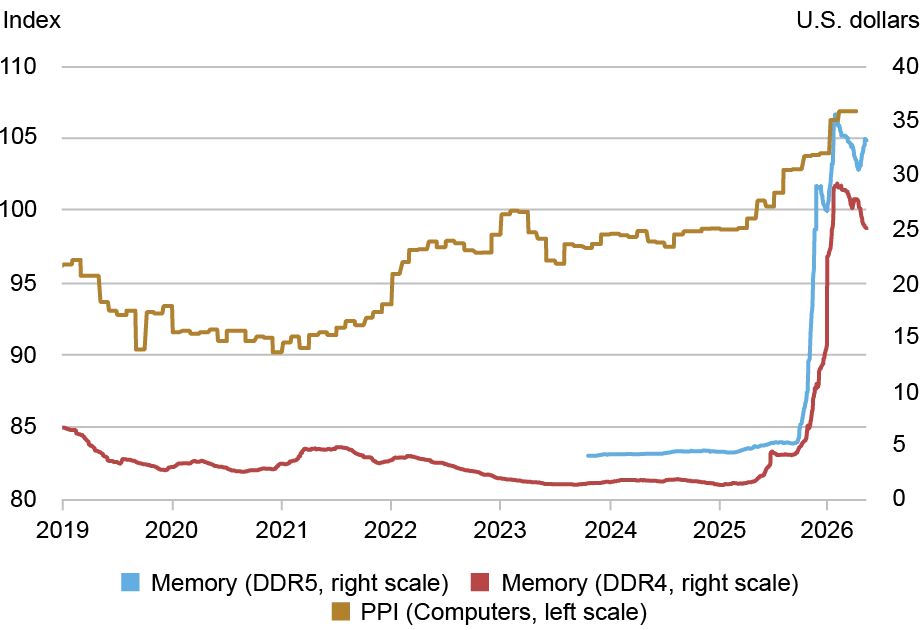
The prices of essential petrochemical products have surged in recent weeks, notably impacting plastics and other materials used across multiple industries. Media attention has been particularly drawn to the so-called “plastic shock,” reflecting extensive ramifications across manufacturing sectors. Even before the current crisis, the AI investment boom had kickstarted upward trends in computer memory prices, while producer prices for electronics were steadily climbing, suggesting a heightened vulnerability within the high-tech supply chain.
A notable worry is lurking for semiconductor production, which heavily depends on helium—a significant portion of the world’s helium resources are transported through the Strait of Hormuz. Shortages in helium could exacerbate challenges within the semiconductor supply chain, putting further strain on technologies essential for AI advancement.
Vulnerabilities in Asian Supply Chains
Although supply disruptions so far have predominantly manifested through rising prices, the potential for acute shortages looms large. Asia, particularly reliant on Middle Eastern petroleum products, is vulnerable to further upheavals in its manufacturing supply chains. Countries like Thailand heavily depend on imported LNG for power generation, posing risks of electricity shortages that could curtail factory operations. Increasing costs for logistics are already evident, as reduced supplies of diesel and jet fuel impact the cost structures of transportation for both goods headed to factories and those shipped to ports.

According to data from the U.S. Energy Information Administration, different countries in Asia boast varying levels of petroleum stockpiles, influencing the timing and extent of supply chain impacts. For instance, China holds substantial crude oil reserves, enough to cover imports for nearly nine months, while high-income markets like Japan and South Korea maintain reserves covering around six months. In contrast, some ASEAN nations have much lower reserve levels, with Thailand and the Philippines holding inventories that could last roughly three months.

U.S. Exposure to Asian Disruptions
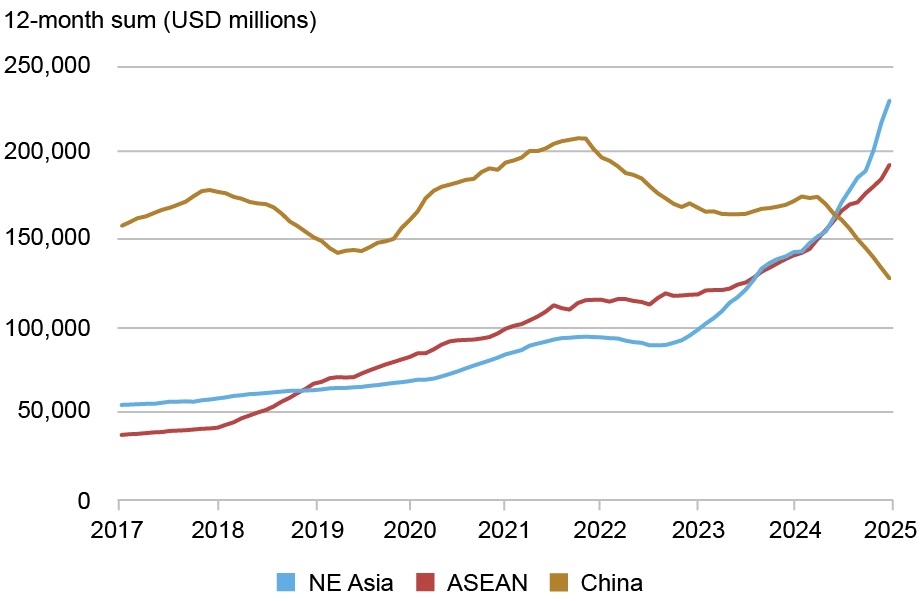
Despite high inventory levels in countries like China and Japan providing some buffer against immediate shortages, U.S. markets remain at risk. The integration of ASEAN nations into the Asian manufacturing ecosystem heightens the potential for rapid spillover effects; U.S. imports from ASEAN surged approximately 46% since the beginning of 2024. This growth trajectory includes significant increases in essential components for AI infrastructure, such as networking equipment vital for data center expansion.

Current purchasing manager survey indices demonstrate heightened supplier delivery times in Asia, excluding China, indicating that pressures are mounting in critical manufacturing areas. As suppliers struggle to respond to demand, the implications may extend well beyond traditional goods to include components necessary for high-tech and AI solutions, contributing to longer lead times and increased costs.
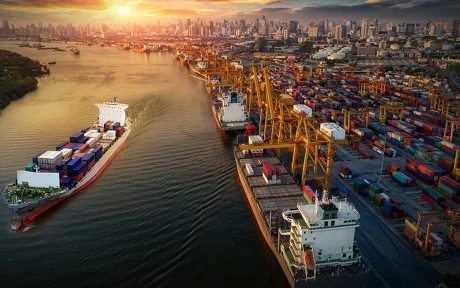
The Rise of ASEAN in Supply Chains
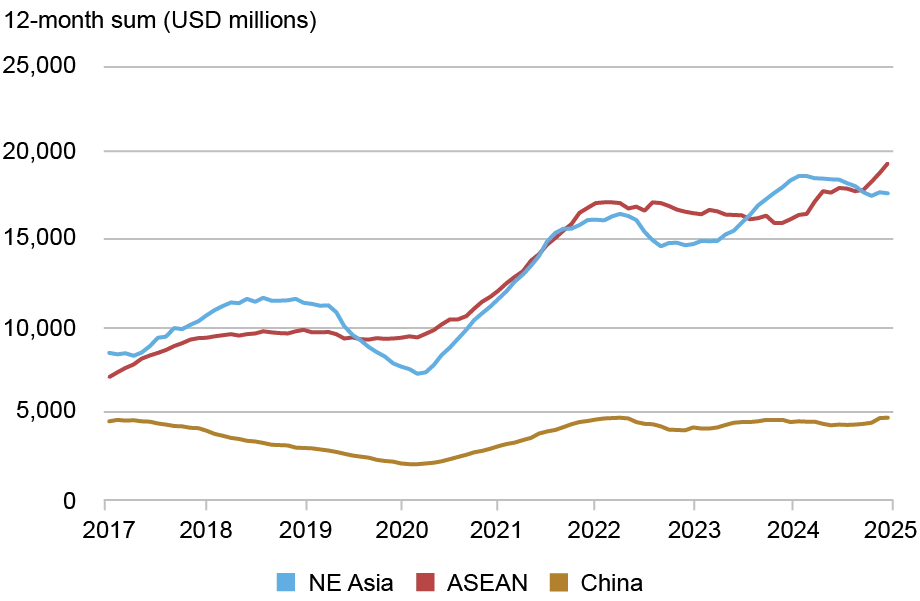
Notably, ASEAN's position as a U.S. supplier is increasingly critical, especially for AI investments. Recent data show that goods exported from ASEAN to the U.S., categorized as especially vulnerable to supply shocks, are on par with similar exports from northeast Asia, even surpassing those from China. This stark shift in trade dynamics underscores the growing dependence on ASEAN for components necessary for technological advancement.
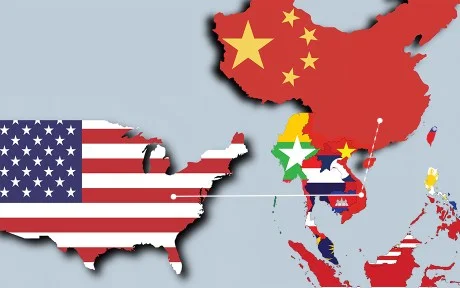
The current geopolitical climate consequent to the conflict can already be felt considerably in key sectors of the U.S. economy where input costs have surged. Given the strategic importance of ASEAN as a supplier, monitoring energy vulnerabilities and the flow of important products—laptops, memory chips, and networking hardware—will be crucial for understanding potential supply chain risks in the near term.
Conclusion and Future Implications
With U.S. imports of both consumer electronics and AI infrastructure components increasingly sourced from ASEAN, price shocks stemming from supply disruptions in the Middle East could lead to cascading effects, resulting in higher input costs and potential shortages of critical technology. Stakeholders should remain vigilant, observing how these geopolitical tensions continue to shape energy prices, affecting operational capacities and ultimately the economic landscape surrounding AI investments.
The dynamic nature of global supply chains and the intricate dependencies that characterize them underscore a broader risk framework that investors and decision-makers must navigate in the coming months.


