Side A · Liner notes
Market Implications of Rising AI Investment and Economic Sentiment
Economy · Words by Michael Batnick · Released
Increasing investments in AI are raising concerns about potential market corrections, with historical trends suggesting a cautious outlook for investors.
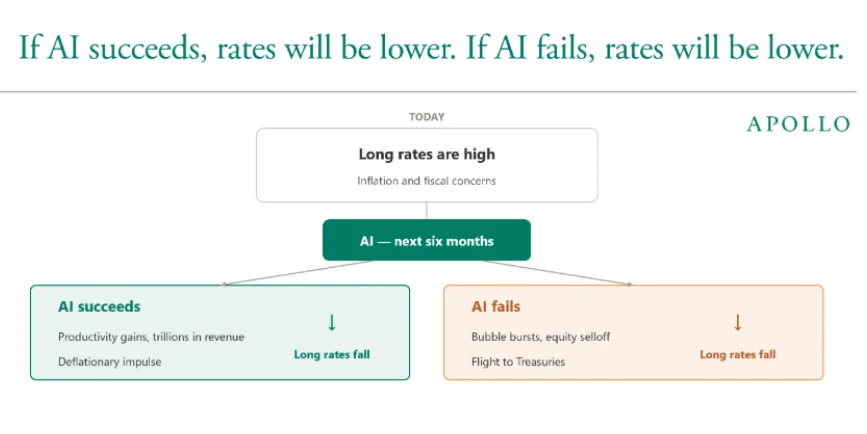
As businesses double down on artificial intelligence (AI), there’s mounting speculation regarding whether this surge in investment is setting the stage for the next significant market shift. The conversations surrounding this topic have taken a more urgent tone, particularly when juxtaposed with historical patterns of economic sentiment and asset valuations.

AI Investment Surge: Historical Context
Historically, major technological advancements drive capital allocation shifts, as seen during the dot-com bubble and the housing market boom prior to the 2008 financial crisis. Presently, the focus on AI is reminiscent of those periods, where optimism could potentially cloud judgment. For instance, according to a recent analysis by Barron’s, some experts suggest we might be facing an “AI Capital Expenditure Bubble,” paralleling events from the past 250 years of market history. This suggests a critical need for investors to temper enthusiasm with skepticism.

A prominent factor to watch is how corporations adapt their capital expenditures in response to increasing operational costs and inflationary pressures. For instance, the historical correlation between aggressive investment in tech and subsequent market corrections poses a risk that should not be overlooked. In prior market cycles, such enthusiasm often led to overvaluation within sectors that later faced rebuke from market realities.

Shifts in Consumer Sentiment
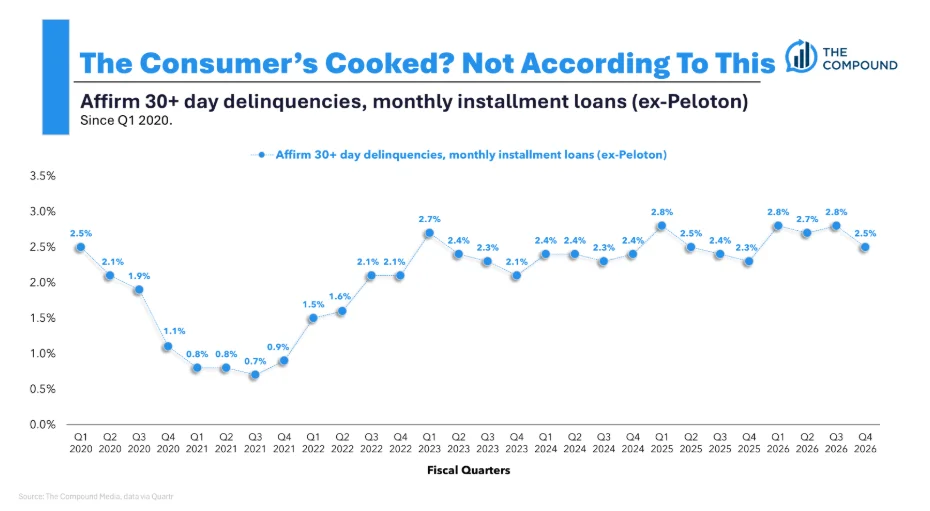
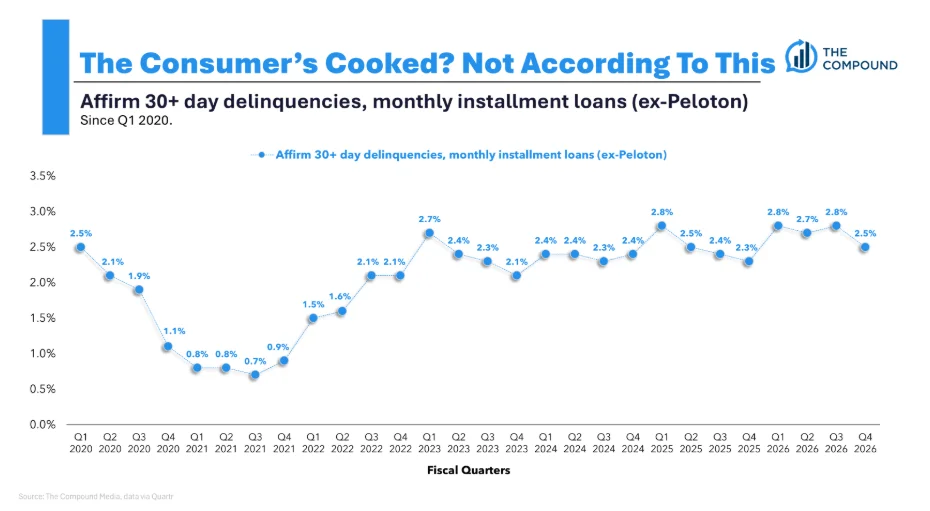
Interestingly, alongside the investment boom in AI, there’s been a shift in consumer sentiment concerning discretionary spending. According to a recent report from Bloomberg, many Americans are experiencing guilt over spending choices, particularly on leisure activities. This guilt may stem from an underlying economic concern that is not yet fully realized in consumer spending data. The combination of economic anxiety and rising expenses could create headwinds for consumer-focused businesses that have relied on a buoyant spending environment.

This consumer sentiment is vital; if households begin to prioritize savings over discretionary spending, it will impact companies' earnings forecasts, creating ripple effects across stock prices. Historically, consumer spending has been a critical driver of economic growth, and any significant changes in spending behavior can signal a reevaluation of growth targets among investors and analysts alike.
Long-term Employment Trends in AI
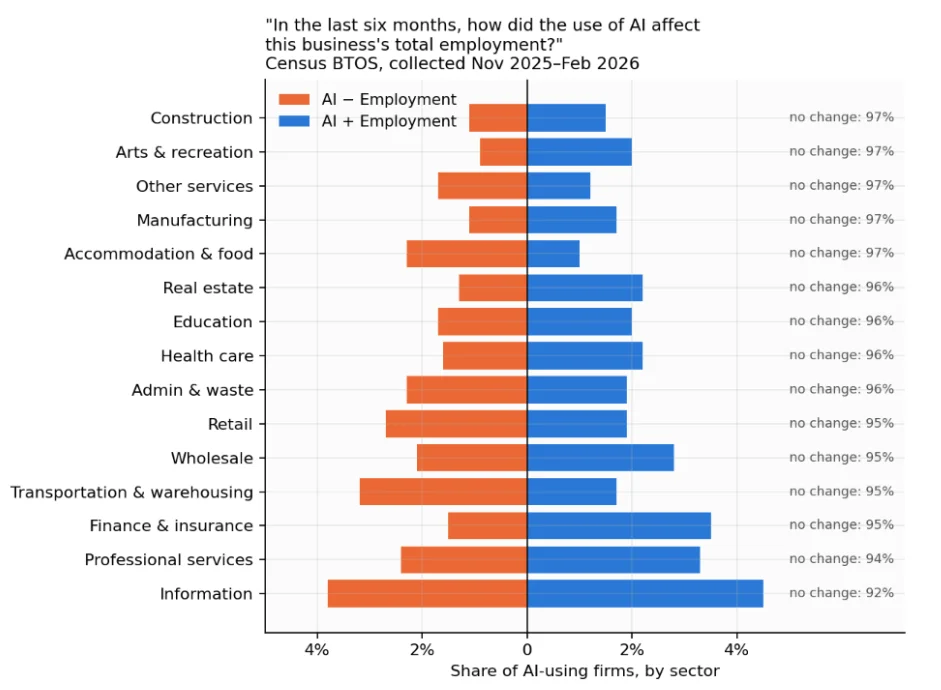
The employment landscape is yet another critical area to examine. As AI technologies advance, questions arise about their impact on job markets. For now, reports indicate that employment numbers remain stable within the tech sectors employing AI solutions. However, a recent article from Marginal Revolution reflects on concerns that as AI becomes more integrated, job displacement could occur without parallel growth in new job creation.
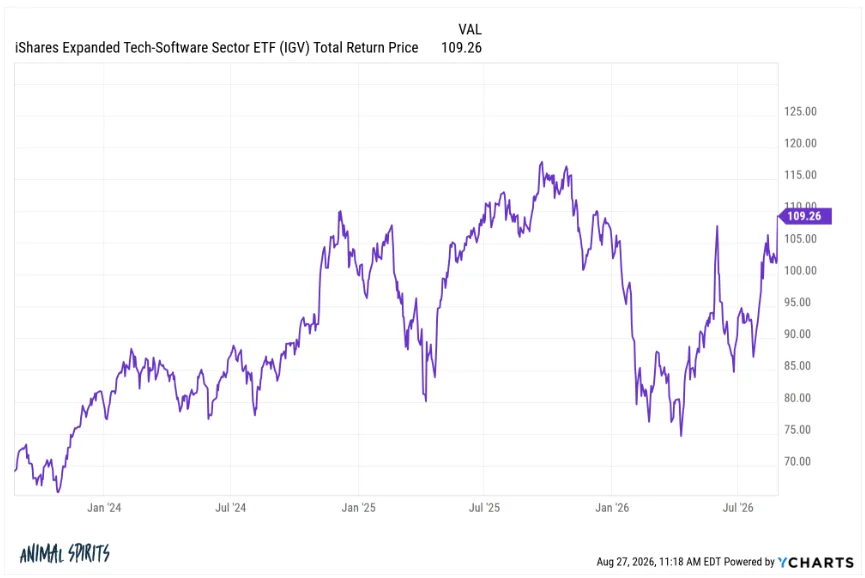
The balance between job creation and displacement will be an essential factor for the economy’s overall health. A sustainable job market will support consumer spending and drive overall economic growth. If fear dominates over the potential benefits of productivity increases from AI integration, it could dampen consumer sentiment further, leading to an economic slowdown, which investors should monitor closely.
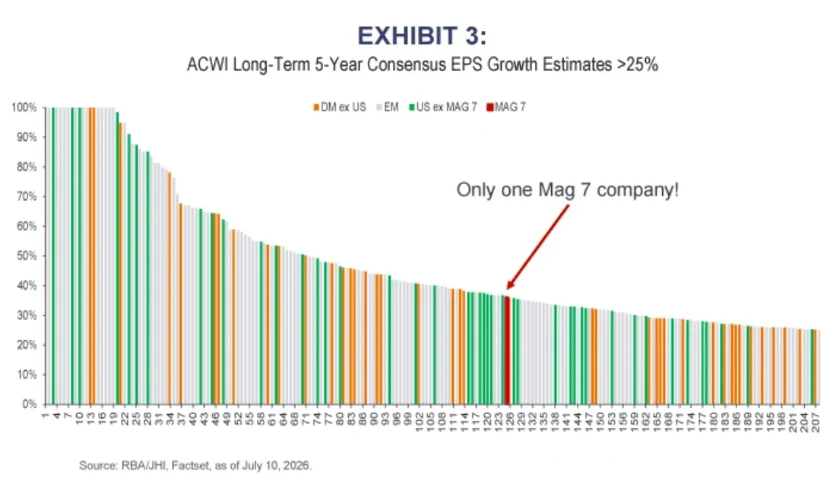
Investment Strategy Considerations
For finance professionals, the evolving risks associated with AI investment require a nuanced approach to portfolio management. Diversification remains a fundamental strategy to mitigate risks—considering not just sector exposure but also geographic and asset type diversification. As we’ve seen in past market cycles, emerging technologies bring both opportunities and threats. The potential for dramatic changes in profitability within sectors heavy on AI creates an environment where risk assessments must be recalibrated regularly.
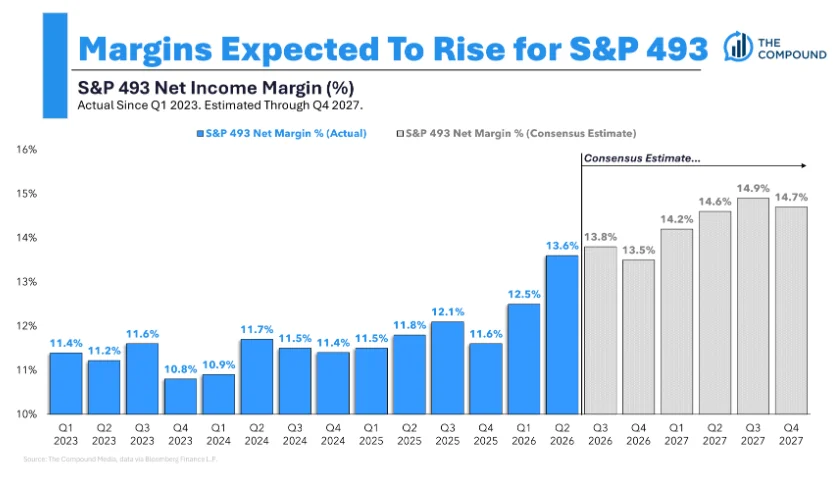
Moreover, as historical data suggests, no asset class is immune to the fluctuations driven by shifts in technology. The pattern of investors flocking toward innovations can lead to inflated valuations that don't rest on sustainable ground. Thus, keeping an eye on metrics like price-to-earnings ratios in the tech sector is essential for informed investment choices.
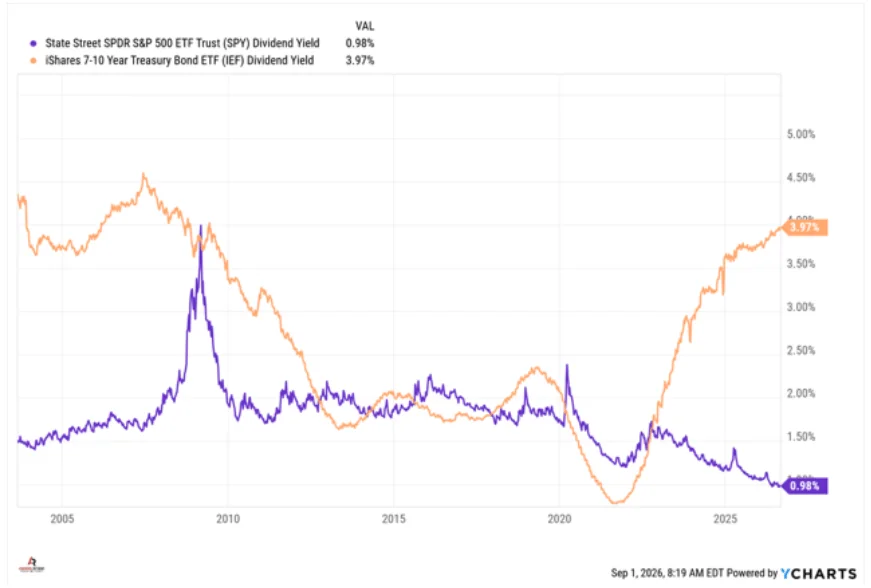
Looking ahead, while AI presents exciting growth possibilities, it’s crucial for investors, founders, and financial professionals to remain aware of potential pitfalls. As we've learned from history, the euphoria surrounding innovations can lead to drastic corrections when market optimism runs too high.
Conclusion: What to Watch Next
In summary, the interplay between advancing technology like AI and consumer sentiment will shape market dynamics moving forward. Given historical parallels, it’s prudent for stakeholders to remain vigilant and adaptive to market conditions, especially as signs of economic strain or shifting consumer behaviors emerge. The long game in investing requires recognizing both the potential and the inherent risks that come with rapid technological advancements.