Side A · Liner notes
Understanding the Decline in IPOs: Market Dynamics and Future Implications
Markets · Words by Michael Batnick · Released
The slowdown in initial public offerings (IPOs) is a complex problem driven by high valuations, market concentration, and changing investor behavior.
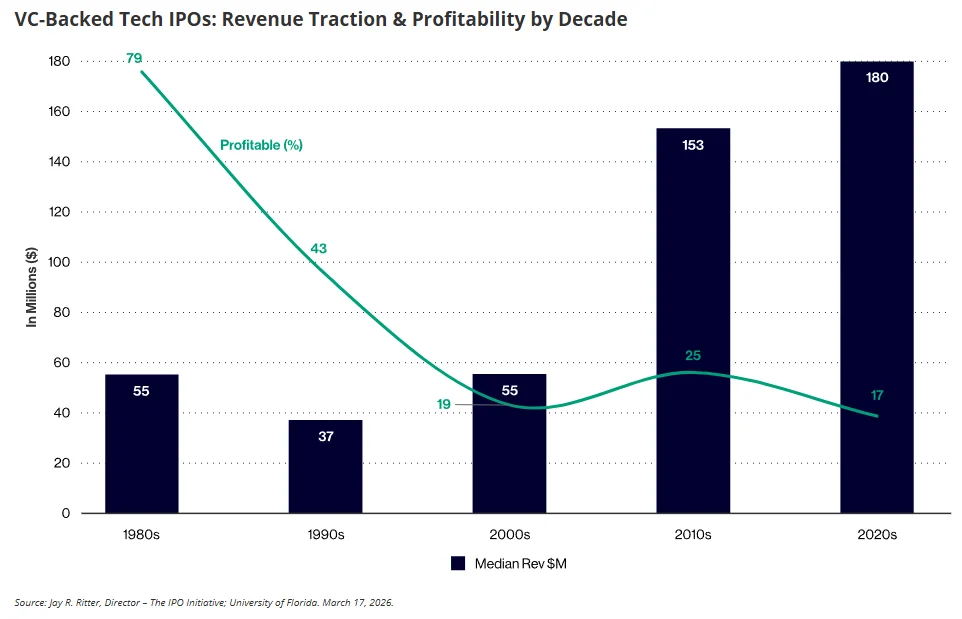
The current climate for initial public offerings (IPOs) raises important questions for investors, founders, and finance professionals alike. In recent years, the number of IPOs has tapered significantly, particularly when compared to the frenzied environment of 2021. This decline offers an opportunity to explore the factors influencing the market and the broader implications for startups, investors, and the economy.

Disconnected Valuations in 2021
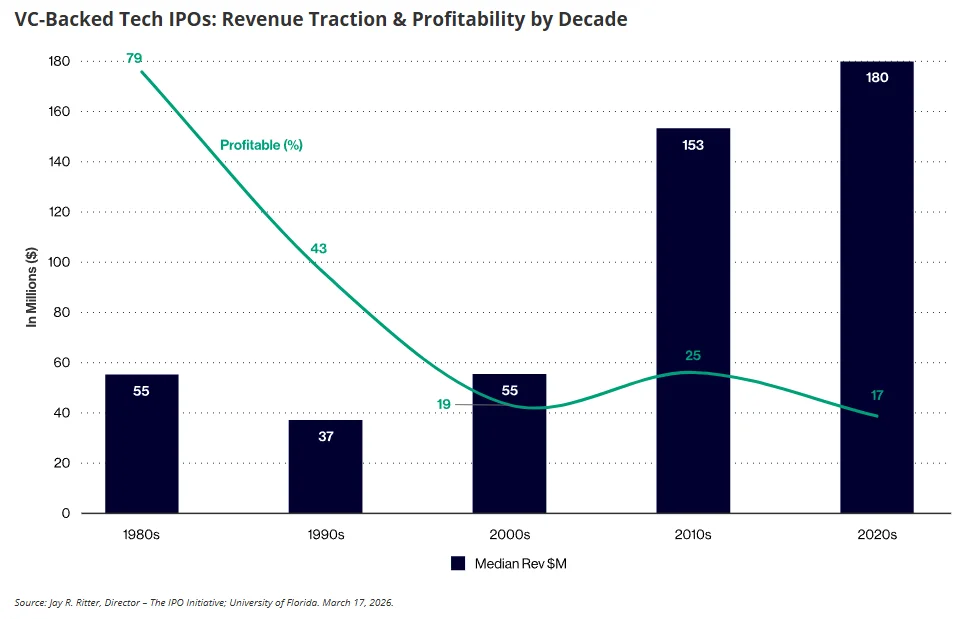
During 2021, the IPO market experienced a surge, characterized by extreme valuations, particularly for late-stage startups. A combination of favorable market conditions, abundant liquidity, and strong investor demand created an environment where valuations often exceeded realistic expectations. For instance, companies like Rivian and Affirm went public at valuations that many analysts deemed unsustainable based on traditional financial metrics.

This period of inflated valuations led to significant volatility post-IPO, where many stocks dropped dramatically from their initial offering prices. As a result, investors became more cautious, decreasing their appetite for new public offerings. In sharp contrast to 2021, the IPO landscape in 2022 and 2023 has seen notable disengagement, with companies opting to remain private longer to avoid volatile public valuations.

AI and Reindustrialization: A New Capital Dynamic
The rise of artificial intelligence and reindustrialization is redistributing capital. Companies that leverage AI effectively are capturing a disproportionate share of investments, leading to a further concentration of capital into a few standout winners. This trend highlights that startups in sectors tied to AI can secure funding more easily than those without clear technological advantages.
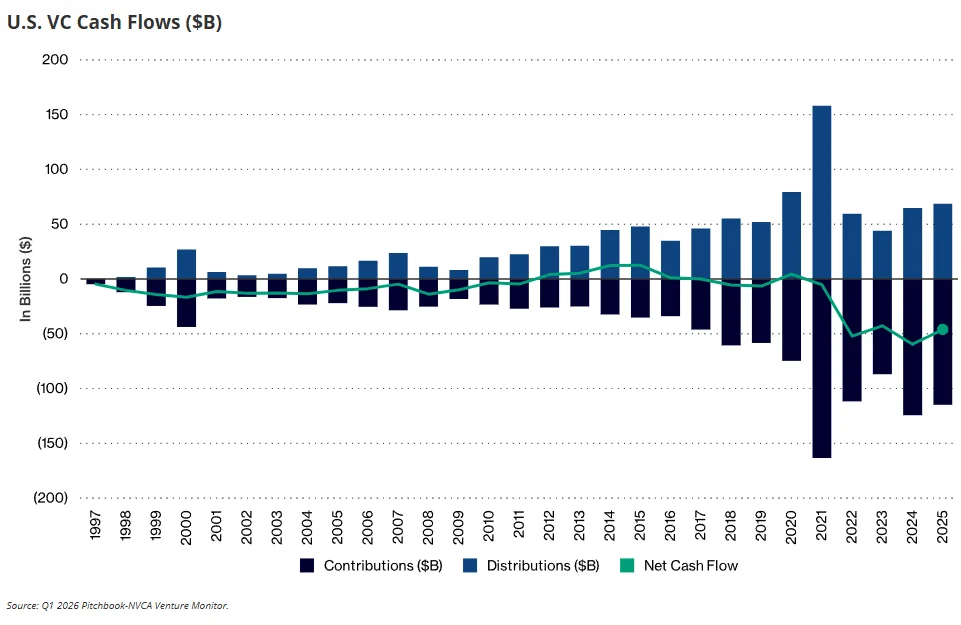
Moreover, the consequences of this capital concentration extend beyond just funding. It creates a competitive disadvantage for companies that may not have the necessary resources or technology to thrive in this evolving landscape. Thus, for aspiring IPO candidates, differentiating through technological adoption and strategic partnerships may become essential for survival.
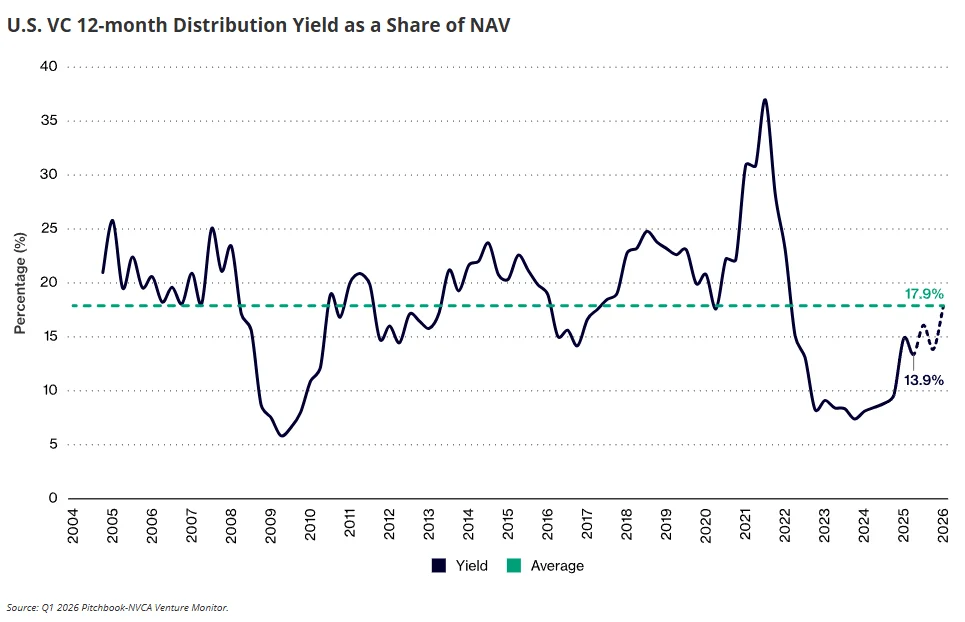
Unicorns Biding Their Time
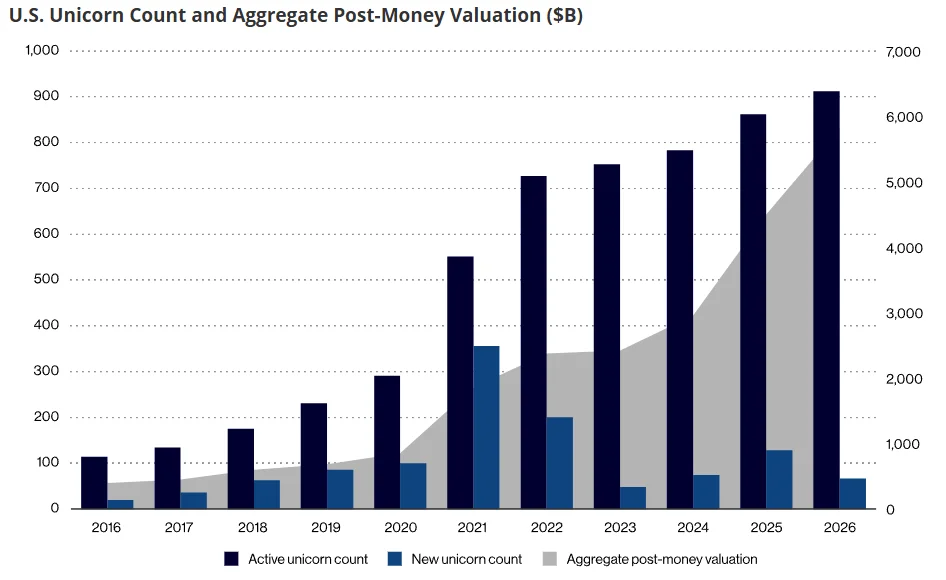
Another notable trend impacting the IPO landscape is the tendency for unicorns—startups valued at over $1 billion—to delay going public. Many founders and venture capitalists have opted to keep their companies private, primarily to capitalize on favorable private market conditions instead of exposing themselves to the risks and scrutiny associated with public markets.
This phenomenon signifies a shift in mindset among early-stage investors, who are increasingly focused on the long-term growth potential rather than the immediate valuations that come with going public. Consequently, the wait for a robust IPO market may stretch on, as many unicorns evaluate their readiness against market conditions, peer performance, and economic indicators.
The Role of Secondary Markets
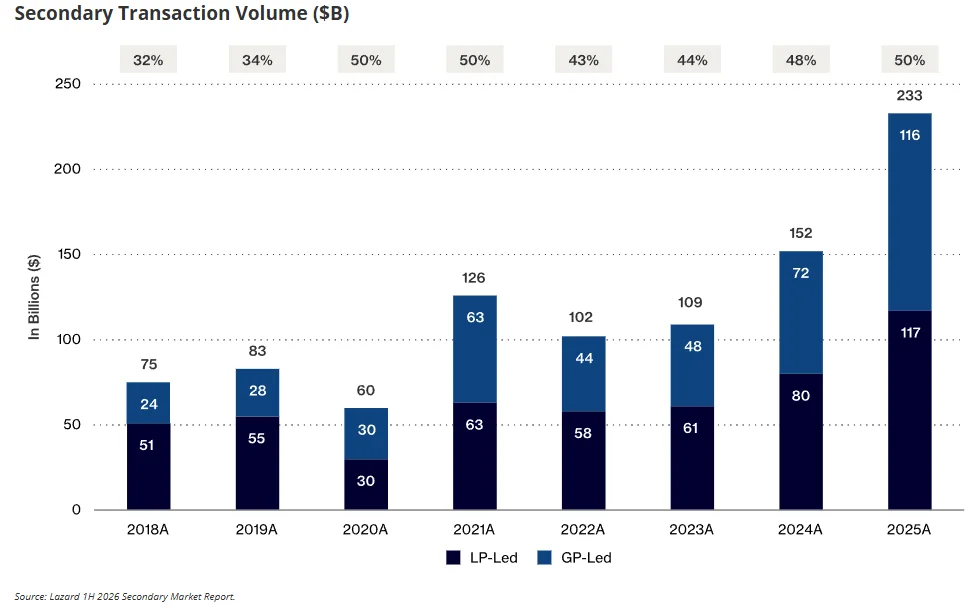
With unicorns staying private for extended periods, secondary markets have emerged as a pivotal release valve for locked-up capital. These markets allow early investors, employees, and insiders to sell their shares before an IPO, creating liquidity opportunities without the need for a public listing. This advancement reflects a broader trend of private equity and venture capital adapting to the demands of a more cautious investment climate.
Moreover, secondary transactions offer visibility into the valuations of these private companies, albeit often at discounts compared to their inflated 2021 valuations. This type of dynamic can help inform the value proposition for impending IPOs, providing a bench-marking tool for both companies and potential investors.
The Open-Source AI Framework
An additional layer to this conversation is the place of open-source models within the AI ecosystem. Companies leveraging open-source frameworks can reduce costs and foster innovation at a rapid pace. This not only decreases the barriers to entry for startups, enabling more players to emerge but also reshapes competitive dynamics in the market as these companies can potentially disrupt established players.
This increasing reliance on open-source technology could democratize access to robust AI solutions, thus lowering the operational costs and technological dependency that once favored incumbents. Investors would do well to watch how this trend unfolds as it could reframe the fundamentals of capital distribution in tech-centric industries.
Final Thoughts
The current decline in IPOs reflects a confluence of factors, from valuations and investor sentiment to technological advances in AI. As conditions evolve, stakeholders must keep an eye on how these dynamics impact both established and forthcoming companies. The upcoming months may reveal how strategic decisions regarding private versus public funding will affect the long-term health of startups and the investing landscape.
Addressing these changes proactively—whether through seeking alternative funding paths, engaging in secondary markets, or adapting technology strategies—will be crucial. For investors, understanding these trends will be significant in navigating an increasingly complicated market environment.


