Side A · Liner notes
Examining Price as a Critical Factor in Investment Strategies
Investing · Words by Michael Batnick · Released
This discussion explores the importance of price in investment decisions, the dynamics of momentum, and the challenges of planning for market shifts.
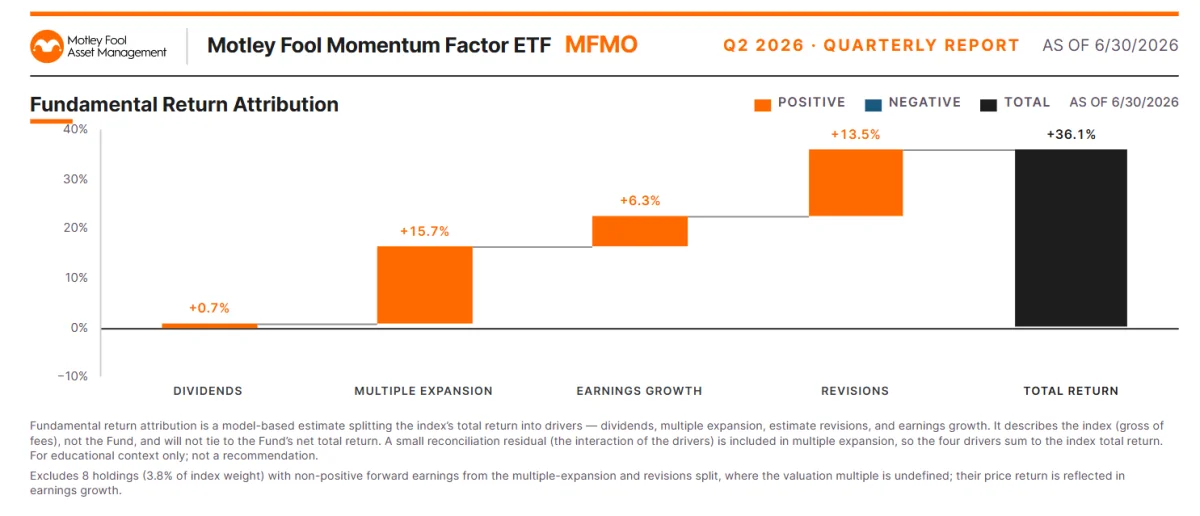
In the world of investing, price is often underscored as a critical driver of success, yet many investors tend to overlook this fundamental aspect. Today's dialogue emphasizes how price influences investment momentum and its psychological effects on market participants. This scrutiny arises amidst a broader conversation about the varying approaches to asset allocation, notably between value investing and momentum strategies.

Momentum vs. Value: A Comparative Analysis
Research and historical trends suggest that momentum investing—capitalizing on existing market trends—may be under-allocated compared to traditional value investing. During periods of heightened investor optimism or bullish markets, momentum strategies can outperform because they latch onto prevailing trends, yet they can also increase exposure to downside risks. Value strategies, conversely, hinge on identifying undervalued assets, often resulting in a more measured risk profile. Understanding how these strategies perform in different market environments can help investors reassess their approaches.

The Noah Principle: Preparing for Market Floods
A thought-provoking concept referenced is the Noah Principle, which posits that in periods of market calm, investors often neglect to prepare for inevitable downturns. This principle serves as a cautionary reminder that while the sun may shine in a prosperous market, shifts in conditions can come swiftly. Investors' emotions may cloud their judgment, causing them to discount critical signals that warrant caution. Historical evidence suggests that during market highs, complacency can rise, leading to abrupt adjustments when reality sets back in.

The Role of Technology and Herding Behavior
In an age dominated by technology and social media, the proliferation of shared AI tools fundamentally alters how information spreads and how quickly market sentiments can shift. This brings to light the potential for increased herding behavior—where investors collectively drive trends without independent assessment. While shared insights can foster community-driven investment decisions, they may inadvertently lead to an amplified momentum effect, regardless of the underlying fundamentals. The risks of following the herd can be seen when market euphoria reaches unsustainable heights, ultimately resulting in substantial corrections.
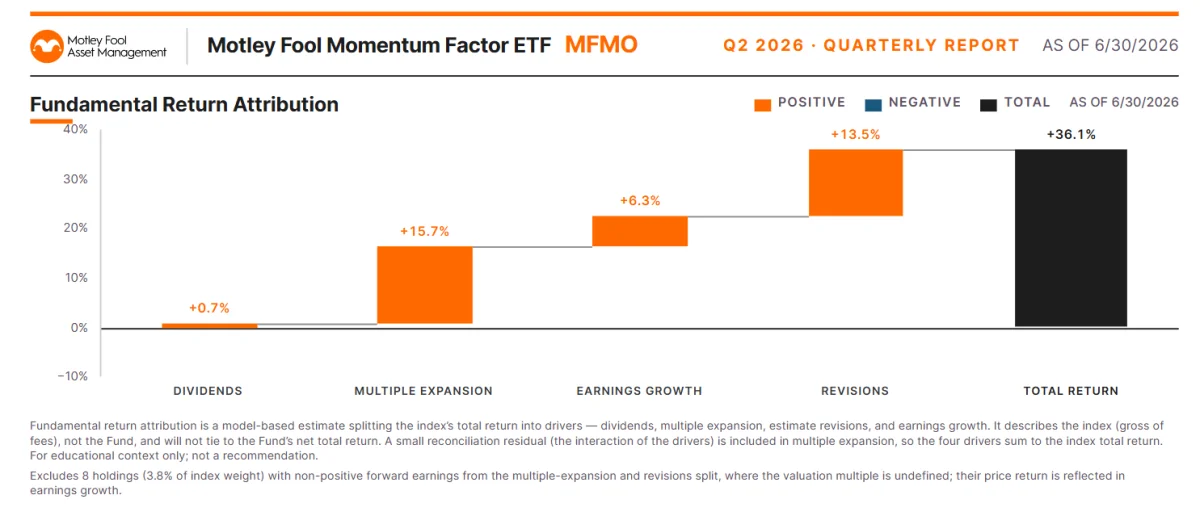
The Chameleon Nature of Momentum
Momentum has a unique capacity to adapt to whatever trends are gaining favor in the market. It shifts fluidly, akin to a chameleon, adjusting its appeal to different sectors and styles as investor preferences evolve. Such adaptability can attract short-term gains, but it also introduces volatility as market sentiment changes. Investors must be cognizant of when momentum starts favoring certain assets, as these movements can signal broader shifts in market perception or economic conditions.
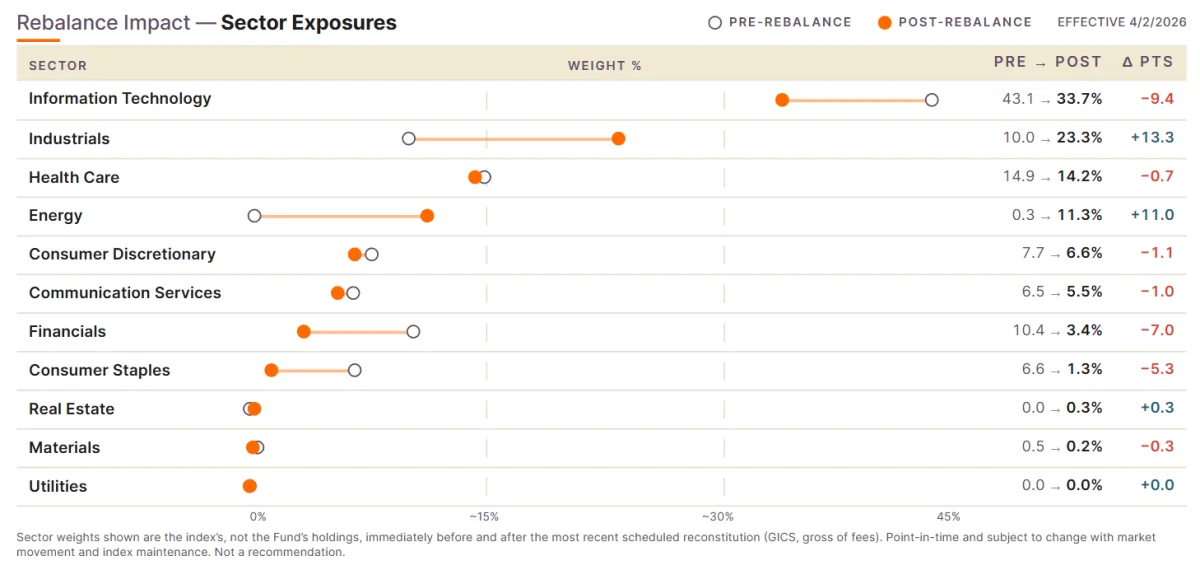
Market Dynamics and Future Considerations
The ongoing discourse encourages investors to reevaluate their focus on price as a primary consideration in their investment strategies. While analyzing technical indicators and market conditions, attention must be paid to the inherent risks tied to emotional responses and market psychology. As volatility may become more pronounced in shifting markets, understanding the interplay between price, momentum, and value can provide a clearer picture for investment decisions.
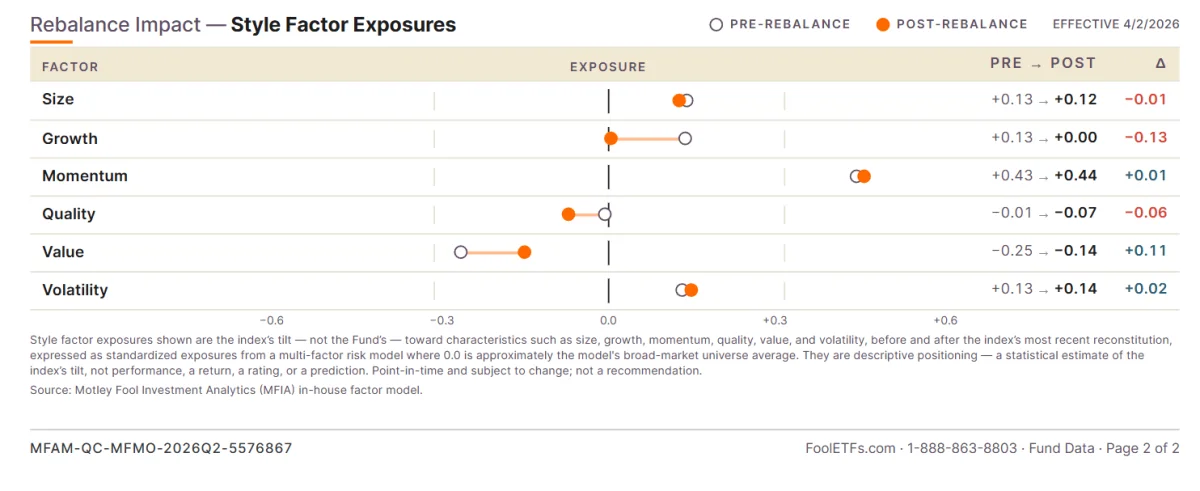
Who Stands to Gain or Lose?
The implications of these investment strategies extend beyond market participants to shareholders, employees, and customers. For shareholders, a focus on price and momentum could yield immediate financial benefits, but potential risks loom if trends reverse. Employees may feel the effects of fluctuating stock prices as company valuations change, altering job security and growth opportunities. Customers might encounter variability in product offerings or services based on a company's financial health and stock performance. Thus, the interplay between price dynamics and broader market behaviors impacts various stakeholders.
Ultimately, while price might seem like a straightforward metric, its influence permeates deeper than surface-level analysis. Investors are encouraged to remain vigilant, weighing the psychological and contextual factors that shape market conditions and investment outcomes.


