Side A · Liner notes
Understanding Apple's Legacy Through David Pogue's Comprehensive Retrospective
Investing · Words by Bob Lefsetz · Released
David Pogue's "Apple: The First 50 Years" provides an in-depth look at Apple's history, culture, and technological innovations, revealing the company's impact on personal computing.
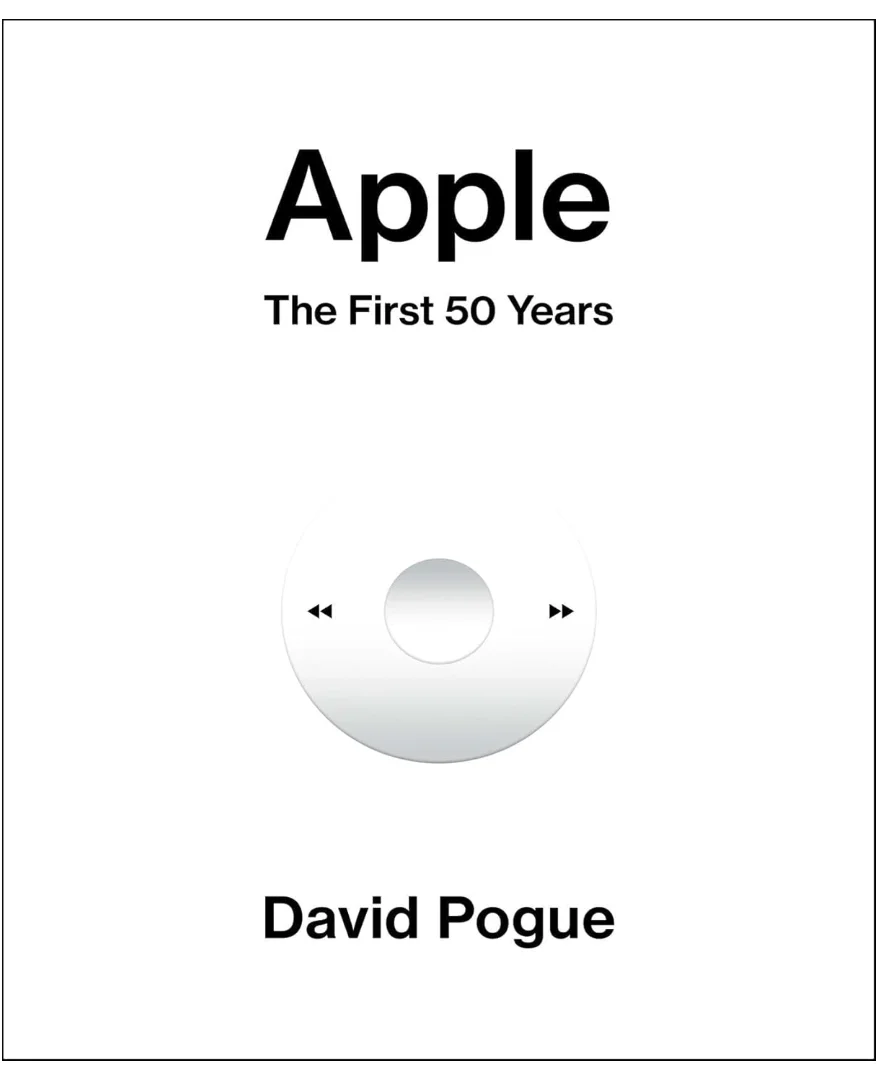
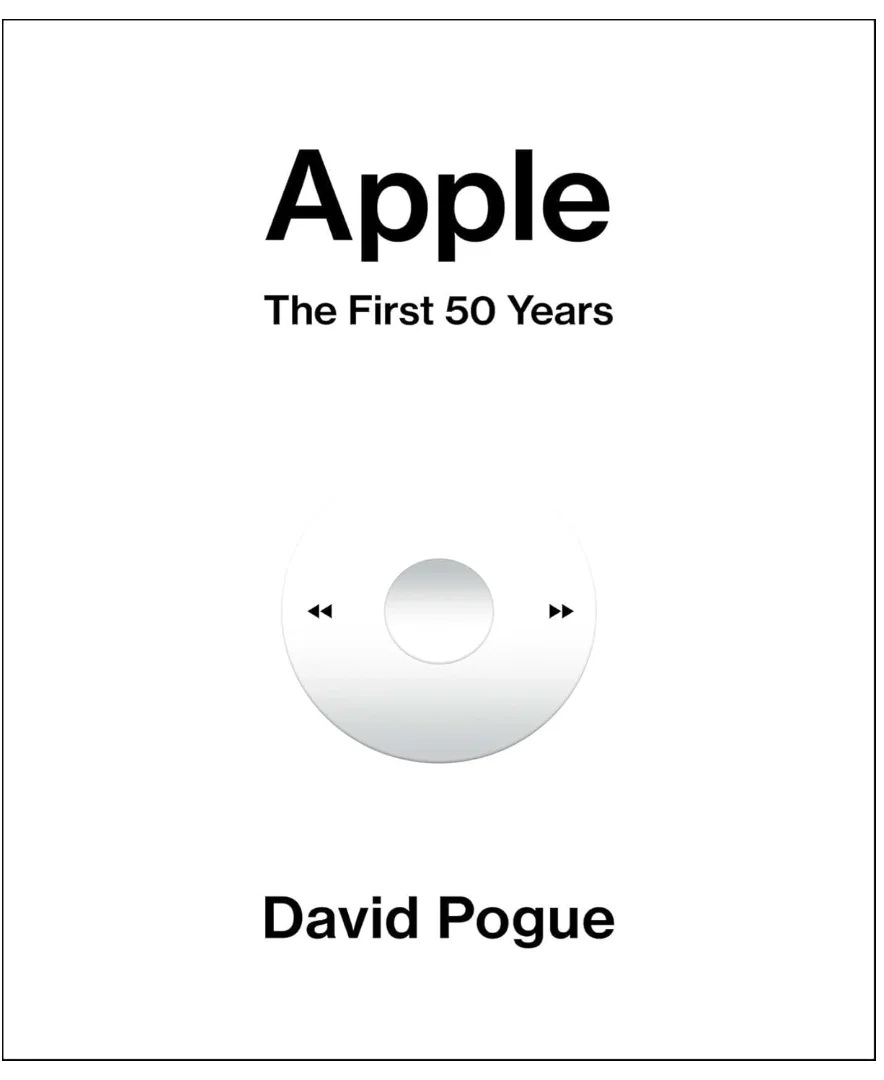
David Pogue's book, Apple: The First 50 Years, offers a detailed narrative of Apple's evolution, focusing on the company's significant milestones and the cultural shifts surrounding its innovations. Designed primarily for Apple enthusiasts and professionals, this tome takes readers on a journey through the company's formative years, the struggles, the triumphs, and the visionary leadership that shaped its trajectory.
Early Days of Apple and the Macintosh Revolution
Pogue's exploration begins with Apple's foundational moments, particularly highlighting the underappreciated Apple I and the revolutionary Apple II. The latter became the backbone of Apple’s financial success during the early Macintosh years. Interestingly, the narrative resonates with readers who have a profound connection to Apple's legacy, especially those who followed the brand from its inception. If you entered the Apple ecosystem after Steve Jobs's return, the early history might seem distant and less relevant.
Reflecting on the late 1980s, Pogue recounts his own experience with the Macintosh Plus, which was a significant upgrade over its predecessor. The contrast between the limited capabilities of early models, such as the original Mac with only 128kb of RAM, and today's powerful systems, where basic machines boast 48GB or more, paints a vivid picture of technological evolution. Early Macs, while groundbreaking, came with a set of limitations that required users to possess a greater understanding of computing technology than what is expected today.
Challenges Facing Early Users
In the early days, the lack of user-friendly interfaces and the frequent technical issues were daunting for many. Pogue's narrative acknowledges a time before the tech support structures we see now, highlighting the frustration and determination of early users who often spent hours troubleshooting their machines. The voluntary journey of learning about the intricacies of computing created a deep bond among early adopters. These challenges not only shaped their loyalty toward Apple products but also contributed to the ethos of problem-solving that defined a generation of computer users.
Apple's Journey Through Ups and Downs
One of the most poignant parts of Pogue's book deals with Apple’s struggles during the 1990s when the company faced significant challenges under CEO John Sculley. Pogue wisely contrasts Sculley’s marketing background, which was ill-fitted for the rapidly changing tech sector, with Jobs's revolutionary vision. While Sculley focused on the product's presentation, Jobs understood the innovation needed at a fundamental level.
Pogue captures the tension within Apple during these tumultuous years, from the departure of Jobs to the eventual return that would reignite the company’s creative spirit. He emphasizes the inevitable cycles of innovation and market adaptation that characterize not just Apple, but the technology industry as a whole.
Jobs's Leadership and Innovation Philosophy
Where Pogue’s narrative excels is in its portrayal of Steve Jobs as a complex figure. He describes Jobs's often combative management style and refusal to conduct conventional consumer research. Instead, Jobs aimed for the "bleeding edge" of technology, which often alienated him from the marketing-driven ethos common in corporate America. Pogue portrays this audacity as instrumental in launching trailblazing products like the iPod and subsequently the iPhone, which reshaped consumer technology and culture.
The meticulous attention to design and user experience that Jobs championed remains at the core of Apple’s success. Pogue illustrates how this philosophy permeated Apple's DNA, driving continuous innovation while retaining customer loyalty. Drawing parallels with other industries, he highlights a common theme of resistance against complacency and predictability, posing that true innovation often comes from those willing to challenge norms.
The Impact of Apple's Innovations
In describing Apple's remarkable turnaround with groundbreaking products, Pogue underscores the significance of the iPod as a transformative device, paving the way for the iPhone. The operational shifts from Motorola to Intel and, later, Apple's own in-house chip development showcase the company's forward-thinking approach, setting it apart from competitors that often react instead of anticipate market needs.
The State of Apple Today: Challenges and Future Outlook
Apple's 50th anniversary reflects not only on its past triumphs but also on the current state of its innovations. Recently, changes in product offerings have become less impactful, leading to questions about the continuation of hardware breakthroughs. Pogue delicately navigates these waters, noting that Apple's increasing revenue from services signals a shift in their business model, potentially marking the end of an era characterized by groundbreaking hardware advancements.
Despite the doubts, Pogue contemplates Apple's operational strategies and willingness to adapt. He suggests that unlike many in the entertainment sector, which tends to be reactive, Apple continually strives to position itself for the future, whether through new technologies or customer service innovations.
Lessons from the Apple Experience
Pogue's work isn't merely a chronological account; it's a reflection on lessons learned throughout Apple's trials and tribulations. Insightfully, he argues that the expertise in any field—particularly in technology and business—should never be underestimated. Throughout history, those with deep knowledge and experience have often been overshadowed by flashy personalities and marketers. Pogue prompts readers to consider the long-term consequences of this trend, advocating for the appreciation of true craftsmanship and innovation.
He also emphasizes the importance of continuous learning and ingenuity, illustrating how Apple's evolution is a testament to the power of visionaries who break the mold, regardless of industry standards. He argues that compromising vision for immediate gains can hinder long-term success, a lesson that resonates beyond the tech sector.
Conclusion: A Legacy That Inspires
As Pogue wraps up his exploration of Apple's history, he invites readers to understand the significance of the brand's ability to innovate and inspire. Although some may not fully appreciate the intricate history of computing or the specific trials faced by Apple's early team members, Pogue makes it clear that the company's story is distinctly universal. Apple has touched millions of lives, and its evolutionary history is worth understanding, even for those newer to its ecosystem.
The final takeaway from the book is a reflection on consumer habits, the allure of Apple's integrated ecosystem, and how users often remain blissfully unaware of the complexities and innovations propelling their devices. Pogue underscores this notion, suggesting that while some tech enthusiasts may crave deeper insights into the mechanics of their beloved devices, many are content merely engaging with the products.
In closing, Pogue's Apple: The First 50 Years serves as both a nostalgic journey for long-time users and a comprehensive guide for those looking to understand Apple's remarkable narrative. For anyone fascinated by technology, innovation, and business strategy, this book is more than a mere read; it’s an exploration of how a company can shape a generation and beyond.
P.S. Consider opting for the print edition over the e-book version, especially if you enjoy photography, as the book includes numerous color images showcasing Apple's journey.


