Side A · Liner notes
Assessing the Potential Economic Impact of AI Investments on the U.S. Market
Banking · Words by Michael Batnick · Released
This analysis examines the risk factors and market implications of the AI investment boom, highlighting possible economic consequences and key players affected.

The rapid advancement and deployment of artificial intelligence technology, particularly by firms like OpenAI, is raising significant concerns among market analysts and investors regarding potential economic repercussions. This boom in AI investments is closely reminiscent of the market dynamics seen in the lead-up to the 2008 financial crisis, where exuberance over new technologies fostered a wave of capital inflows. As a result, understanding the current landscape is vital for stakeholders across various sectors.

The Current AI Investment Surge
Recently, the AI sector has experienced unprecedented growth, with an influx of foreign capital akin to the fervor surrounding financial instruments leading up to the 2008 crisis. Reports suggest that global investments in AI technologies surged well above the $100 billion mark in just the first half of 2023, indicative of aggressive market speculation and a race among tech companies to secure their foothold in the sector.

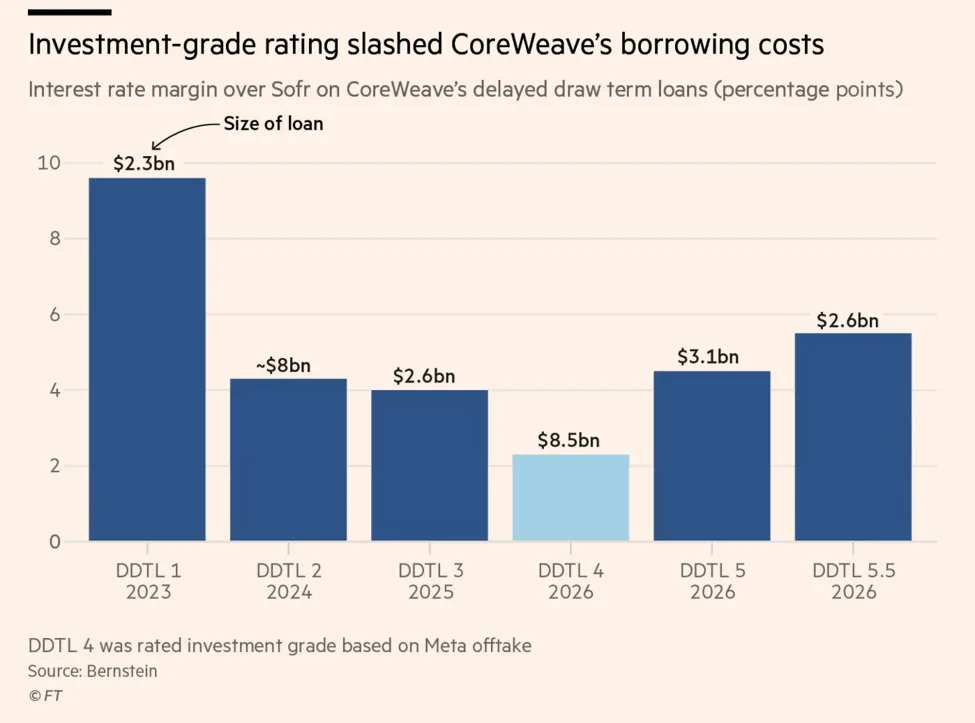
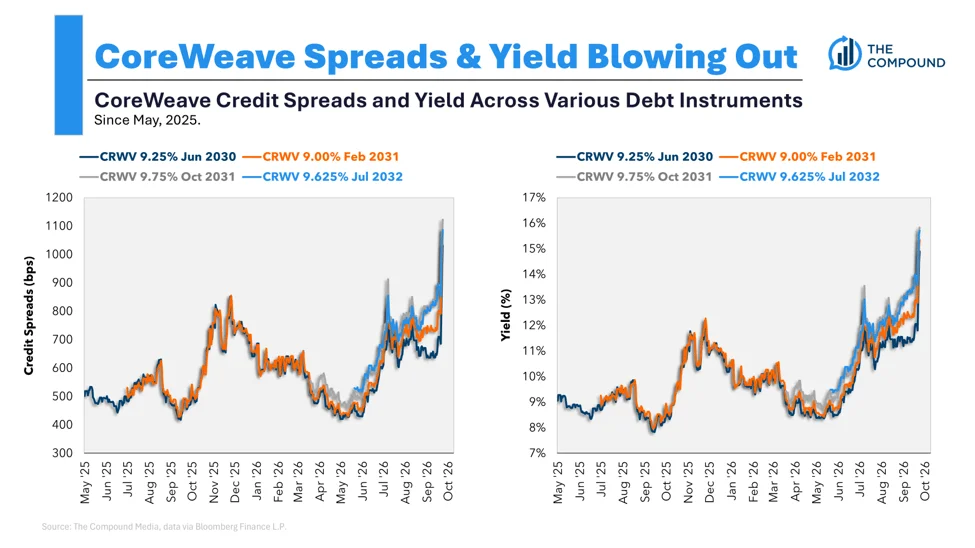
One notable case involves CoreWeave, which is reportedly seeking ‘unlimited’ financing to expand its AI infrastructure significantly. The firm’s ambition highlights a shift in how technology companies are approaching funding. Traditionally conservative sectors, such as insurance, are increasingly being drawn to the potential returns on AI investments, further amplifying the capital flow—and associated risks—into the technology.

Historical Context: Lessons from the 2008 Crisis
Market participants are rightfully nervous when considering parallels with the 2008 financial crisis, where overly optimistic assumptions about housing and mortgage-backed securities led to systemic failures. The current AI investment landscape may contain similar pitfalls. The emphasis on rapid scale and ambition without robust risk assessment could yield significant consequences.
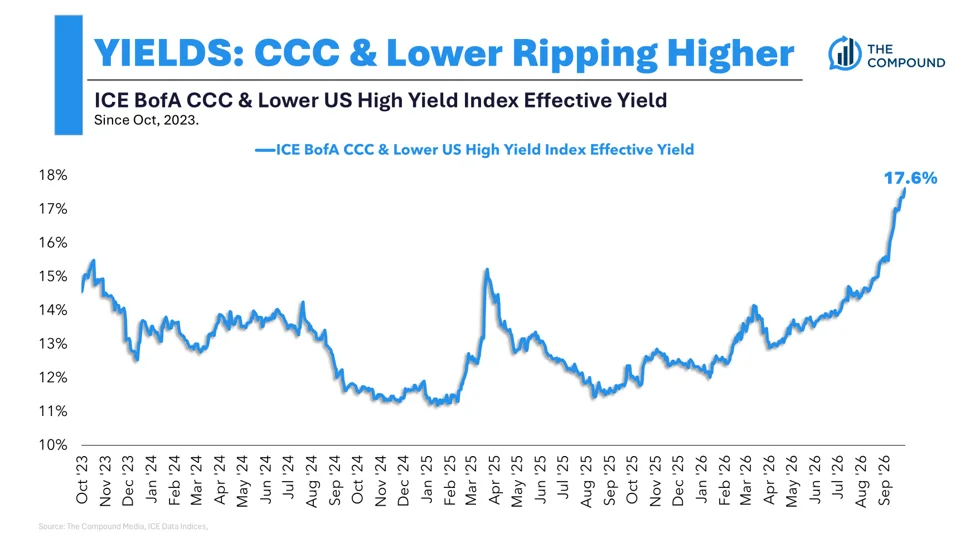
For example, many AI firms are currently heavily investing in capabilities without clear pathways to profitability. This speculative nature raises questions about sustainability and long-term viability, especially in an economic environment where interest rates are set to persist at higher levels.

Components of Risk in AI Investments
Several risk factors could substantially affect the AI investment landscape moving forward:

- Excessive Valuations: Companies are trading at historically high multiples, often based on future growth prospects that may not materialize. This presents a danger of substantial capital destruction if earnings do not meet inflated expectations.
- Regulatory Scrutiny: As AI technologies evolve, they may attract increased regulatory scrutiny aimed at consumer protection and market stability. Unfavorable regulations could stifle innovation and profitability.
- Market Saturation: The rapid entry of new players into the AI space could lead to overcrowding, thus triggering a price war which would compress margins and profits.
- Technological Disruptions: The AI sector is highly dynamic; therefore, companies that currently lead the market can quickly be displaced by new innovations or competitive models.
Stakeholders and Impact Assessment
Understanding who stands to be affected by the AI investment boom is crucial:

- Shareholders: Investors in AI companies may see significant returns if growth projections are realized, but they also face heightened risks from market volatility and potential corrections.
- Customers: Enterprises adopting AI solutions may benefit from enhanced efficiencies but must remain vigilant against potential disruptions in the labor market due to automation.
- Employees: Workforce reallocations and layoffs in traditional sectors could lead to increased unemployment rates, making economic stability precarious.
- Borrowers: Increased borrowing costs from higher interest rates may inhibit companies' ability to fund growth prospects in a capital-intensive sector like AI.
Looking Ahead: Market Implications
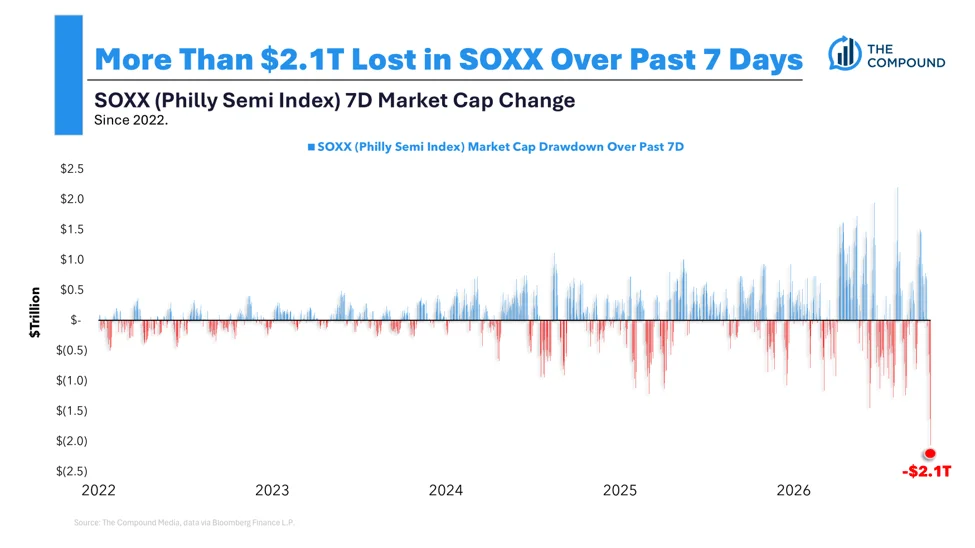
The future landscape for AI investments remains uncertain. Expert opinions, including those from analysts like Jefferies' Chris Wood, emphasize the risk of ‘massive capital destruction’ if the fervor around AI does not translate into sustainable business practices. Stock market adjustments could manifest rapidly if signs of overvaluation emerge, as was witnessed in prior bubble scenarios.

Ultimately, the intersection of technology advancement and financial risk management will define the trajectory of AI investments. The ongoing speculative environment underscores the need for a balanced approach: investors must weigh the promise of innovation against the inherent risks of a rapidly changing market landscape. The coming months will be crucial as these dynamics play out.